
Google Pixel 8 Pro vs iPhone SE (2020)

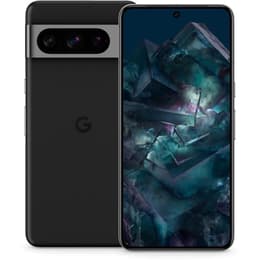
Google Pixel 8 Pro
Google Pixel 8 Pro
Starting at

Refurbished price:A$565.00

Versus A$1,859.00 new

See options
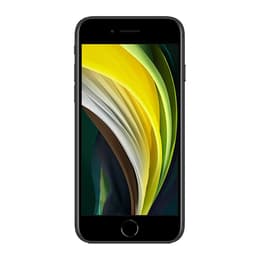
iPhone SE (2020)
iPhone SE (2020)
Starting at

Refurbished price:A$108.00

Versus A$529.00 new

See options

Ratings

The Google Pixel 8 Pro, released in October 2023, and the iPhone SE 2020, launched in April 2020, represent distinct approaches to smartphone design and functionality. While the Pixel 8 Pro offers a modern flagship experience with advanced features and a large display, the iPhone SE 2020 provides a compact form factor with a classic design. These devices operate on different ecosystems, with the Pixel 8 Pro running Android and the iPhone SE 2020 utilizing iOS.

Scores

Durability

The longevity and support for these two smartphones differ significantly due to their release timelines and manufacturer policies.

  • Release Timeline and OS Support: The Google Pixel 8 Pro, being a more recent device, benefits from an extended software support commitment, with Google promising seven years of Android OS upgrades, security updates, and feature drops, extending its support until 2030. In contrast, the iPhone SE 2020, released several years prior, has received updates up to iOS 26.4 as of March 2026, and is nearing the typical end of its major iOS update cycle.
  • Repairability: The iPhone SE 2020 generally receives a moderate repairability score, with some components being modular and relatively straightforward to access for repairs, particularly the display and battery. The Pixel 8 Pro's repairability is considered lower by some assessments, partly due to the use of strong adhesives and soldered components, making certain repairs more challenging.
  • Expected Practical Lifespan: Users prioritizing the longest possible software support and access to the latest operating system features will find the Pixel 8 Pro offers a considerably longer practical lifespan. The iPhone SE 2020, while still functional, will see its software support diminish sooner.

Release year

2023

2020

Compatible with latest Update

Yes

Yes

Foldable

No

No

Performance

Performance capabilities and battery behavior vary between these two devices, reflecting their different generations and design philosophies.

  • Storage and Multitasking: The Pixel 8 Pro offers a range of storage options, including 128GB, 256GB, 512GB, and a 1TB option in some regions, paired with 12GB of RAM. This ample RAM supports demanding applications and extensive multitasking. The iPhone SE 2020 comes with 64GB, 128GB, or 256GB of storage and 3GB of RAM. While its RAM is less, iOS is optimized to run efficiently with its hardware.
  • Processor Capabilities: The Pixel 8 Pro is equipped with a current-generation processor designed for advanced AI and machine learning tasks, ensuring fast performance and efficient handling of complex operations. Users generally report smooth operation for most daily tasks, though some note occasional performance dips with power-intensive games. The iPhone SE 2020 features a powerful chip from a few generations prior, which provided leading performance at its release and continues to handle demanding apps and multitasking effectively.
  • Battery Behavior: The Pixel 8 Pro houses a 5050 mAh battery, designed to provide extended usage beyond a full day for many users. User experiences suggest solid battery life for moderate use, though some indicate it might not match the longevity of its direct predecessor. The iPhone SE 2020 has an 1821 mAh battery, and user feedback often points to a need for more frequent charging, especially for heavy users, to last through a full day.

Memory (GB)

12 GB

3 GB

Screen quality

The visual experience offered by these smartphones differs significantly due to their display technologies and specifications.

  • Display Technology and Resolution: The Google Pixel 8 Pro features a 6.7-inch OLED Super Actua display with a high resolution of 2992x1344 pixels, resulting in a sharp pixel density of 489 ppi. This OLED technology delivers deep blacks and vibrant colors. The iPhone SE 2020 utilizes a 4.7-inch IPS LCD Retina HD display with a resolution of 1334x750 pixels and a pixel density of 326 ppi. LCD technology provides good color reproduction but does not achieve the same contrast levels as OLED.
  • Brightness and Refresh Rate: The Pixel 8 Pro's display is notably brighter, with a peak brightness that can reach up to 2000 nits, enhancing visibility in bright outdoor conditions. It also boasts a variable refresh rate ranging from 1Hz to 120Hz, contributing to smoother scrolling and animations while optimizing power consumption. The iPhone SE 2020 has a peak brightness of 625 nits and a standard 60Hz refresh rate.
  • Screen Size and Viewing Experience: With its larger 6.7-inch display, the Pixel 8 Pro offers an expansive viewing experience suitable for media consumption and multitasking. The iPhone SE 2020's 4.7-inch screen provides a more compact and easily manageable device for one-handed use.

Resolution

1344 x 2992

750 x 1334

Screen type

LTPO OLED

Retina IPS LCD

Audiovisual

The camera systems of the Pixel 8 Pro and iPhone SE 2020 cater to different photographic needs and expectations.

  • Camera System Configuration: The Google Pixel 8 Pro is equipped with a versatile triple rear camera setup, including a 50MP main sensor, a 48MP ultrawide lens, and a 48MP telephoto lens with 5x optical zoom. Its front-facing camera is 10.5MP. The iPhone SE 2020 features a single 12MP wide-angle rear camera and a 7MP front camera.
  • Photography Performance: The Pixel 8 Pro leverages advanced computational photography and AI enhancements to deliver high-quality images across various lighting conditions, including strong low-light performance and consistent color reproduction. The iPhone SE 2020, while having a single lens, benefits from its powerful processor for image processing, producing impressive photos in good lighting. However, it lacks features like Night Mode and the versatility of multiple lenses.
  • Video Recording and Audio: Both devices support 4K video recording at up to 60 frames per second. The Pixel 8 Pro offers advanced video features and stabilization, contributing to smooth footage. The iPhone SE 2020 also includes optical image stabilization for video and records stereo sound. The Pixel 8 Pro is noted for clear calls and high-quality video conferencing.

Main camera

50 megapixels

12 megapixels

Front camera

10.5 megapixels

7 megapixels

Miscellaneous

Beyond core features, several practical elements distinguish the Google Pixel 8 Pro and the iPhone SE 2020.

  • Connectivity Options: The Pixel 8 Pro supports 5G cellular networks, Wi-Fi 6E (802.11ax), and Bluetooth 5.3, along with NFC. It also offers dual SIM capabilities through a physical SIM and an eSIM. The iPhone SE 2020 supports Gigabit-class LTE (4G), Wi-Fi 6 (802.11ax), and Bluetooth 5.0, also with NFC. It also supports dual SIM (physical SIM + eSIM).
  • Ports and Biometrics: The Pixel 8 Pro utilizes a USB-C port for charging and data transfer. It incorporates an under-display fingerprint scanner and Face Unlock for secure authentication. The iPhone SE 2020 features a Lightning port and relies on Touch ID, a fingerprint sensor integrated into its physical home button. Neither device includes a traditional 3.5mm headphone jack.
  • Design and Durability Features: The Pixel 8 Pro has a matte glass back and a polished aluminum frame, with an IP68 rating for dust and water resistance. It also includes a unique temperature sensor. The iPhone SE 2020 features a glass back and an aluminum frame, carrying an IP67 rating for dust and water resistance. The iPhone SE 2020 is significantly smaller and lighter, measuring 138.4 x 67.3 x 7.3mm and weighing 148g, compared to the Pixel 8 Pro's 162.6 x 76.5 x 8.8mm and 213g.

Weight

213 oz

148 oz

Screen size (in)

6.7

4.7

Network

5G

4G

SIM card

Physical SIM + eSIM

Physical SIM + eSIM

Carrier compatibility

Unlocked

Unlocked

User sentiment for the Google Pixel 8 Pro often highlights its exceptional camera capabilities, the promise of long-term software support, its bright and expansive display, and the integration of advanced AI features. Some common concerns include its battery life, which some users find shorter than its predecessor, and occasional reports of inconsistent cellular connectivity or performance with very demanding games.

The iPhone SE 2020 is frequently praised for its compact size, its fast performance for a device of its generation, and its capable camera in well-lit conditions. Criticisms often revolve around its battery life, which many users find insufficient for a full day of heavy use, its dated design with prominent bezels, and its LCD display not offering the same vibrancy as more modern OLED screens. The absence of a Night Mode in its camera is also a frequent point of discussion.

Users prioritizing a cutting-edge camera system, a large and vibrant display, the latest connectivity standards like 5G, and a device with a guaranteed long software support window may find the Google Pixel 8 Pro well-suited to their needs. Conversely, individuals who prefer a smaller, more pocketable device, appreciate a classic design with a physical home button, and require a capable smartphone for everyday tasks without needing the absolute latest features, might lean towards the iPhone SE 2020. Both models are available as quality-assured refurbished options, providing an eco-friendly alternative for consumers.


See all articles

Our recent comparisons