
iPhone 13 Pro Max vs Motorola Moto G14

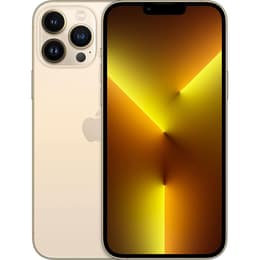
iPhone 13 Pro Max
iPhone 13 Pro Max
Starting at

Refurbished price:A$581.00

Versus A$1,689.00 new

See options
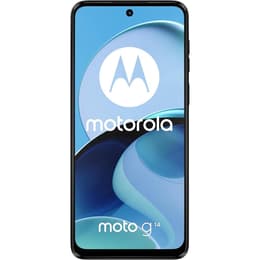
Motorola Moto G14
Motorola Moto G14
Starting at

Refurbished price:A$182.00

Versus A$271.00 new

See options

Ratings

The iPhone 13 Pro Max, released in September 2021, and the Motorola Moto G14, launched in August 2023, represent distinct approaches to smartphone design and functionality. While the iPhone 13 Pro Max was a flagship device known for its advanced camera system and powerful performance, the Moto G14 focuses on delivering essential smartphone features in a more accessible package. Both devices operate on different software ecosystems, with the iPhone running iOS and the Moto G14 utilizing Android.

Scores

Durability

The practical lifespan of a smartphone is influenced by its release date, software support, and physical durability.

  • Release Timeline: The iPhone 13 Pro Max was released in September 2021 and was discontinued in September 2022, making it an older model. The Motorola Moto G14 was released in August 2023, making it a more recent device.
  • Software Longevity: The iPhone 13 Pro Max typically receives iOS updates for approximately 5-6 years from its release, potentially extending its usability until around 2026-2027. The Moto G14 launched with Android 13 and is promised one major OS upgrade to Android 14, along with three years of bi-monthly security updates.
  • Repairability: The Moto G14's repairability score is noted as 5.0 out of 10, with the use of adhesive for the back cover and battery making disassembly challenging. Information on the iPhone 13 Pro Max's repairability was not readily available in the search results, but iPhones generally have a moderate repairability due to proprietary parts and design.

Release year

2021

2023

Compatible with latest Update

Yes

Yes

Operating system

iOS

Android

Foldable

No

No

Performance

Performance in daily use, including app handling and battery endurance, varies between these two devices.

  • Storage Options: The iPhone 13 Pro Max offers a range of storage capacities, including 128GB, 256GB, 512GB, and a 1TB option, providing ample space for various user needs. The Moto G14 typically comes with 128GB of internal storage, expandable up to 1TB via a microSD card.
  • Battery Behavior: The iPhone 13 Pro Max is recognized for its exceptional battery life, often lasting up to two days with moderate to heavy use, attributed to its large 4352mAh battery and efficient display technology. The Moto G14 features a 5000mAh battery, which generally provides a full day of use, and for lighter users, it can extend into a second day.
  • Processor Capabilities: The iPhone 13 Pro Max delivers smooth and responsive performance, handling demanding applications and multitasking with ease, making it suitable for intensive tasks like gaming and video editing. The Moto G14's processor is capable of handling everyday tasks, including social media, web browsing, and casual gaming, though it may experience some slowdown with more resource-intensive applications.

Memory (GB)

6 GB

4 GB

Screen quality

The visual experience is significantly shaped by the display technology and specifications of each device.

  • Display Technology: The iPhone 13 Pro Max features a 6.7-inch Super Retina XDR OLED display with ProMotion technology, offering deep blacks, vibrant colors, and high contrast. The Moto G14 has a 6.5-inch Full HD+ IPS LCD screen.
  • Resolution and Clarity: The iPhone 13 Pro Max provides a resolution of 2778 by 1284 pixels at 458 pixels per inch (ppi), resulting in sharp and detailed visuals. The Moto G14 offers a resolution of 2400 x 1080 pixels at approximately 405 ppi, delivering clear images for its class.
  • Brightness and Refresh Rate: The iPhone 13 Pro Max boasts a typical maximum brightness of 1000 nits, peaking at 1200 nits for HDR content, and an adaptive refresh rate from 10Hz to 120Hz, ensuring smooth scrolling and excellent outdoor visibility. The Moto G14 has a standard 60Hz refresh rate, which is suitable for general use, and its brightness is adequate for most indoor and outdoor conditions.

Resolution

1284 x 2778

1080 x 2400

Screen type

Super Retina XDR OLED

IPS LCD

Audiovisual

Camera capabilities differ in terms of hardware, features, and overall image and video quality.

  • Camera System: The iPhone 13 Pro Max features a triple-camera system on the rear, including a 12MP wide, 12MP ultra-wide, and 12MP telephoto lens, offering 3x optical zoom and macro photography. The Moto G14 has a dual-camera setup with a 50MP primary sensor and a 2MP macro lens.
  • Photography Performance: The iPhone 13 Pro Max excels in various lighting conditions, offering improved low-light performance, detailed macro shots, and advanced computational photography features like Photographic Styles and Cinematic mode for video. The Moto G14's 50MP main camera performs well in optimal daylight, producing detailed and sharp images, though low-light performance can be challenging.
  • Video Recording: The iPhone 13 Pro Max supports 4K video recording at up to 60 frames per second (fps) and includes ProRes video recording for professional workflows. The Moto G14 records video at 1080p at 30fps from both its front and rear cameras.

Main camera

12 megapixels

50 megapixels

Front camera

12 megapixels

8 megapixels

Miscellaneous

Beyond core features, several practical elements contribute to the overall user experience.

  • Connectivity: The iPhone 13 Pro Max supports 5G connectivity, offering faster mobile data speeds. The Moto G14 supports 4G LTE networks but does not include 5G capabilities. Both devices support Wi-Fi 5 (802.11ac) and Bluetooth.
  • Ports and Sensors: The iPhone 13 Pro Max uses a Lightning port for charging and data transfer, and features Face ID for biometric authentication. The Moto G14 includes a USB-C port, a 3.5mm headphone jack, and a side-mounted fingerprint sensor for security.
  • Build and Handling: The iPhone 13 Pro Max has a premium build with a stainless steel frame and Ceramic Shield front cover, weighing 240 grams. The Moto G14 features a plastic frame and a back made of acrylic glass, weighing 177 grams, and has an IP52 rating for splash resistance.

Weight

238 oz

177 oz

Screen size (in)

6.7

6.5

Network

5G

4G

SIM card

Physical SIM + eSIM

Dual Physical SIM

Carrier compatibility

Unlocked

Unlocked

Connector

Lightning

USB-C + Jack 3.5mm

User sentiment for the iPhone 13 Pro Max often highlights its exceptional battery life, vibrant display with ProMotion, and advanced camera system as major strengths. Many users appreciate its robust performance for demanding applications and its overall premium feel. Common criticisms sometimes revolve around its size and weight, which some find cumbersome for one-handed use.

For the Motorola Moto G14, users frequently praise its long-lasting battery, clear Full HD+ display, and the inclusion of stereo speakers with Dolby Atmos, which are notable features for its category. Some users note that its camera performance is adequate in good lighting but can struggle in low-light conditions, and its processor is best suited for everyday tasks rather than intensive gaming. The single major OS update policy is also a point of consideration for some.

Users prioritizing a top-tier camera experience, powerful performance for intensive tasks, and extended software support may find the iPhone 13 Pro Max well-suited to their needs. Its superior display technology and longer battery life also cater to those who consume a lot of media or require a device that can last through heavy usage. Conversely, users seeking a reliable smartphone for daily communication, media consumption, and casual photography, with a focus on battery endurance and a more accessible price point, might lean towards the Motorola Moto G14. Its expandable storage and traditional headphone jack also appeal to certain user preferences. Both devices, especially the iPhone 13 Pro Max, are available as quality-assured refurbished options, providing an eco-friendly alternative for consumers.
See all articles

Our recent comparisons