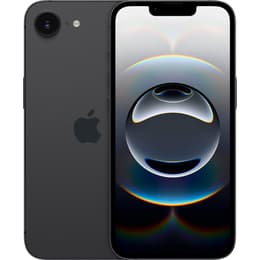
Google Pixel 8 vs iPhone 16e

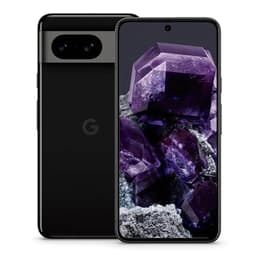
Google Pixel 8
Google Pixel 8
Starting at

Refurbished price:A$463.00

Versus A$1,245.00 new

See options
iPhone 16e
iPhone 16e
Starting at

Refurbished price:A$794.00

Versus A$999.00 new

See options

Ratings

The Google Pixel 8, released in October 2023, is a compact Android smartphone known for its advanced computational photography and artificial intelligence features. The iPhone 16E, an anticipated model from Apple expected in 2026, is likely to follow Apple's pattern of offering a more accessible device within its flagship line. While the Pixel 8 runs on Google's Android operating system, the iPhone 16E will operate on Apple's iOS, providing distinct user experiences and software ecosystems.

Scores

Durability

When considering the long-term usability of a smartphone, software support and physical resilience are key factors.

  • Software Longevity: The Google Pixel 8 stands out with an impressive commitment to seven years of OS and security updates, extending its support until at least October 2030. This ensures a prolonged period of access to the latest Android features and security patches. The iPhone 16E, following Apple's typical support cycles, is expected to receive major iOS updates for approximately five to seven years from its release, offering substantial software longevity within the Apple ecosystem.
  • Physical Durability: The Pixel 8 features Corning Gorilla Glass Victus for screen protection and a glass back with an aluminum frame. User reports indicate that while the build quality is solid, some instances of paint chipping have been noted with minor drops. The iPhone 16E is expected to feature a durable glass front and back, likely with an aluminum frame, consistent with Apple's design language for its more accessible models.
  • Repairability: Both devices are designed with modern smartphone construction, which can present challenges for user-level repairs. Official repair options and parts availability are typically provided by both manufacturers, supporting the practical lifespan of the devices.

Performance

Performance in daily use is influenced by a combination of processing power, memory, and battery optimization.

  • Processing Capabilities: The Google Pixel 8 is powered by Google's Tensor G3 processor, which enables smooth handling of demanding applications, efficient multitasking, and advanced on-device AI features. Users generally report a responsive experience for everyday tasks and gaming, though some have noted the device can become warm during intensive use. The iPhone 16E is expected to feature a powerful A-series chip, likely a variant of the A17 Bionic or A18, which is known for its robust performance in graphics-intensive applications and overall system fluidity.
  • Multitasking and Storage: The Pixel 8 typically comes with 8GB of RAM, providing ample capacity for running multiple applications simultaneously without significant slowdowns. Storage options include 128GB and 256GB. The iPhone 16E is rumored to feature 6GB or 8GB of RAM, which, combined with iOS's efficient memory management, should deliver a smooth multitasking experience. Base storage is expected to be 128GB, with higher options available.
  • Battery Behavior: The Pixel 8, with its 4575 mAh battery, generally offers adequate battery life, lasting a full day for most moderate users (around 8-10 hours of screen-on time). Heavy users might find themselves needing a charge before the day ends. The iPhone 16E, following the pattern of Apple's more compact models, is expected to have a battery that provides a full day of use for average tasks, though it may not match the endurance of larger flagship devices.

Memory (GB)

8 GB

8 GB

Screen quality

The visual experience on a smartphone is largely defined by its display technology, clarity, and responsiveness.

  • Display Technology and Clarity: The Google Pixel 8 features a 6.2-inch OLED display with a Full HD+ resolution (2400x1080 pixels), resulting in sharp images and text. Its OLED panel provides deep blacks and vibrant colors. The iPhone 16E is anticipated to feature a high-quality display. While previous accessible iPhone models used LCD technology, rumors suggest Apple may transition all its iPhones to OLED by 2025, meaning the 16E could feature an OLED panel, offering improved contrast and color accuracy compared to older LCDs.
  • Brightness and Refresh Rate: The Pixel 8's display offers a peak brightness of up to 2000 nits, ensuring good visibility even in bright outdoor conditions. It also boasts a variable refresh rate of 60-120Hz, contributing to smoother scrolling and a more fluid user interface. The iPhone 16E is likely to offer sufficient brightness for outdoor use and is expected to feature a standard 60Hz or potentially a 90Hz refresh rate, providing a smooth experience for general navigation.
  • Screen Size and Viewing: The Pixel 8's 6.2-inch screen offers a comfortable viewing area for media consumption and daily tasks, balancing immersion with single-handed usability. The iPhone 16E is expected to maintain a more compact form factor, potentially with a screen size similar to or slightly larger than previous accessible iPhone models, which would appeal to users preferring a smaller device.

Audiovisual

Both devices offer capable camera systems, but they approach photography with different strengths and features.

  • Rear Camera System: The Google Pixel 8 is equipped with a dual-camera setup, including a 50MP main sensor with a wide aperture and optical image stabilization, alongside a 12MP ultrawide camera that includes autofocus and a macro mode. It is highly regarded for its computational photography, producing detailed images with accurate colors and strong low-light performance. The iPhone 16E is expected to feature a capable single main camera, likely a 12MP sensor, leveraging Apple's advanced image processing for high-quality photos in various conditions. It may not include a dedicated ultrawide or telephoto lens, focusing instead on optimizing the primary camera's performance.
  • Photography Features: The Pixel 8 includes advanced AI-driven features like 'Best Take' for group photos, 'Magic Editor' for object manipulation, and enhanced low-light capabilities through Night Sight. Its ultrawide camera also supports macro photography. The iPhone 16E will likely offer features such as Portrait Mode with Depth Control, Smart HDR, and Photographic Styles, relying on its powerful processor for image enhancements.
  • Video Recording and Front Camera: The Pixel 8 supports 4K video recording at up to 60 frames per second from its main camera, with various stabilization options. It has a 10.5MP front-facing camera with fixed focus. The iPhone 16E is expected to offer 4K video recording capabilities and a high-quality front camera suitable for video calls and selfies, likely with features like Cinematic video stabilization.

Miscellaneous

Beyond core features, connectivity, design, and security elements contribute to the overall user experience.

  • Connectivity and Ports: The Google Pixel 8 supports 5G cellular networks, modern Wi-Fi standards, and Bluetooth for wireless connections. It features a USB-C port for charging and data transfer. The iPhone 16E is expected to offer comprehensive connectivity, including 5G and the latest Wi-Fi and Bluetooth standards. Following recent Apple trends, it will likely feature a USB-C port.
  • Biometric Security: The Pixel 8 incorporates an under-display fingerprint sensor and face unlock for secure access. The iPhone 16E, moving towards a more modern design, is anticipated to feature Face ID for biometric authentication, consistent with Apple's current lineup.
  • Design and Handling: The Pixel 8 has a refined, rounded design with dimensions of 150.5 x 70.8 x 8.9 mm and a weight of 187g, making it comfortable to hold and use with one hand. The iPhone 16E is expected to maintain a compact and ergonomic design, appealing to users who prefer a smaller, more manageable device. Its build materials are likely to include glass and aluminum, offering a balance of aesthetics and durability.

Screen size (in)

6.2

6.1

Network

5G

5G

SIM card

Physical SIM + eSIM

Physical SIM + eSIM

Carrier compatibility

Unlocked

Unlocked

Choosing between the Google Pixel 8 and the anticipated iPhone 16E involves weighing distinct priorities in software, camera capabilities, and overall user experience. The Pixel 8, released in late 2023, offers a compelling package for users who prioritize advanced computational photography, a long-term software update commitment, and a pure Android experience with deep AI integration. Its Tensor G3 processor handles demanding tasks efficiently, and its OLED display provides a vibrant visual experience. However, some users have noted its battery life, while adequate for a day, is not exceptional, and there have been isolated reports regarding physical durability concerns.

The iPhone 16E, expected in 2026, is likely to appeal to users seeking a compact, reliable smartphone within the Apple ecosystem. It will offer robust performance with an A-series chip, excellent software longevity, and a streamlined iOS experience. While its camera system is expected to be highly capable for everyday photography, it may not feature the same versatility or advanced AI-driven photo manipulation tools as the Pixel 8. Its battery life is anticipated to be sufficient for daily use, aligning with previous accessible iPhone models.

Users prioritizing cutting-edge camera features, extensive AI capabilities, and a longer software support window within the Android ecosystem may find the Google Pixel 8 well-suited to their needs. Conversely, individuals who value a compact form factor, the intuitive iOS experience, and strong, consistent performance for core smartphone functions will likely lean towards the iPhone 16E. Both devices represent quality options in their respective categories, and for those looking for an eco-friendly alternative, considering a quality-assured refurbished option for either model can be a sustainable choice.
See all articles

Our recent comparisons