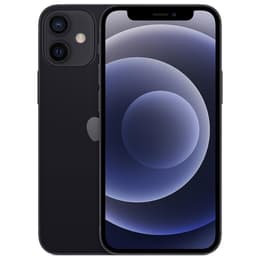

Galaxy S21+ 5G vs iPhone 12 mini

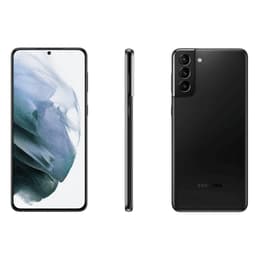
Galaxy S21+ 5G
Galaxy S21+ 5G
Starting at

Refurbished price:A$348.00

Versus A$2,005.00 new

See options
iPhone 12 mini
iPhone 12 mini
Starting at

Refurbished price:A$278.00

Versus A$929.00 new

See options

Ratings

The Samsung Galaxy S21 Plus 5G, released in January 2021, and the Apple iPhone 12 Mini, launched in November 2020, represent distinct approaches to smartphone design and functionality. While both offer 5G connectivity and capable camera systems, they cater to different user preferences, primarily distinguished by their size and operating system ecosystems.

The Galaxy S21 Plus operates on the Android platform, offering a customizable experience, whereas the iPhone 12 Mini runs on iOS, known for its integrated ecosystem and streamlined interface. These core differences influence everything from user interaction to app availability and device longevity.

Scores

Durability

When considering the practical lifespan of these devices, their release timelines and software support play a significant role.

  • Release Timeline: The iPhone 12 Mini was released in November 2020, making it slightly older than the Galaxy S21 Plus 5G, which launched in January 2021. This difference of a few months can impact the total duration of software support.
  • OS Support Duration: Apple typically provides iOS updates for its devices for approximately 5-6 years from their release. The iPhone 12 Mini, having launched with iOS 14, is compatible with iOS 18 (released in September 2024) and is expected to support iOS 26 (2025's release). Samsung generally offers several years of Android OS updates and security patches for its flagship devices, with the Galaxy S21 Plus 5G launching with Android 11 and being upgradable to Android 14.
  • Repairability and Build: Both devices feature robust builds. The iPhone 12 Mini incorporates Ceramic Shield for enhanced drop performance on the front glass, while the back retains strengthened glass. The Galaxy S21 Plus 5G features Corning Gorilla Glass Victus on both the front and back, offering durability. Both devices carry an IP68 rating for dust and water resistance, indicating protection against immersion in water up to 6 meters for 30 minutes for the iPhone and up to 1.5 meters for 30 minutes for the Galaxy.

Release year

2021

2020

Compatible with latest Update

Yes

Yes

Operating system

Android

iOS

Foldable

No

No

Performance

The performance of a smartphone is crucial for daily tasks, from navigating apps to engaging in demanding activities like gaming.

  • Processor Capabilities: The iPhone 12 Mini is equipped with a processor that handles demanding applications and multitasking smoothly, ensuring a responsive user experience. The Galaxy S21 Plus 5G features a powerful current-generation processor, providing robust performance for complex tasks, intensive gaming, and efficient multitasking.
  • System Responsiveness: Both devices offer high levels of system responsiveness, allowing for quick app launches and fluid navigation. Users of the iPhone 12 Mini report no lag when playing graphics-intensive games or recording 4K video. The Galaxy S21 Plus 5G's processor ensures that the device remains fast and efficient even under heavy load.
  • Storage Options: The iPhone 12 Mini is available with 64GB, 128GB, or 256GB of internal storage. The Galaxy S21 Plus 5G offers 128GB or 256GB internal storage options, providing ample space for applications, media, and files.
  • Battery Behavior: The iPhone 12 Mini, due to its compact size, has a smaller battery capacity, which typically translates to more frequent charging for heavy users. It can last a full day with moderate use, but intensive use may require recharging earlier. The Galaxy S21 Plus 5G is equipped with a larger battery, generally offering extended usage times for most users throughout a busy day.

Memory (GB)

8 GB

4 GB

Screen quality

The display is a primary interface for smartphone interaction, and both devices offer high-quality viewing experiences with distinct characteristics.

  • Display Technology and Clarity: The iPhone 12 Mini features a 5.4-inch Super Retina XDR OLED display, providing deep blacks, vibrant colors, and sharp text with a resolution of 2340 x 1080 pixels and a pixel density of approximately 476 ppi. The Galaxy S21 Plus 5G boasts a larger 6.7-inch Dynamic AMOLED 2X display with a resolution of 2400 x 1080 pixels and a pixel density of around 394 ppi, also delivering vivid colors and strong contrast.
  • Brightness and Refresh Rate: The iPhone 12 Mini offers a typical brightness of 625 nits, peaking at 1200 nits for HDR content, and has a standard 60Hz refresh rate. The Galaxy S21 Plus 5G features an adaptive 120Hz refresh rate, which provides smoother scrolling and animations, and can reach a peak brightness of 1300 nits, enhancing visibility in bright conditions.
  • Screen Size and Viewing Experience: The iPhone 12 Mini's compact 5.4-inch screen is designed for one-handed use and portability, offering a full-screen experience in a small form factor. The Galaxy S21 Plus 5G's 6.7-inch display provides a more expansive viewing area, which is beneficial for media consumption, gaming, and multitasking.

Resolution

1080 x 2400

1080 x 2340

Screen type

Dynamic AMOLED 2X

Super Retina XDR OLED

Audiovisual

Both smartphones offer advanced camera systems capable of capturing high-quality photos and videos, though with some differences in their configurations and features.

  • Rear Camera System: The iPhone 12 Mini features a dual 12-megapixel camera system on the rear, comprising a wide and an ultrawide lens. It includes optical image stabilization for the wide lens and offers Night mode across all cameras. The Galaxy S21 Plus 5G comes with a triple camera setup, including a 12-megapixel wide lens, a 64-megapixel telephoto lens with hybrid optic zoom, and a 12-megapixel ultrawide lens. It also features optical image stabilization and advanced zoom capabilities.
  • Photography Performance: The iPhone 12 Mini excels in capturing detailed and vibrant photos, with improved low-light performance and effective Night mode. The Galaxy S21 Plus 5G delivers sharp images with good dynamic range, and its telephoto lens provides versatility for capturing distant subjects.
  • Video Recording Quality: Both devices support 4K video recording at up to 60 frames per second. The iPhone 12 Mini can record HDR video with Dolby Vision at up to 4K at 30 fps, offering enhanced brightness and deeper shadows. The Galaxy S21 Plus 5G supports 8K video recording at 24fps and 4K at 30/60fps, along with HDR10+ video.
  • Front Camera: The iPhone 12 Mini has a 12-megapixel TrueDepth front camera with Night mode and HDR video recording. The Galaxy S21 Plus 5G features a 10-megapixel front camera with dual pixel autofocus.

Main camera

12 megapixels

12 megapixels

Front camera

10 megapixels

12 megapixels

Miscellaneous

Beyond core performance and display, several other features contribute to the overall user experience and device utility.

  • Connectivity: Both the Galaxy S21 Plus 5G and the iPhone 12 Mini support 5G connectivity, enabling faster download and upload speeds where available. They also support Wi-Fi 6 and Bluetooth 5.0 (iPhone 12 Mini) or 5.2 (Galaxy S21 Plus 5G) for robust wireless connections.
  • Port Types and Sensors: The iPhone 12 Mini uses a Lightning port for charging and data transfer, and features Face ID for secure biometric authentication. The Galaxy S21 Plus 5G utilizes a USB-C port and includes an in-display fingerprint sensor for biometric security, alongside face recognition. Neither device includes a traditional 3.5mm headphone jack.
  • Dimensions and Handling: The iPhone 12 Mini is notably compact and lightweight, measuring 131.5 x 64.2 x 7.4 mm and weighing 135 grams, making it ideal for one-handed use and easy pocketability. The Galaxy S21 Plus 5G is a larger device, measuring 161.5 x 75.6 x 7.8 mm and weighing 200-202 grams, offering a more substantial feel and larger screen real estate.
  • Build Materials: The iPhone 12 Mini features an aluminum frame with a glass back and Ceramic Shield front. The Galaxy S21 Plus 5G has an aluminum frame with Gorilla Glass Victus on both the front and back.

Weight

200 oz

133 oz

Screen size (in)

6.7

5.4

Network

5G

5G

SIM card

Physical SIM + eSIM

Physical SIM + eSIM

Carrier compatibility

Unlocked

Unlocked

The choice between the Samsung Galaxy S21 Plus 5G and the iPhone 12 Mini largely depends on individual priorities and preferred smartphone experience. Both devices offer strong performance and capable camera systems, but their fundamental differences cater to distinct user profiles.

Users frequently praise the iPhone 12 Mini for its compact form factor, which allows for comfortable one-handed use and easy portability, a feature increasingly rare in modern smartphones. Its performance is consistently noted as excellent, handling demanding tasks without issue. However, a common criticism revolves around its battery life, which, while adequate for moderate use, can be a limiting factor for heavy users.

The Galaxy S21 Plus 5G is often lauded for its expansive and vibrant display, offering an immersive experience for media consumption and gaming. Its larger battery capacity is generally well-received, providing reliable power throughout the day. The versatility of its camera system, particularly the inclusion of a telephoto lens, is also a frequent point of praise. Some users, however, might find its larger size less convenient for single-handed operation or pocketability.

Users prioritizing a highly portable device with a streamlined operating system and robust performance in a small package may find the iPhone 12 Mini well-suited to their needs. Conversely, those who value a larger display for media, extended battery life, and a more versatile camera system with advanced zoom capabilities, coupled with the flexibility of the Android ecosystem, might lean toward the Galaxy S21 Plus 5G.

For those seeking a quality-assured refurbished option, both models are available, offering a sustainable choice for consumers looking to extend the life cycle of electronic products.
See all articles

Our recent comparisons