iPhone 13 vs Motorola Razr 40

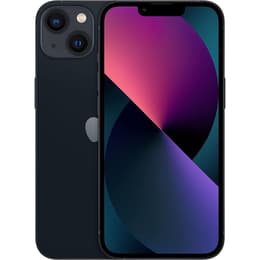
iPhone 13
iPhone 13
Starting at

Refurbished price:A$413.00

Versus A$1,099.00 new

See options
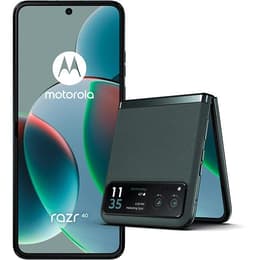
Motorola Razr 40
Motorola Razr 40
See options

Ratings

The iPhone 13, released in September 2021, is a traditional slab-style smartphone from Apple, known for its consistent performance and ecosystem. In contrast, the Motorola Razr 40, launched in June 2023, offers a distinct foldable clamshell design running on the Android operating system. These two devices cater to different user preferences, primarily differing in their form factor and software experience.

Scores

Durability

When considering the practical lifespan of these devices, several factors come into play, including their release timelines, software support, and physical durability.

  • Release Timeline: The iPhone 13 was released in September 2021, making it an older model compared to the Motorola Razr 40, which launched in June 2023. This difference in release year impacts the remaining period of official software support and the overall age of the device.
  • Software Longevity: Apple is known for providing extended software support for its devices, with the iPhone 13 expected to receive iOS updates for approximately five to six years from its release. The Motorola Razr 40, on the other hand, is expected to receive three major Android OS upgrades and four years of bi-monthly security updates. This means the iPhone 13 may offer a longer period of operating system updates.
  • Repairability and Durability: The iPhone 13 features a Ceramic Shield front cover and an IP68 rating for water and dust resistance, contributing to its overall durability. It received a repairability score of 5.5 out of 10 from iFixit, with some components being modular but requiring specific tools and care for screen replacements. The Motorola Razr 40, with its foldable design, has an IP52 water-repellent rating, offering splash resistance but not full submersion protection. Foldable phones generally present unique repair challenges due to their intricate hinge mechanisms and flexible displays, with earlier Razr models receiving low repairability scores. The Razr 40's repairability is rated at 4 out of 10, indicating that disassembly can be complex due to adhesive use and the need to access multiple components for repairs.

Release year

2021

2023

Compatible with latest Update

Yes

Yes

Operating system

iOS

Android

Foldable

No

Yes

Performance

The performance of a smartphone is crucial for daily tasks, from launching applications to managing multiple processes simultaneously.

  • Processing Power: The iPhone 13 is equipped with a powerful chip that handles demanding applications and multitasking smoothly, ensuring a responsive user experience. Users can expect consistent performance for gaming, video editing, and other intensive tasks. The Motorola Razr 40 features a processor designed to offer capable performance for everyday use and moderate gaming.
  • Multitasking and Responsiveness: Both devices are designed to offer fluid navigation and quick app loading. The iPhone 13's optimized software and hardware integration contribute to its consistent responsiveness, even with numerous apps open. The Razr 40, running on Android, provides a smooth experience for switching between applications and managing notifications, benefiting from its available RAM configurations.
  • Storage Options and Battery Behavior: The iPhone 13 is available with storage options up to 512 GB, providing ample space for apps, photos, and videos. It offers up to 19 hours of video playback. The Motorola Razr 40 comes with up to 256 GB of internal storage. Its battery capacity is designed to support a full day of typical usage, with some users reporting satisfactory battery life for a foldable device.

Memory (GB)

4 GB

8 GB

Screen quality

The display is a primary interface for smartphone interaction, and both devices offer distinct visual experiences.

  • Display Technology and Resolution: The iPhone 13 features a 6.1-inch Super Retina XDR OLED display, providing deep blacks, vibrant colors, and a resolution of 2532x1170 pixels at 460 ppi. The Motorola Razr 40 boasts a larger 6.9-inch foldable P-OLED main display with a resolution of 1080x2640 pixels, offering a flexible viewing area. Additionally, the Razr 40 includes a 1.5-inch external OLED display for quick information and notifications when folded.
  • Brightness and Refresh Rate: The iPhone 13's display offers a typical maximum brightness of 800 nits, peaking at 1200 nits for HDR content, and a standard 60Hz refresh rate. The Motorola Razr 40's main display features a higher 144Hz refresh rate, contributing to smoother scrolling and more fluid animations. Its external display has a 60Hz refresh rate and can reach up to 1000 nits peak brightness.
  • Viewing Experience: The iPhone 13 provides a consistent and high-quality viewing experience on its flat OLED panel, suitable for various media consumption. The Razr 40's foldable screen offers a unique, immersive experience when unfolded, while the external display adds convenience for checking notifications without opening the device.

Resolution

1170 x 2532

1080 x 2640

Screen type

Super Retina XDR OLED

Foldable LTPO AMOLED

Audiovisual

Camera capabilities are a significant consideration for many users, and both smartphones offer different approaches to photography and videography.

  • Rear Camera System: The iPhone 13 features a dual 12MP camera system, including a wide and an ultrawide lens. It incorporates sensor-shift optical image stabilization (OIS) on the main wide camera, enhancing low-light performance and image clarity. The Motorola Razr 40 comes with a 64MP main camera with OIS and a 13MP ultrawide camera, which also functions for macro shots.
  • Photography Performance: The iPhone 13 is praised for its detailed and well-balanced photos in good lighting, with improved low-light performance and features like Cinematic Mode for video. Users generally find its camera system reliable for everyday point-and-shoot photography. The Razr 40's main camera produces colorful and well-lit images in good conditions, though some users note that images can appear less sharp or dull in certain scenarios, particularly with HDR optimization.
  • Video Recording and Front Camera: Both devices support 4K video recording. The iPhone 13 can record 4K video at up to 60 frames per second (fps) and features a 12MP front-facing camera. The Motorola Razr 40 records 4K video at 30fps and includes a 32MP front-facing camera, which can also be used with the external display for selfies.

Main camera

12 megapixels

64 megapixels

Front camera

12 megapixels

32 megapixels

Miscellaneous

Beyond core features, several other aspects contribute to the overall user experience and practicality of these smartphones.

  • Connectivity and Ports: Both the iPhone 13 and Motorola Razr 40 support 5G connectivity, Wi-Fi 6, and Bluetooth for modern wireless communication. The iPhone 13 uses a Lightning port for charging and data transfer, while the Razr 40 features a USB-C port.
  • Biometrics and Sensors: The iPhone 13 relies on Face ID for secure authentication. The Motorola Razr 40 incorporates a side-mounted fingerprint sensor for unlocking and security. Both devices include a standard array of sensors like accelerometers, gyroscopes, and ambient light sensors.
  • Design and Handling: The iPhone 13 has a flat chassis with a glass front and back and an aluminum frame, weighing around 174 grams. Its dimensions make it comfortable for one-handed use. The Motorola Razr 40, with its foldable design, has different dimensions when open (170.8 x 74 x 7.4 mm) and closed (88.2 x 74 x 15.8 mm), weighing approximately 188.6 grams. Its vegan leather back provides grip and a distinct aesthetic.

Weight

173 oz

189 oz

Screen size (in)

6,1

6,9

Network

5G

5G

SIM card

Physical SIM + eSIM

Dual Physical SIM + eSIM

Carrier compatibility

Unlocked

Unlocked

The iPhone 13 and Motorola Razr 40 offer distinct smartphone experiences, each with its own set of strengths and considerations. User feedback often highlights the iPhone 13's consistent performance, reliable camera, and long-term software support as key advantages. Its traditional slab design is familiar and robust, appealing to those who prefer a straightforward and durable device. Some users, however, note its standard 60Hz display refresh rate as a point where it lags behind some competitors.

The Motorola Razr 40 is frequently praised for its innovative foldable form factor, which offers a compact size when closed and a large display when unfolded. The external screen is also a convenient feature for quick interactions. However, some users express concerns about the durability of foldable screens over time and the camera's performance in challenging lighting conditions. Motorola's software update policy, while improved, is still generally shorter than Apple's, which can be a factor for users prioritizing long-term OS support.

Users prioritizing a device with a proven track record of consistent performance, extended software longevity, and a highly capable camera system for both photos and videos may find the iPhone 13 well-suited to their needs. Its robust build and established ecosystem offer a reliable experience. Conversely, users who value a unique, compact form factor, a high refresh rate display, and the flexibility of a foldable screen, along with the Android operating system, may lean toward the Motorola Razr 40. This device is particularly appealing to those who appreciate innovative design and the convenience of a smaller footprint when not in use. Both devices, whether new or as quality-assured refurbished options, provide viable choices depending on individual priorities.

See all articles

Our recent comparisons