
iPhone
Compare models
Differences at a glance
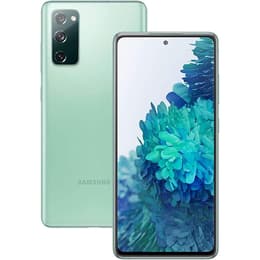
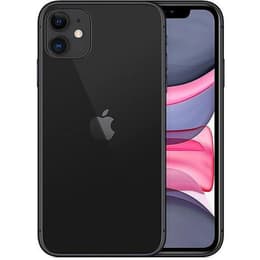
The iPhone 11, released in September 2019, and the Samsung Galaxy S20 FE (Fan Edition), launched in October 2020, represent two distinct approaches to flagship-level smartphones from their respective manufacturers. While the iPhone 11 offers Apple's ecosystem and a focus on streamlined performance, the Galaxy S20 FE provides a feature-rich Android experience with a versatile camera system and a high refresh rate display. Both devices aim to deliver a premium smartphone experience, but they cater to different user preferences through their hardware and software philosophies.
Colour
Storage
When considering the long-term usability of these devices, their release timelines and software support are key factors. The iPhone 11, being an Apple device, typically benefits from extended software updates, ensuring it remains compatible with the latest iOS features and security patches for a considerable period after its 2019 release. The Galaxy S20 FE, launched a year later in 2020, received a commitment of three major Android OS updates and five years of security patches from Samsung.
Release year
Compatible with latest Update
Operating system
Foldable
The performance of a smartphone is crucial for daily tasks, from navigating applications to engaging in demanding activities like gaming. Both the iPhone 11 and Galaxy S20 FE offer capable internal components designed to handle a variety of user needs.
The display is a primary interface for smartphone interaction, and both devices offer distinct visual experiences tailored to their respective ecosystems.
Resolution
Screen type
Both smartphones provide capable camera systems, but they differ in their configurations and photographic strengths, catering to various user preferences for capturing images and videos.
Main camera
Front camera
Beyond the core features, several practical elements contribute to the overall user experience and daily convenience of these smartphones.
Weight
Screen size (in)
Network
SIM card
Carrier compatibility
The iPhone 11 and Samsung Galaxy S20 FE each present compelling options, distinguished by their respective ecosystems and feature sets. User feedback often praises the iPhone 11 for its consistent performance, reliable camera, and long-term software support from Apple. Many users appreciate its intuitive operating system and the seamless integration within the Apple ecosystem. Criticisms sometimes point to its LCD display and standard 60Hz refresh rate, which some find less vibrant or smooth compared to newer technologies.
The Galaxy S20 FE is frequently lauded for its vibrant Super AMOLED display with a 120Hz refresh rate, offering a noticeably smoother visual experience. Its versatile triple camera system, including a telephoto lens, and expandable storage are also common points of praise. However, some users have noted concerns regarding battery life, particularly with certain processor variants, and the software support lifecycle has now concluded.
Users prioritizing a device with a longer software update lifespan and a highly integrated ecosystem may find the iPhone 11 well-suited to their needs. Those who value a high refresh rate display, a more versatile camera setup with optical zoom, and expandable storage might lean towards the Galaxy S20 FE. Both devices offer robust performance for everyday tasks, and choosing between them often comes down to a preference for iOS or Android, and the specific features that enhance individual usage patterns. For those seeking an eco-friendly and quality-assured alternative, both models are readily available as refurbished options.