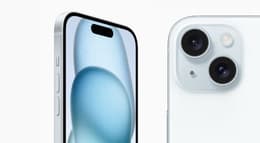
Galaxy S20 FE vs iPhone 8 Plus

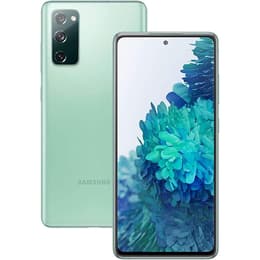
Galaxy S20 FE
Galaxy S20 FE
Starting at

Refurbished price:A$268.29

Versus A$578.00 new

See options
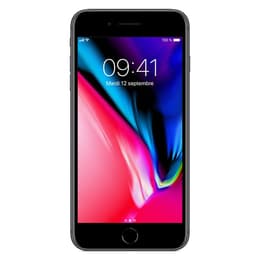
iPhone 8 Plus
iPhone 8 Plus
Starting at

Refurbished price:A$195.00

Versus A$629.00 new

See options

Ratings

The Samsung Galaxy S20 FE, released in October 2020, and the Apple iPhone 8 Plus, launched in September 2017, represent different eras and operating systems within the smartphone landscape. While the Galaxy S20 FE offers a more contemporary Android experience with a focus on display technology and camera versatility, the iPhone 8 Plus provides a classic iOS interface with a robust build and a capable dual-camera system. These devices cater to users with varying preferences for software ecosystems and hardware features.

Scores

Durability

When considering the long-term usability of these smartphones, their respective release timelines and software support policies are key factors.

  • Release and Age: The iPhone 8 Plus, released in September 2017, is significantly older than the Galaxy S20 FE, which launched in October 2020. This age difference directly impacts their current software support status and expected practical lifespan.
  • Software Longevity: The iPhone 8 Plus concluded its major iOS updates with iOS 16, meaning it no longer receives new feature updates, though it continues to receive important security patches. The Galaxy S20 FE, having launched later, received major Android updates for several years, but its software update lifecycle officially ended in October 2025, meaning it will no longer receive new security patches or Android updates.
  • Repairability: The Galaxy S20 FE has a repairability score of 7.5 out of 10, indicating it can be repaired with some effort, though certain components like the battery may require careful disassembly. Information on the iPhone 8 Plus's repairability suggests that while parts might be harder to source over time, Apple generally provides security-related software updates for seven to eight years and repair services for five to seven years from release.

Release year

2020

2017

Compatible with latest Update

No

No

Operating system

Android

iOS

Foldable

No

No

Performance

The performance of a smartphone is crucial for daily tasks, from navigating apps to handling demanding multimedia. Both devices offer distinct experiences based on their internal components.

  • System Responsiveness: The Galaxy S20 FE, equipped with a more recent processor, handles demanding applications and multitasking smoothly, providing a fluid user experience. The iPhone 8 Plus, while still capable for everyday use, may show signs of slower performance with newer, more resource-intensive applications due to its older processor.
  • Battery Behavior: The Galaxy S20 FE features a larger 4500 mAh battery, which generally translates to extended usage times for most users. The iPhone 8 Plus has a 2691 mAh battery, and while it was noted for good battery life at its release, heavy users may find it requires more frequent charging, especially as the battery ages.
  • Storage and Multitasking: The Galaxy S20 FE typically comes with 6GB or 8GB of RAM and storage options up to 256GB, which supports efficient multitasking and ample space for files. The iPhone 8 Plus offers 3GB of RAM and storage up to 256GB, which was sufficient for its time but may limit the number of applications that can run simultaneously without refreshing.

Memory (GB)

6 GB

3 GB

Screen quality

The visual experience is a primary interaction point for smartphone users, and these two models offer different display technologies and characteristics.

  • Display Technology and Clarity: The Galaxy S20 FE features a 6.5-inch Super AMOLED display, known for its vibrant colors, deep blacks, and excellent contrast. The iPhone 8 Plus has a 5.5-inch Retina HD LCD display with IPS technology, offering accurate color reproduction and wide viewing angles.
  • Refresh Rate and Smoothness: A significant difference lies in the refresh rate. The Galaxy S20 FE boasts a 120Hz refresh rate, which provides noticeably smoother scrolling and a more fluid visual experience, particularly during gaming or fast-paced content. The iPhone 8 Plus operates at a standard 60Hz refresh rate, which is adequate for most tasks but does not offer the same level of visual fluidity.
  • Brightness and Features: Both displays offer good brightness for outdoor visibility. The iPhone 8 Plus includes True Tone technology, which automatically adjusts the screen's white balance to match ambient light, providing a more natural viewing experience. The Galaxy S20 FE's Super AMOLED panel supports HDR10+, enhancing the visual experience for compatible content.

Resolution

1080 x 2400

1080 x 1920

Screen type

Super AMOLED

Retina IPS LCD

Audiovisual

For many users, the camera system is a deciding factor, and both devices provide capable photographic tools, albeit with different strengths.

  • Rear Camera System: The Galaxy S20 FE features a versatile triple-camera setup, including a 12MP wide, 12MP ultrawide, and an 8MP telephoto lens with 3x optical zoom. This provides flexibility for various shooting scenarios. The iPhone 8 Plus has a dual-camera system with two 12MP lenses: a wide-angle and a telephoto lens offering 2x optical zoom.
  • Photography Performance: The Galaxy S20 FE is praised for its vibrant and punchy colors, good detail in well-lit conditions, and a dedicated night mode that works across multiple lenses. The iPhone 8 Plus was highly regarded at its release for its image quality, particularly in good lighting, producing sharp images with pleasing color balance. Its Portrait Mode with Portrait Lighting effects was a notable feature.
  • Video Recording: Both phones are capable of recording 4K video. The Galaxy S20 FE can record 4K at 60fps from both its primary and selfie cameras. The iPhone 8 Plus also supports 4K video recording at up to 60fps and offers slow-motion video capabilities.

Main camera

12 megapixels

12 megapixels

Front camera

32 megapixels

7 megapixels

Miscellaneous

Beyond the core features, several practical elements contribute to the overall user experience and differentiate these two smartphones.

  • Connectivity and Ports: The Galaxy S20 FE supports 5G connectivity (in its 5G variant), along with modern Wi-Fi standards and Bluetooth. It uses a USB-C port for charging and data transfer. The iPhone 8 Plus supports 4G LTE and earlier Wi-Fi standards, featuring a Lightning port for charging and accessories. Neither device includes a traditional 3.5mm headphone jack.
  • Biometric Security: The Galaxy S20 FE incorporates an in-display optical fingerprint sensor for secure unlocking. The iPhone 8 Plus uses a physical Touch ID fingerprint sensor integrated into its home button.
  • Build Materials and Dimensions: The Galaxy S20 FE features a plastic back with an aluminum frame, contributing to a lighter feel, and is rated IP68 for dust and water resistance. The iPhone 8 Plus has a glass back and aluminum frame, offering a more premium feel, and is rated IP67 for dust and water resistance. The iPhone 8 Plus is also slightly heavier and thicker than the S20 FE.

Weight

190 oz

202 oz

Screen size (in)

6.5

5.5

SIM card

Physical SIM

Physical SIM

Carrier compatibility

Unlocked

Unlocked

The Samsung Galaxy S20 FE and iPhone 8 Plus offer distinct experiences shaped by their respective ecosystems and release timelines. Users often praise the Galaxy S20 FE for its vibrant 120Hz AMOLED display, versatile camera system with 3x optical zoom, and generally strong battery life. Some common criticisms might include its plastic back, which some users perceive as less premium, and the conclusion of its software update cycle.

The iPhone 8 Plus is frequently lauded for its consistent performance, reliable camera in good lighting, and the long-standing familiarity and security of the iOS ecosystem. Its battery life was also considered a strong point at its release. However, its older design, lower refresh rate display, and the end of major iOS feature updates are notable considerations for potential users.

Users prioritizing a modern display with a high refresh rate, a more versatile camera setup, and a larger screen for media consumption may find the Galaxy S20 FE well-suited to their needs. Conversely, individuals who prefer the established iOS ecosystem, a classic iPhone design with a physical home button, and consistent security updates for an older device might lean toward the iPhone 8 Plus. Both devices, available as quality-assured refurbished options, present an eco-friendly alternative for consumers seeking reliable technology.