iPhone 11 vs iPhone SE (2022)

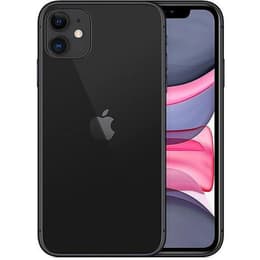
iPhone 11
iPhone 11
Starting at

Refurbished price:A$246.00

Versus A$769.00 new

See options
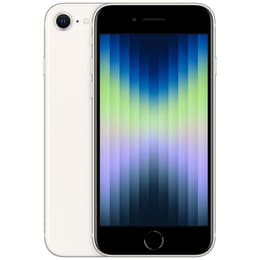
iPhone SE (2022)
iPhone SE (2022)
Starting at

Refurbished price:A$206.00

Versus A$719.00 new

See options

Ratings

The iPhone 11, released in September 2019, and the iPhone SE (2022), launched in March 2022, represent different approaches within Apple's smartphone lineup. While the iPhone 11 offers a larger display and a dual-camera system, the iPhone SE (2022) prioritizes a compact form factor and integrates a more recent, powerful processor. Both devices operate on Apple's iOS, providing a consistent software experience, but they cater to distinct user preferences regarding size, design, and specific features.

Scores

Durability

When considering the longevity of these devices, their release timelines and underlying hardware play a significant role in expected software support and practical lifespan.

  • Release Timeline: The iPhone 11 was released in September 2019, making it an older model compared to the iPhone SE (2022), which launched in March 2022. This difference in release date directly impacts how long each device is likely to receive major iOS updates.
  • Software Longevity: The iPhone SE (2022), being a newer device with a more recent processor, is expected to receive iOS updates for a longer period than the iPhone 11. While the iPhone 11 has received updates up to iOS 15.x and is likely to continue for a few more years, the iPhone SE (2022) is anticipated to support iOS updates for an extended duration, potentially seven years or more from its release.
  • Repairability: Both models are designed with similar repairability considerations typical of Apple devices. Users can expect access to parts and service for a considerable time, especially through quality-assured refurbished options.

Release year

2019

2022

Compatible with latest Update

Yes

Yes

Operating system

iOS

iOS

Foldable

No

No

Performance

The performance of these two iPhones varies significantly due to the difference in their internal components, impacting how they handle daily tasks and demanding applications.

  • Processor Capabilities: The iPhone SE (2022) features a more advanced processor, which translates to faster app loading, smoother multitasking, and enhanced performance in graphically intensive games or demanding applications. The iPhone 11, while still capable for everyday use, relies on an older generation processor.
  • System Responsiveness: Users will generally experience a more immediate and fluid response across the operating system on the iPhone SE (2022) due to its newer processor. The iPhone 11 provides a responsive experience for most tasks, but the newer model offers a noticeable improvement in speed and efficiency.
  • Storage Options: Both devices are available with 64GB, 128GB, and 256GB storage capacities, allowing users to choose based on their needs for apps, photos, and videos.
  • Battery Behavior: The iPhone 11 generally offers a larger battery capacity (3110 mAh) compared to the iPhone SE (2022) (2018 mAh). Despite the iPhone SE (2022)'s more efficient processor, its smaller battery size means that heavy users may find themselves charging it more frequently than the iPhone 11.

Memory (GB)

4 GB

4 GB

Screen quality

The display experience differs between the two models, primarily in size and overall viewing area, though both utilize similar display technology.

  • Display Technology and Resolution: Both the iPhone 11 and iPhone SE (2022) feature Liquid Retina IPS LCD displays. The iPhone 11 has a 6.1-inch display with a resolution of 1792 x 828 pixels, while the iPhone SE (2022) has a more compact 4.7-inch display with a resolution of 1334 x 750 pixels. Both offer a pixel density of 326 pixels per inch (PPI).
  • Brightness and Clarity: Both displays offer a typical maximum brightness of 625 nits, providing adequate visibility in various lighting conditions. They also support True Tone and wide color (P3) for accurate color representation.
  • Screen Size and Viewing Experience: The iPhone 11's larger 6.1-inch screen provides a more expansive viewing area, which can be beneficial for media consumption and multitasking. The iPhone SE (2022)'s 4.7-inch screen offers a more compact and pocketable experience, appealing to users who prefer a smaller device.
  • Refresh Rate: Both devices feature a standard 60Hz refresh rate, which provides a smooth experience for typical smartphone usage.

Resolution

828 x 1792

750 x 1334

Screen type

Liquid Retina IPS LCD

Retina IPS LCD

Audiovisual

The camera systems on the iPhone 11 and iPhone SE (2022) offer different capabilities, particularly in terms of versatility and advanced features.

  • Rear Camera System: The iPhone 11 features a dual-camera setup with a 12MP wide lens and a 12MP ultra-wide lens, allowing for more diverse photographic options, including wider landscape shots. The iPhone SE (2022) has a single 12MP wide-angle camera.
  • Photography Performance: Both devices offer good image quality in well-lit conditions. The iPhone 11 benefits from features like Night mode and Deep Fusion, which enhance low-light performance and detail capture. While the iPhone SE (2022) leverages its newer processor for improved image processing, it lacks a dedicated Night mode and the ultra-wide lens.
  • Video Recording: Both models support 4K video recording at up to 60 frames per second and offer cinematic video stabilization. The iPhone 11's dual-camera system provides more flexibility for video capture, including optical zoom out.
  • Front Camera: The iPhone 11 has a 12MP TrueDepth front camera, supporting features like Portrait mode and 4K video recording. The iPhone SE (2022) has a 7MP front camera, also capable of Portrait mode and HD video recording.
  • Audio Experience: Both phones offer stereo sound recording for videos and provide a clear audio experience for media consumption and calls.

Main camera

12 megapixels

12 megapixels

Front camera

12 megapixels

7 megapixels

Miscellaneous

Beyond core performance and display, several practical elements differentiate the iPhone 11 and iPhone SE (2022), influencing daily usability and interaction.

  • Connectivity: The iPhone SE (2022) supports 5G connectivity (sub-6 GHz), offering faster cellular data speeds in compatible areas, while the iPhone 11 is limited to 4G LTE. Both devices support Wi-Fi 6 and Bluetooth 5.0.
  • Biometric Security: The iPhone 11 utilizes Face ID for secure facial recognition and unlocking. The iPhone SE (2022) retains the traditional Home button with Touch ID for fingerprint authentication.
  • Physical Design and Handling: The iPhone 11 has a larger form factor, measuring 150.9 x 75.7 x 8.3 mm and weighing 194 grams. The iPhone SE (2022) is more compact and lighter at 138.4 x 67.3 x 7.3 mm and 144 grams, making it easier for one-handed use and pocketability. Both feature a glass front and back with an aluminum frame and are rated IP67 for water and dust resistance.
  • Ports: Both models exclusively use the Lightning port for charging and data transfer, lacking a 3.5mm headphone jack.

Weight

194 oz

144 oz

Screen size (in)

6.1

4.7

SIM card

Physical SIM + eSIM

Physical SIM + eSIM

Carrier compatibility

Unlocked

Unlocked

Connector

Lightning

Lightning

User sentiment for both the iPhone 11 and iPhone SE (2022) often highlights their respective strengths and trade-offs. The iPhone 11 is frequently praised for its larger display and versatile dual-camera system, with many users appreciating its balance of features for its release era. Criticisms sometimes point to its LCD screen technology compared to newer OLED panels and its 4G-only connectivity. The iPhone SE (2022) receives acclaim for its powerful, current-generation processor in a compact design, and the continued presence of Touch ID is a significant draw for many. However, its smaller screen with larger bezels and single camera are often noted as areas where it doesn't match more contemporary designs or photographic capabilities.

Users prioritizing a larger screen for media consumption, a more expansive viewing experience, and the flexibility of an ultra-wide camera may find the iPhone 11 better suited to their needs. Conversely, individuals who value a highly compact device, the latest processing power for demanding applications, and the familiarity of Touch ID will likely lean towards the iPhone SE (2022). Both devices offer a reliable iOS experience, and choosing between them often comes down to whether a user prioritizes screen size and camera versatility or raw processing power and a smaller form factor. Exploring quality-assured refurbished options for either model can provide a sustainable choice for consumers.
See all articles

Our recent comparisons