
iPhone
Compare models
Differences at a glance
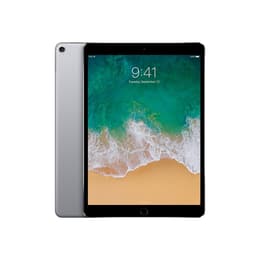
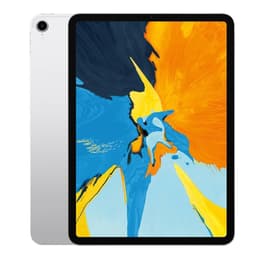
The iPad Pro 2017, released in June 2017, and the iPad Pro 2018, launched in October 2018, represent two consecutive generations of Apple's premium tablet line. While both devices offer a powerful iPadOS experience, the 2018 model introduced a significant design overhaul and substantial internal upgrades. Key differentiators include the 2018 model's edge-to-edge display, the removal of the home button in favor of Face ID, and a shift from the Lightning port to USB-C connectivity. Both run on Apple's iPadOS, providing a consistent software experience, though the newer hardware in the 2018 model allows for extended software support and enhanced performance in demanding applications.
Colour
Storage
When considering the practical lifespan of these tablets, several factors come into play, including their release dates, expected software support, and repairability.
Release year
Compatible with latest Update
Operating system
Minimum system requirements (iPadOS)
The performance of these iPad Pro models is largely determined by their internal processing capabilities, impacting everything from everyday tasks to intensive creative work.
Processor
The display is a central feature of any tablet, and both iPad Pro models offer high-quality visual experiences with some key distinctions.
Resolution
True Tone
Promotion
Screen type
Pixel density
Brightness
Speakers
The camera systems on these iPad Pro models are capable for a tablet, with the 2018 model bringing notable advancements, particularly to the front-facing camera.
Beyond core performance and display, several practical elements differentiate these two iPad Pro generations, influencing daily usability and accessory compatibility.
Weight
Width
Height
Depth
Screen size (in)
Network
Carrier compatibility
Wi-Fi version
Bluetooth version
Face ID
Touch ID
Connector
The iPad Pro 2017 and iPad Pro 2018 both offer robust tablet experiences, but cater to slightly different user needs due to their generational advancements. Users often praise the 2017 model for its still-capable performance and the presence of a headphone jack and Touch ID, which some prefer for convenience. Criticisms sometimes point to its older design with thicker bezels and the Lightning port's limitations compared to newer standards.
The iPad Pro 2018 is frequently lauded for its modern, all-screen design, the versatility of its USB-C port, and the enhanced performance for demanding tasks. Face ID is generally well-received for its convenience, though some users miss the physical home button. A common point of discussion for the 2018 model is the removal of the headphone jack, requiring adapters or wireless audio solutions.
Users prioritizing a more traditional iPad experience with a home button, headphone jack, and solid performance for everyday tasks may find the iPad Pro 2017 to be a suitable option. Conversely, those who require cutting-edge performance for creative applications, prefer a modern design with thinner bezels, value the versatility of USB-C, and appreciate Face ID for authentication will likely lean towards the iPad Pro 2018. Both models, when purchased as quality-assured refurbished options, provide an eco-friendly alternative for accessing premium tablet technology.