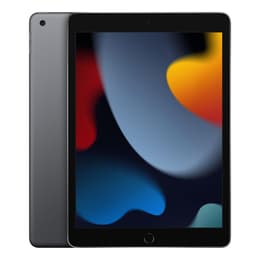
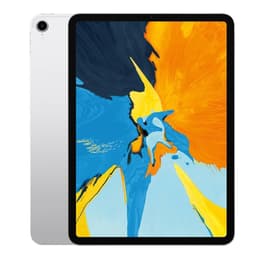

iPad 9 (2021, A13 series) vs iPad Pro (2018, A12 series)

iPad 9 (2021, A13 series)
Starting at

Refurbished price:A$233.00

Versus A$549.00 new

See options
iPad Pro (2018, A12 series)
Starting at

Refurbished price:A$466.00

Versus A$949.00 new

See options

Ratings

The iPad 2021 (9th Generation) and the iPad Pro 2018 represent different tiers within Apple's tablet lineup, released three years apart. While the iPad 2021 serves as a capable entry-level device, the iPad Pro 2018 was a high-end offering at its launch, featuring advanced display technology and a more powerful processor for its time. Both devices operate on iPadOS, providing a consistent software experience, but their hardware differences cater to distinct user needs.

Scores

Durability

The longevity of a tablet is influenced by its release date and the duration of software support it receives, alongside its physical resilience.

  • Software Support: The iPad 2021, being a newer device, is expected to receive iPadOS updates for a longer period than the iPad Pro 2018. The iPad 9th generation was discontinued in May 2024, but still receives iPadOS updates. The iPad Pro 2018, released earlier, has already received several major iPadOS updates and may approach the end of its software support cycle sooner.
  • Physical Durability: The iPad 2021 features a traditional aluminum unibody design. The iPad Pro 2018 introduced a thinner, more angular design, which some users reported could be susceptible to bending under certain pressures. Both models benefit from Apple's build quality, but the older Pro model's design might require more careful handling.
  • Expected Lifespan: For general use, both devices offer a practical lifespan of several years. The iPad 2021's newer processor and later release date suggest it will remain capable for everyday tasks and receive critical software updates for a longer duration.

Release year

2021

2018

Compatible with latest Update

Yes

Yes

Operating system

iPadOS

iPadOS

Minimum system requirements (iPadOS)

iPadOS 18

iPadOS 18

Performance

Performance is a key differentiator, with both tablets offering capable processing for their respective target users, though with varying levels of power and efficiency.

  • Processing Power: The iPad 2021 is equipped with a capable processor that handles everyday tasks, web browsing, streaming, and most apps smoothly. It provides a responsive experience for general use and casual gaming. The iPad Pro 2018, despite being older, features a more advanced processor that was designed for demanding professional workflows at its release. This allows it to manage complex applications, advanced multitasking, and graphically intensive tasks with efficiency.
  • Multitasking and Responsiveness: For users who frequently switch between multiple applications or work with large files, the iPad Pro 2018 offers a more fluid multitasking experience due to its more powerful processor and potentially higher RAM configurations. The iPad 2021 is suitable for split-screen multitasking for lighter tasks.
  • Storage Options: The iPad 2021 is available with 64GB or 256GB of internal storage. The iPad Pro 2018 offered a wider range of storage options, including 64GB, 256GB, 512GB, and 1TB, catering to users with extensive storage needs for large projects or media libraries.

Memory (GB)

3 GB

4 GB

Processor

Apple A13 Bionic

Apple A12X Bionic

Screen quality

The display is a significant aspect of the tablet experience, and these two models offer different technologies and features.

  • Display Technology and Clarity: The iPad 2021 features a 10.2-inch Retina IPS LCD display, providing clear visuals and good color reproduction for general viewing. The iPad Pro 2018 comes with a Liquid Retina IPS LCD display, available in 11-inch or 12.9-inch sizes, which offers a more advanced visual experience.
  • Refresh Rate and Smoothness: A key difference is the refresh rate. The iPad 2021 has a standard refresh rate. The iPad Pro 2018 introduced ProMotion technology, which allows for an adaptive refresh rate up to 120Hz, resulting in smoother scrolling, more responsive touch input, and a more fluid visual experience, particularly noticeable in fast-paced content or when using the Apple Pencil.
  • Brightness and Color Accuracy: Both displays offer good brightness levels for indoor use. The iPad Pro 2018's display generally provides higher peak brightness and supports a wider color gamut (P3), which is beneficial for creative professionals who require accurate color representation. The iPad 2021 includes True Tone technology, which adjusts the display's color temperature to match ambient light.

Resolution

2160 x 1620

2388 x 1668

True Tone

Yes

Yes

Promotion

No

Yes

Screen type

Retina display

Liquid Retina display

Pixel density

264ppp

264ppp

Brightness

500 nits brightness

600 nits brightness

Sound quality

Speakers

Stereo speakers

Four speaker audio

Audiovisual

While tablets are not typically primary photography devices, their camera systems are important for video calls, document scanning, and occasional photo capture.

  • Rear Camera Capabilities: The iPad 2021 is equipped with an 8-megapixel wide rear camera, suitable for basic photography and document scanning. The iPad Pro 2018 features a 12-megapixel wide rear camera, offering slightly more detail and improved image processing for its time.
  • Front Camera and Video Conferencing: The iPad 2021 excels in its front-facing camera, featuring a 12-megapixel ultra-wide camera with Center Stage. This feature automatically keeps the user in the frame during video calls, which is particularly useful for virtual meetings and family chats. The iPad Pro 2018 has a 7-megapixel TrueDepth front camera, which enables Face ID for secure authentication.
  • Audio Experience: The iPad 2021 provides stereo speakers for media consumption. The iPad Pro 2018 features a four-speaker audio system, delivering a more immersive and richer sound experience, which can enhance movie watching and gaming.

Miscellaneous

Beyond core specifications, several practical features contribute to the overall user experience and device utility.

  • Connectivity: Both tablets support Wi-Fi connectivity. The iPad 2021 supports Wi-Fi 5 (802.11ac) and Bluetooth 4.2. The iPad Pro 2018 also supports Wi-Fi 5 (802.11ac) but includes Bluetooth 5.0, offering a more stable and efficient wireless connection for accessories.
  • Ports and Accessories: The iPad 2021 retains the Lightning port and a 3.5mm headphone jack, offering compatibility with a wide range of existing accessories. It supports the 1st generation Apple Pencil and Smart Keyboard. The iPad Pro 2018 was a significant shift, adopting a USB-C port, which allows for broader connectivity with external displays and peripherals, though it lacks a headphone jack. It supports the 2nd generation Apple Pencil, which magnetically attaches and charges.
  • Biometric Authentication: The iPad 2021 uses Touch ID integrated into the home button for secure unlocking and purchases. The iPad Pro 2018 utilizes Face ID for facial recognition, offering a different method of biometric security.
  • Design and Handling: The iPad 2021 maintains the classic iPad design with a home button and thicker bezels. The iPad Pro 2018 introduced a more modern, all-screen design with thinner bezels and a more angular chassis, contributing to a more contemporary aesthetic and a larger screen-to-body ratio.

Weight

487 oz

468 oz

Width

17.41 in

17.85 in

Height

25.06 in

24.76 in

Depth

0.75 in

0.59 in

Screen size (in)

10.2

11

Network

Wi-Fi

Wi-Fi

Carrier compatibility

Without SIM Port

Without SIM Port

Wi-Fi version

Wi-Fi 6 802.11a/b/g/n/ac

Wi-Fi 6 802.11a/b/g/n/ac

Bluetooth version

Bluetooth 4.2

Bluetooth 5.0

Face ID

No

Yes

Touch ID

Yes

No

Connector

Lightning connector

USB Type-C

Choosing between the iPad 2021 and the iPad Pro 2018 involves weighing modern entry-level capabilities against older professional-grade features. Users frequently praise the iPad 2021 for its reliable performance for everyday tasks, its clear display, and its long battery life, making it a solid choice for general use, students, and casual media consumption. Its Center Stage front camera is also a highlight for video calls.

The iPad Pro 2018, despite its age, is often lauded for its powerful processor, which still handles demanding applications effectively, and its advanced Liquid Retina display with ProMotion technology, offering a smoother visual experience. Its USB-C port and support for the 2nd generation Apple Pencil are also significant advantages for creative and professional users. However, some users have noted concerns about the older Pro model's battery life under heavy professional workloads and its physical durability compared to other models.

Users prioritizing a more modern front camera experience, a traditional home button, and a lower entry point for Apple's tablet ecosystem may prefer the iPad 2021. Those who value a larger, smoother display, a more powerful processor for creative tasks, USB-C connectivity, and Face ID, and are comfortable with an older device, might lean towards the iPad Pro 2018. Both devices offer a gateway into the iPadOS ecosystem, and considering a quality-assured refurbished option for either model can provide an eco-friendly alternative for those seeking a balance of features and sustainability.

See all articles

Our recent comparisons