
Smartphones
Compare models
Differences at a glance
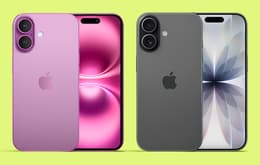
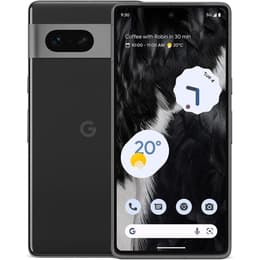
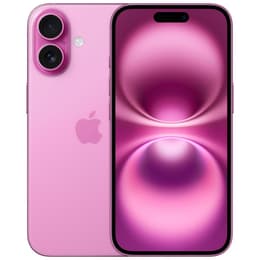
The Google Pixel 7, released in October 2022, and the iPhone 16, launched in September 2024, represent distinct approaches to the smartphone experience from two major technology companies. While both devices offer robust performance and advanced camera capabilities, they differ significantly in their underlying operating systems, software support timelines, and specific hardware features. The iPhone 16 benefits from a more recent release, bringing with it newer processing technology and Apple's latest software innovations, whereas the Pixel 7, running on Android, emphasizes Google's computational photography and AI integration.
Colour
Storage
When considering the practical lifespan of these devices, several factors come into play, including their release timelines, software support, and overall build quality.
Release year
Compatible with latest Update
Foldable
The performance of a smartphone is crucial for daily tasks, app responsiveness, and handling demanding applications. Both the Pixel 7 and iPhone 16 deliver capable experiences, though with different underlying architectures.
The display is a primary interface for smartphone interaction, and both devices offer vibrant viewing experiences with distinct characteristics.
Resolution
Screen type
Both the Google Pixel 7 and iPhone 16 are recognized for their strong camera systems, leveraging advanced computational photography to produce high-quality images and videos.
Main camera
Front camera
Beyond core performance and display, several practical elements contribute to the overall user experience of these smartphones.
Weight
Screen size (in)
SIM card
Carrier compatibility
User feedback for the Google Pixel 7 often highlights its exceptional camera performance, particularly its ability to capture natural-looking photos with strong computational photography, even in challenging lighting conditions. Many users appreciate its clean Android experience and the integration of Google's AI features for everyday tasks. Some common criticisms have included its battery life, which, while generally lasting a full day for moderate users, might require more frequent charging for heavy use. The 90Hz display is a praised feature for its smoothness.
The iPhone 16, being a newer device, receives praise for its powerful processing capabilities, ensuring a smooth and responsive user experience across all applications. Its camera system is noted for producing sharp images and offering advanced video recording features, including spatial video. Users also frequently commend its robust build quality and the introduction of the customizable Action Button. The battery life is generally considered strong, often lasting up to two days for some users. A recurring point of discussion, however, is the 60Hz display, which some users feel is a limitation compared to other devices in its category.
Users prioritizing a device with a longer software support window and top-tier processing power for demanding applications and gaming may find the iPhone 16 well-suited to their needs. Its advanced camera features and robust ecosystem also appeal to those deeply integrated into Apple's services. Conversely, users who value exceptional computational photography, a clean Android interface, and a slightly smoother display refresh rate for general use might lean towards the Google Pixel 7. Both devices offer compelling features, and choosing between them often comes down to individual preferences for operating system, specific camera capabilities, and overall ecosystem. For those seeking an eco-friendly alternative, quality-assured refurbished options for both models are available, providing a sustainable choice.