
HP EliteBook 840 G5 14" vs Microsoft Surface Pro 7+ 12"

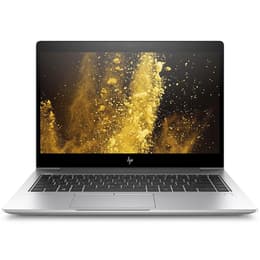
HP EliteBook 840 G5 14"
See options
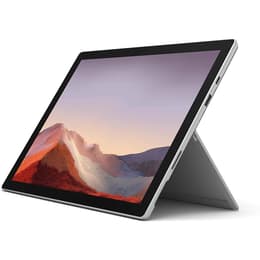
Microsoft Surface Pro 7+ 12"
Starting at

Refurbished price:A$492.00

Versus A$2,967.04 new

See options

The HP EliteBook 840 G5, released in 2018, is a traditional business-oriented laptop designed for productivity. In contrast, the Microsoft Surface Pro 7 Plus, launched in early 2021, is a versatile 2-in-1 device that functions as both a tablet and a laptop with a detachable keyboard. Both devices operate on the Windows platform, but they cater to different user preferences through their distinct form factors and hardware generations.

Scores

Durability

The expected practical lifespan and ongoing support differ between these two devices, primarily due to their release timelines and design philosophies.

  • Release Timeline and Age: The HP EliteBook 840 G5 was released in 2018, making it an older model compared to the Microsoft Surface Pro 7 Plus, which launched in 2021. This age difference impacts the duration of software support and the availability of the latest features.
  • OS Support Duration: Both devices run Windows, and their software longevity is tied to Microsoft's support cycles. The Surface Pro 7 Plus, being newer, is likely to receive official Windows updates for a longer period than the EliteBook 840 G5. Users of the EliteBook may eventually need workarounds for newer Windows versions, as some users have noted for Windows 11.
  • Repairability: The EliteBook 840 G5 is generally considered more repairable, a common trait for business laptops designed for IT maintenance, featuring accessible components and tethered screws. The Surface Pro 7 Plus, while offering a removable SSD, has a design that makes other repairs, such as screen or battery replacement, more challenging due to glued components.

Release year

2017

2021

Last Os Compatibility

Yes

Yes

Operating system

Windows 11

Windows 11

Performance

Performance capabilities vary significantly between these two devices, influenced by their respective processor generations and system architectures.

  • Processor Capabilities: The HP EliteBook 840 G5 features 8th Generation Intel Core processors, which provide solid performance for everyday office tasks, web browsing, and multitasking. The Microsoft Surface Pro 7 Plus, equipped with 11th Generation Intel Core processors, offers a notable improvement in processing power and graphical performance, making it more responsive for demanding applications and smoother for tasks like photo or video editing.
  • System Responsiveness and Multitasking: Both devices offer configurations with ample RAM and fast SSD storage, contributing to quick boot times and responsive application loading. The EliteBook 840 G5 supports up to 32GB of DDR4 RAM across two user-accessible slots, allowing for potential upgrades. The Surface Pro 7 Plus also offers up to 32GB of LPDDR4x RAM, though it is soldered, and features a removable SSD for data retention and potential capacity upgrades.
  • Battery Behavior: The EliteBook 840 G5 typically provides around 6 to 8.5 hours of battery life under average use. The Surface Pro 7 Plus, despite Microsoft's claims of up to 15 hours, generally delivers between 6 to 9 hours in real-world usage, with some users reporting shorter durations under heavy load.

Memory (GB)

8 GB

8 GB

Processor

Core i7 - Gen 8 (U)

Core i5-1135G7

Graphic card

Integrated Graphics

Intel Iris Xe Graphics

Screen quality

The display experience on the EliteBook 840 G5 and the Surface Pro 7 Plus presents distinct characteristics in terms of size, resolution, and technology.

  • Display Technology and Clarity: The HP EliteBook 840 G5 offers a 14-inch display, with various options including Full HD (1920x1080) IPS panels and optional 4K resolutions. The Microsoft Surface Pro 7 Plus features a 12.3-inch PixelSense touchscreen with a higher resolution of 2736 x 1824 pixels, resulting in a sharper image and higher pixel density (267 PPI).
  • Brightness and Viewing Experience: The EliteBook's display brightness can vary significantly, with base models sometimes being dim (around 220 nits), while higher-end configurations, especially those with HP Sure View privacy screens, can reach up to 700 nits. The Surface Pro 7 Plus's display is noted for its vividness and brightness, offering a clear viewing experience. The Surface's 3:2 aspect ratio is often preferred for productivity tasks like document viewing and web browsing.
  • Touch and Refresh Rate: The Surface Pro 7 Plus features a 10-point multi-touch display with native pen support, enhancing its versatility as a tablet. Both devices typically have a standard 60Hz refresh rate.

Resolution

1920 x 1080

2736 x 1824

Screen type

IPS

IPS

Audiovisual

The camera and audio capabilities of these devices are tailored to their primary use cases, with notable differences in quality and features.

  • Camera System: The HP EliteBook 840 G5 includes an HD (720p) webcam, often with a physical privacy shutter for enhanced security. Some configurations also feature an infrared camera for Windows Hello facial recognition. The Microsoft Surface Pro 7 Plus offers a more robust camera setup, with a 5.0MP front-facing camera capable of 1080p HD video and an 8.0MP rear-facing autofocus camera also with 1080p HD video. It also includes a Windows Hello face authentication camera.
  • Photography and Video Quality: The Surface Pro 7 Plus's cameras are generally considered superior for video calls and casual photography, with users often praising the front-facing camera's performance even in lower light conditions. The EliteBook's webcam is functional for standard video conferencing but may not offer the same level of detail or clarity.
  • Audio Quality: The EliteBook 840 G5 features Bang & Olufsen speakers and HP Noise Cancellation technology, along with a world-facing third microphone, designed for clear communication in business environments. The Surface Pro 7 Plus is equipped with dual far-field Studio Mics and 1.6W stereo speakers with Dolby Atmos, providing clear sound for media consumption and calls.

Miscellaneous

Beyond core performance and display, several practical elements differentiate the user experience of the EliteBook 840 G5 and the Surface Pro 7 Plus.

  • Connectivity Options: The EliteBook 840 G5 offers a comprehensive set of ports, including a Thunderbolt (USB-C) port, multiple USB-A ports, HDMI, and an Ethernet port, catering to a wide range of peripherals and wired network connections. The Surface Pro 7 Plus provides a USB-C port, a USB-A port, a 3.5mm headphone jack, and a Surface Connect port, along with a MicroSDXC card reader on Wi-Fi models. It also supports Wi-Fi 6 and Bluetooth 5.0, with optional LTE Advanced connectivity.
  • Portability and Build Materials: The EliteBook 840 G5 is a traditional laptop with an aluminum chassis, weighing around 1.48 kg (3.26 lbs). The Surface Pro 7 Plus, as a tablet, is significantly lighter at approximately 770g (1.7 lbs) without the Type Cover, featuring a magnesium unibody design. This makes the Surface Pro 7 Plus considerably more portable for users who frequently move between locations.
  • Security Features: Both devices prioritize security. The EliteBook 840 G5 includes enterprise-grade features like HP Sure Start, HP Sure Click, a fingerprint reader, and optional facial recognition. The Surface Pro 7 Plus offers Windows Hello facial recognition and a TPM 2.0 chip for enterprise security.

Weight

1500 oz

770 oz

Screen size

14

12

The HP EliteBook 840 G5 and the Microsoft Surface Pro 7 Plus cater to different user needs, each with its own set of strengths and considerations.

Users often praise the EliteBook 840 G5 for its robust build quality, comfortable keyboard, and comprehensive port selection, making it a reliable workhorse for office environments. Criticisms sometimes point to the base model's display brightness and its older processor generation compared to newer devices. The EliteBook is well-suited for professionals who require a traditional laptop form factor, extensive connectivity, and a device designed for long-term business use and easier internal maintenance.

The Surface Pro 7 Plus is frequently lauded for its versatility as a 2-in-1 device, its vibrant touchscreen display, and its improved performance over previous Surface Pro models, particularly in graphics. Common concerns include its battery life, which, while improved, may not meet a full day's heavy use, and the fact that essential accessories like the Type Cover keyboard are sold separately. This device is ideal for students, travelers, or professionals who value portability, touch interaction, and the flexibility of switching between a tablet and laptop experience.

Ultimately, users prioritizing a traditional, highly connectable, and more easily repairable laptop for consistent desk-based work may lean towards the HP EliteBook 840 G5. Conversely, those who need a lightweight, adaptable device with a superior display and enhanced camera for on-the-go productivity and creative tasks will find the Microsoft Surface Pro 7 Plus well-suited to their needs. Both models are available as quality-assured refurbished options, providing a sustainable choice for consumers.

See all articles

Our recent comparisons