
Compare models

Galaxy S24 Ultra vs Google Pixel 9 Pro

  • 1-year warranty
  • Free standard shipping
  • Free 30-day returns
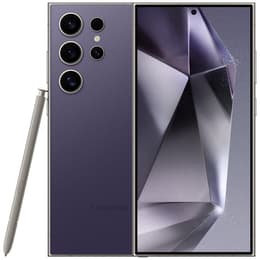
Galaxy S24 Ultra
Starting at

Refurbished price:A$759.00

Versus A$1,899.00 new

See options
Google Pixel 9 Pro
Starting at

Refurbished price:A$749.00

Versus A$1,691.47 new

See options

Differences at a glance

The Samsung Galaxy S24 Ultra (2024) and the Google Pixel 9 Pro (2024) represent top-tier options in the Android smartphone market. While both devices deliver flagship-level capabilities, they approach design and software integration differently. The Galaxy S24 Ultra emphasizes a large-format productivity experience with an integrated stylus, whereas the Pixel 9 Pro focuses on advanced computational photography and streamlined software features within a more compact form factor.

Available Models

Colour

Storage (GB)

Scores

Durability

Both manufacturers offer robust software longevity and modern build quality, ensuring reliable performance over several years of ownership.

  • Software Support: Both devices receive comprehensive operating system updates and security patches for seven years from their respective release dates, ensuring long-term software relevance.
  • Build and Repairability: The Galaxy S24 Ultra features a titanium frame and flat display glass, while the Pixel 9 Pro uses polished aluminum and durable glass panels, with both offering solid structural resilience for everyday handling.
  • Expected Lifespan: High-capacity internal storage configurations and generous system memory ensure that both models remain capable of handling evolving software demands for multiple years as quality-assured refurbished options.

Release year

2024

2024

Compatible with latest Update

Yes

Yes

Operating system

Android

Android

Foldable

No

No

Performance

Daily operation and hardware efficiency differ slightly based on the custom processing architectures integrated into each device.

  • System Responsiveness: Both smartphones handle demanding applications, intensive multitasking, and seamless switching between active programs without noticeable slowdowns.
  • Battery Behavior: The Galaxy S24 Ultra incorporates a larger battery capacity suited for extended heavy use, while the Pixel 9 Pro relies on efficient power management to deliver reliable all-day battery life under typical conditions.
  • Storage and Multitasking: Ample random access memory paired with various internal storage tiers ensures smooth background process handling and plenty of space for media and applications.

Screen quality

Viewing experiences vary primarily due to physical dimensions, panel curvature, and peak brightness characteristics.

  • Display Technology: Both models utilize vibrant OLED panels with deep contrast levels, sharp resolutions, and adaptive refresh rates reaching up to 120 hertz for fluid scrolling.
  • Outdoor Visibility: Exceptionally high peak brightness levels on both screens ensure clear readability and minimal glare under direct sunlight.
  • Size and Format: The Galaxy S24 Ultra provides a wider, flatter 6.8-inch viewing area ideal for media consumption and note-taking, whereas the Pixel 9 Pro offers a more pocket-friendly 6.3-inch display format.

Resolution

1440 x 3120

1280x2856

Screen type

Dynamic LTPO AMOLED 2X

LTPO OLED

Audiovisual

Imaging hardware and computational software provide versatile photography tools tailored to different user preferences.

  • Camera Systems: The Galaxy S24 Ultra features a versatile quad-camera array with high-resolution telephoto lenses for distant subjects, while the Pixel 9 Pro utilizes a triple-camera setup paired with advanced computational photography for balanced daily captures.
  • Low-Light and Video: Both devices excel at capturing detailed low-light imagery and shooting stable, high-definition video with clear audio recording capabilities.
  • Media and Audio: Stereo speaker setups on both smartphones deliver clear audio output for hands-free calls, video playback, and casual media streaming.

Main camera

200 megapixels

50 megapixels

Front camera

12 megapixels

42 megapixels

Miscellaneous

Physical design traits and connectivity standards influence daily usability and handling comfort.

  • Connectivity and Ports: Both models support current-generation 5G networks, advanced Wi-Fi standards, and Bluetooth connectivity, utilizing USB Type-C ports for charging and data transfer.
  • Security Sensors: Responsive under-display fingerprint scanners and secure facial recognition features come standard on both devices for quick authentication.
  • Dimensions and Handling: The Galaxy S24 Ultra has a larger footprint and angular corners suited for two-handed use, while the Pixel 9 Pro features rounded edges and a lighter frame that fits more comfortably in one hand.

Weight

232 oz

199 oz

Screen size (in)

6.8

6.3

Network

5G

5G

SIM card

Physical SIM + eSIM

Physical SIM + eSIM

Carrier compatibility

Unlocked

Unlocked

Connector

USB-C

USB-C

What the community thinks

User feedback from online communities highlights distinct preferences between these two flagships. Owners of the Galaxy S24 Ultra frequently praise its expansive display, integrated productivity tool, and versatile zoom capabilities, though some note its larger physical size can feel cumbersome during one-handed operation. Conversely, users of the Pixel 9 Pro often highlight its natural photo rendering, streamlined interface, and comfortable ergonomic design, while occasional discussions center on desiring longer reach from the telephoto lens.

Users prioritizing a larger screen workspace, dedicated stylus functionality, and extensive zoom range may prefer the Galaxy S24 Ultra, while users seeking a compact device with streamlined software and advanced photo processing will find the Pixel 9 Pro well-suited to their needs. Exploring quality-assured refurbished models provides a sustainable choice for acquiring either device while reducing electronic waste. Ultimately, the choice depends on personal preferences regarding physical size and everyday workflow integration.


Our recent comparisons