
Compare models

Google Pixel 9 Pro vs iPhone 14 Pro Max

  • 1-year warranty
  • Free standard shipping
  • Free 30-day returns
Google Pixel 9 Pro
Starting at

Refurbished price:A$760.00

Versus A$2,205.75 new

See options
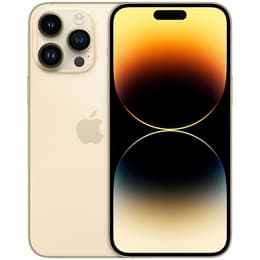
iPhone 14 Pro Max
Starting at

Refurbished price:A$736.00

Versus A$1,899.00 new

See options

Differences at a glance

The Google Pixel 9 Pro (2024) and the Apple iPhone 14 Pro Max (2022) represent high-tier smartphone experiences from different generations and operating ecosystems. While the Pixel 9 Pro runs on Android and prioritizes compact handling paired with advanced artificial intelligence integration, the iPhone 14 Pro Max runs on iOS and offers a larger physical footprint alongside established ecosystem continuity. Choosing between them involves weighing distinct design philosophies, software environments, and functional priorities.

Available Models

Colour

Storage (GB)

Scores

Durability

Both devices are built for longevity, though their release years and software update commitments create different expected lifespans for everyday users.

  • Software longevity: The Google Pixel 9 Pro benefits from an extended multi-year update commitment covering operating systems and security patches, whereas the iPhone 14 Pro Max follows Apple's typical support window which spans several years from its earlier launch date.
  • Repairability and build: Both models utilize durable glass and metal constructions with official water and dust resistance ratings, supporting long-term usability through standard maintenance and professional repair networks.
  • Practical lifespan: Users selecting either device can anticipate years of reliable daily service, with the more recent model retaining active software feature updates further into the future.

Release year

2024

2022

Compatible with latest Update

Yes

Yes

Operating system

Android

iOS

Foldable

No

No

Performance

System responsiveness and everyday utility differ based on memory configurations, background software optimization, and hardware capabilities.

  • Multitasking capacity: The Google Pixel 9 Pro includes generous memory capacity to handle multiple demanding background applications simultaneously, while the iPhone 14 Pro Max manages multitasking efficiently through deep hardware and software integration.
  • Battery behavior: Both smartphones comfortably handle a full day of typical mixed usage, though real-world endurance varies depending on screen brightness settings, cellular connectivity stability, and background processing tasks.
  • System fluidity: Everyday tasks such as app switching, web browsing, and media streaming execute smoothly on both platforms, supported by current-generation processing architecture designed to handle modern apps without stutter.

Screen quality

Display characteristics vary significantly in physical dimensions and peak brightness levels, directly influencing viewing comfort and media consumption.

  • Display technology: Both models use advanced OLED panels with adaptive refresh rates reaching up to 120Hz, ensuring fluid scrolling and deep contrast for video playback.
  • Size and handling: The iPhone 14 Pro Max features a larger 6.7-inch screen well-suited for immersive media viewing, while the Pixel 9 Pro opts for a more compact 6.3-inch display that improves one-handed reachability.
  • Outdoor visibility: High peak brightness capabilities on both screens allow content to remain clear and legible even under direct sunlight.

Resolution

1280x2856

1290 x 2796

Screen type

LTPO OLED

LTPO Super Retina XDR OLED

Audiovisual

Imaging hardware and computational processing deliver versatile photography and video recording suites tailored to different creative preferences.

  • Camera versatility: Both devices feature high-resolution main lenses, ultra-wide options, and dedicated telephoto zoom capabilities to capture distant subjects clearly.
  • Low-light performance: Advanced sensor hardware and image stabilization systems reduce blur and preserve detail during evening or indoor photography sessions.
  • Media output: The iPhone series is widely noted for consistent video stabilization and audio pickup during recording, while Google's processing excels at balanced still photography and smart editing tools. Choosing a quality-assured refurbished option provides access to these advanced imaging capabilities sustainably.

Main camera

50 megapixels

48 megapixels

Front camera

42 megapixels

12 megapixels

Miscellaneous

Physical handling, connectivity standards, and daily accessories shape the practical user experience outside of core computing tasks.

  • Connectivity and ports: Both smartphones support modern 5G networks, fast Wi-Fi standards, and Bluetooth, utilizing reversible USB-C or Lightning connection ports depending on the ecosystem.
  • Security features: Biometric authentication relies on facial recognition or secure fingerprint sensors, providing quick and secure device unlocking.
  • Dimensions and weight: The iPhone 14 Pro Max is notably heavier and wider, whereas the Pixel 9 Pro presents a lighter, narrower profile that fits more easily into pockets and smaller hands.

Weight

199 oz

120 oz

Screen size (in)

6.3

6,7

Network

5G

5G

SIM card

Physical SIM + eSIM

Physical SIM + eSIM

Carrier compatibility

Unlocked

Unlocked

What the community thinks

User feedback highlights distinct preferences for each device across community forums. Owners of the Google Pixel 9 Pro frequently praise its comfortable physical dimensions, intelligent software additions, and reliable daily camera output. Conversely, users of the iPhone 14 Pro Max often commend its expansive display, robust build quality, and seamless integration with other Apple devices.

Users prioritizing a more compact physical footprint, advanced artificial intelligence tools, and a longer software support window may prefer the Google Pixel 9 Pro. Meanwhile, users prioritizing a larger screen for media consumption, an established iOS ecosystem, and traditional handling will find the iPhone 14 Pro Max well-suited to their needs. Considering a quality-assured refurbished option offers a practical way to acquire either model while supporting sustainable technology choices.

Our recent comparisons