
Compare models

Google Pixel 9 Pro vs iPhone 15 Pro

  • 1-year warranty
  • Free standard shipping
  • Free 30-day returns
Google Pixel 9 Pro
Starting at

Refurbished price:A$760.00

Versus A$2,205.75 new

See options
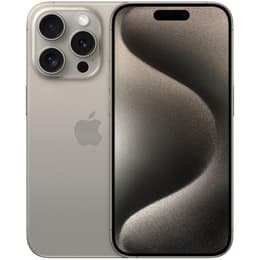
iPhone 15 Pro
Starting at

Refurbished price:A$892.00

Versus A$1,849.00 new

See options

Differences at a glance

The Google Pixel 9 Pro (2024) and the iPhone 15 Pro (2023) represent high-end mobile engineering from two major technology ecosystems. While they share compact flagship footprints and sophisticated material designs, they operate on different software platforms, namely Android and iOS. These devices cater to users seeking refined photography and daily multitasking efficiency, though their software environments and hardware integration diverge significantly.

Available Models

Colour

Storage (GB)

Scores

Durability

When examining hardware longevity and software support, both smartphones offer extended upgrade lifelines designed to span many years of daily use.

  • Software Support: Both manufacturers provide long-term operating system updates and security patches spanning multiple years, ensuring the devices stay current with security standards and software features.
  • Repairability and Build: Both models utilize robust frame construction and reinforced glass, scoring similarly on structural resilience, with professional repair networks widely available for component replacements.
  • Expected Lifespan: Thanks to powerful internal architectures and sustained software updates, both phones are built to maintain reliable daily performance for several years, especially when chosen as quality-assured refurbished options that extend device life cycles sustainably.

Release year

2024

2023

Compatible with latest Update

Yes

Yes

Operating system

Android

iOS

Foldable

No

No

Performance

Performance capabilities dictate how smoothly each device handles demanding workloads, background tasks, and high-end gaming sessions.

  • Multitasking and Memory: Both devices manage intensive background processes and heavy application switching smoothly, utilizing ample system memory to keep multiple apps active without stuttering.
  • Battery Behavior: Battery endurance varies based on usage patterns, with both models comfortably lasting through standard daily tasks like web browsing and messaging, though heavy gaming or continuous video capture will deplete the charge faster.
  • Storage Configurations: Multiple internal storage tiers accommodate vast photo libraries and large applications, though neither device supports expandable storage via memory cards.

Screen quality

Display characteristics shape the visual experience for media consumption, navigation, and everyday viewing conditions.

  • Display Technology: Both models feature advanced OLED display panels that deliver deep contrast levels, rich colors, and wide viewing angles for all types of content.
  • Brightness and Outdoors: High peak brightness levels ensure screen clarity remains legible even under direct sunlight, allowing comfortable outdoor visibility.
  • Refresh Rate: Adaptive high refresh rate technology enables fluid scrolling animations and responsive touch feedback during gaming and general interface navigation.

Resolution

1280x2856

1179 x 2556

Screen type

LTPO OLED

LTPO Super Retina XDR OLED

Audiovisual

Imaging hardware and software processing define the photographic capabilities and video recording outputs of both smartphones.

  • Camera Systems: Both devices feature versatile multi-lens arrays incorporating main, ultra-wide, and telephoto sensors to handle various framing distances and creative perspectives.
  • Low-Light Photography: Advanced computational processing helps capture crisp, low-noise images in dimly lit environments without relying excessively on artificial flashes.
  • Video and Audio: High-resolution video recording features steady optical stabilization and clear multi-microphone audio capture, making both devices reliable tools for recording multimedia content.

Main camera

50 megapixels

48 megapixels

Front camera

42 megapixels

12 megapixels

Miscellaneous

Physical handling characteristics and connectivity standards influence day-to-day usability and accessory compatibility.

  • Connectivity: Both models support modern 5G cellular networks, fast Wi-Fi standards, and short-range wireless communication for seamless data transfer and peripheral pairing.
  • Ports and Charging: Both devices utilize universal USB-C ports for charging and wired data synchronization, aligning with current industry standards.
  • Physical Design: Ergonomic dimensions and balanced weight distribution ensure comfortable one-handed operation, while integrated biometric sensors provide secure and rapid device unlocking.

Weight

199 oz

187 oz

Screen size (in)

6.3

6.1

Network

5G

5G

SIM card

Physical SIM + eSIM

Physical SIM + eSIM

Carrier compatibility

Unlocked

Unlocked

What the community thinks

Choosing between the Google Pixel 9 Pro and the iPhone 15 Pro largely depends on personal preference regarding software ecosystems and user interface design. Users who prioritize deep integration with Apple services, compact premium hardware, and long-standing iOS familiarity frequently lean toward the iPhone 15 Pro. Conversely, users who favor flexible operating system customization, conversational assistant integration, and distinct photographic color rendering often prefer the Google Pixel 9 Pro. Real-world feedback notes that both devices offer exceptional everyday responsiveness and reliable camera systems, though user preference for either Android or iOS remains the definitive deciding factor. For consumers aiming to make an eco-friendly choice, selecting either model as a quality-assured refurbished device provides a sustainable alternative that reduces electronic waste without compromising on modern smartphone capabilities.