
Compare models
Google Pixel 9 Pro vs iPhone 15
- 1-year warranty
- Free standard shipping
- Free 30-day returns
Differences at a glance
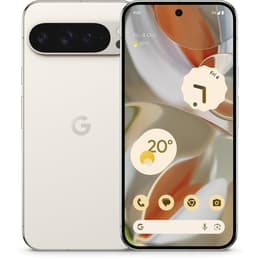
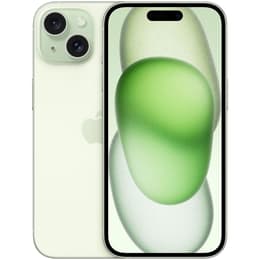
The Google Pixel 9 Pro (2024) and the iPhone 15 (2023) represent contemporary flagship smartphone engineering from two major technology ecosystems. While the Google Pixel 9 Pro runs on the Android operating system with custom artificial intelligence integrations, the iPhone 15 operates on Apple iOS with a focus on seamless ecosystem integration. Both devices target users seeking high-end functionality, but they approach everyday mobile computing through distinct software environments and hardware configurations.
Available Models
Colour
Storage
Scores
Durability
When evaluating hardware longevity and software support, both devices offer extended lifespans backed by multi-year manufacturer commitments.
- Software update timeline: The Google Pixel 9 Pro receives operating system upgrades and security patches for seven years from its release, while the iPhone 15 typically receives software updates for approximately five to six years. Users seeking maximum software longevity will find extended support through the Google Pixel 9 Pro.
- Repairability and build: Both models utilize durable glass and metal construction designed to withstand daily wear, though glass panels remain susceptible to impact damage. Choosing a quality-assured refurbished option provides a sustainable way to extend device lifecycles while reducing electronic waste.
Release year
2024
2023
Compatible with latest Update
Yes
Yes
Operating system
Android
iOS
Foldable
No
No
Performance
Day-to-day operations and multitasking capabilities differ slightly based on internal hardware organization and memory allocations.
- Multitasking and memory: The Google Pixel 9 Pro features a larger memory capacity designed to handle complex background processes smoothly, whereas the iPhone 15 relies on optimized software integration to manage multitasking efficiently with less memory.
- Storage and battery behavior: Both devices offer various internal storage configurations without expandable storage slots. Battery performance varies by usage, though both models comfortably manage a standard day of mixed activities like messaging, web browsing, and media streaming before requiring a recharge.
Screen quality
Display characteristics shape the visual experience for media consumption, reading, and outdoor visibility.
- Display technology and brightness: The Google Pixel 9 Pro utilizes an advanced OLED panel capable of exceptionally high peak brightness levels for clear outdoor viewing under direct sunlight, while the iPhone 15 features a bright Super Retina OLED screen with accurate color reproduction.
- Refresh rate and smoothness: The Google Pixel 9 Pro supports a dynamic refresh rate scaling up to 120 hertz for smooth scrolling and animations, whereas the iPhone 15 maintains a standard 60 hertz refresh rate for everyday navigation.
Resolution
1280x2856
1179 x 2556
Screen type
LTPO OLED
Super Retina XDR OLED
Audiovisual
Imaging hardware and audio-visual recording capabilities cater to different photography preferences and content creation styles.
- Camera systems: The Google Pixel 9 Pro incorporates a triple-lens rear setup featuring a dedicated high-resolution zoom lens, while the iPhone 15 utilizes a dual-lens rear system emphasizing balanced everyday captures and computational clarity.
- Video and audio output: Both devices deliver stable, high-definition video recording with advanced stabilization features. Built-in stereo speakers provide clear audio output for hands-free calls and casual media playback without requiring external headphones.
Main camera
50 megapixels
48 megapixels
Front camera
42 megapixels
12 megapixels
Miscellaneous
Physical dimensions and connectivity standards influence daily handling, pocketability, and accessory compatibility.
- Ports and connectivity: Both models utilize universal USB-C ports for charging and data transfer, alongside modern 5G cellular connectivity, fast Wi-Fi standards, and Bluetooth capabilities.
- Biometrics and handling: The Google Pixel 9 Pro offers both facial recognition and an ultrasonic under-display fingerprint sensor, while the iPhone 15 relies exclusively on secure facial authentication. Ergonomically, both phones feature comfortable contoured edges suitable for single-handed use.
Weight
199 oz
171 oz
Screen size (in)
6.3
6.1
Network
5G
5G
SIM card
Physical SIM + eSIM
Physical SIM + eSIM
Carrier compatibility
Unlocked
Unlocked
What the community thinks
User discussions across online communities frequently highlight the Google Pixel 9 Pro for its advanced photographic zoom capabilities, high-refresh-rate display, and extended software support window. Common praise for the iPhone 15 centers on its intuitive operating system, reliable everyday performance, and seamless integration with other Apple devices. Some users note that the Google Pixel 9 Pro can feel heavy during extended one-handed use, while critics of the iPhone 15 occasionally mention the limitation of the standard refresh rate compared to competing flagships.
Users prioritizing advanced zoom photography, high refresh rates, and multi-year software commitments may prefer the Google Pixel 9 Pro. Conversely, users seeking a streamlined operating system, reliable everyday handling, and deep ecosystem compatibility will find the iPhone 15 well-suited to their needs. Opting for a quality-assured refurbished model serves as an eco-friendly alternative that minimizes environmental impact while delivering dependable everyday performance.