

Compare models

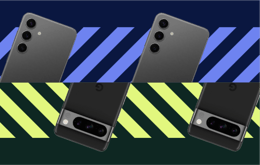
Google Pixel 9 Pro vs Motorola Razr 40

  • 1-year warranty
  • Free standard shipping
  • Free 30-day returns
Google Pixel 9 Pro
Starting at

Refurbished price:A$760.00

Versus A$2,205.75 new

See options
Motorola Razr 40
Starting at

Refurbished price:A$625.00

Versus A$1,983.00 new

See options

Differences at a glance

The Google Pixel 9 Pro (2024) and the Motorola Razr 40 (2023) represent two entirely distinct approaches to modern smartphone engineering. While the Google Pixel 9 Pro adopts a traditional, robust candy-bar form factor with a strong focus on computational photography and long-term software support, the Motorola Razr 40 introduces a flexible foldable design that emphasizes pocketability and a compact secondary screen. Operating on the Android ecosystem, these devices cater to very different physical preferences and daily usage styles while delivering smooth performance through their respective hardware configurations.

Available Models

Colour

Storage (GB)

Scores

Durability

When evaluating structural longevity and software support, both devices offer distinct timelines influenced by their release dates and manufacturer policies.

  • Software longevity: The Google Pixel 9 Pro benefits from an extensive multi-year update commitment covering operating systems and security patches, whereas the Motorola Razr 40 follows a shorter software support schedule.
  • Build and durability: The Pixel 9 Pro features a traditional rigid frame with high-level water resistance and durable glass panels, while the foldable Motorola Razr 40 requires more mindful handling due to its flexible inner screen and folding hinge mechanism.
  • Practical lifespan: Users can expect extended software relevance from the Pixel 9 Pro, while the Razr 40's lifespan depends heavily on regular care of the folding display layers.

Release year

2024

2023

Compatible with latest Update

Yes

Yes

Operating system

Android

Android

Foldable

No

Yes

Performance

Daily responsiveness and multitasking capabilities vary across these models based on their hardware architectures and memory allocations.

  • Multitasking and memory: The Google Pixel 9 Pro includes a generous amount of system memory that handles heavy app switching and demanding background tasks with ease, while the Motorola Razr 40 manages standard daily operations and moderate multitasking smoothly with its configuration.
  • Battery behavior: The Pixel 9 Pro's battery comfortably sustains a full day of mixed use through efficient power management, whereas the Razr 40's smaller power cell may require a quick recharge during heavy usage days.
  • System responsiveness: Both devices load everyday applications quickly and navigate user interfaces fluidly without noticeable stutter during normal operation.

Screen quality

Visual experiences differ significantly between the rigid high-density panel of the Google Pixel 9 Pro and the expansive folding display of the Motorola Razr 40.

  • Display technology: The Pixel 9 Pro utilizes a bright, rigid organic light-emitting panel with sharp resolution, while the Razr 40 features a foldable organic light-emitting screen accompanied by a handy external cover display.
  • Outdoor visibility: High peak brightness levels on the Pixel 9 Pro ensure clear readability under direct sunlight, matching the capable outdoor viewing performance of the Razr 40's primary panel.
  • Refresh rate and smoothness: Both models support high refresh rates, resulting in fluid scrolling through web pages, documents, and supported applications.

Resolution

1280x2856

1080 x 2640

Screen type

LTPO OLED

Foldable LTPO AMOLED

Audiovisual

Multimedia capture and audio playback capabilities reflect each device's primary design priorities and internal hardware layout.

  • Camera systems: The Pixel 9 Pro equips a versatile triple-lens rear array featuring dedicated zoom capabilities, whereas the Razr 40 utilizes a dual-lens rear configuration that handles everyday snapshots and wide-angle framing.
  • Media and audio: Built-in stereo speakers on both phones deliver clear audio output for casual video viewing, podcasts, and hands-free calls.
  • Video recording: The Pixel 9 Pro provides advanced stabilization and detail enhancement features for moving footage, while the Razr 40 offers flexible recording angles unique to its folding structure.

Main camera

50 megapixels

64 megapixels

Front camera

42 megapixels

32 megapixels

Miscellaneous

Practical everyday features, physical dimensions, and connectivity standards shape how each smartphone fits into daily routines.

  • Connectivity and ports: Both models support modern 5G cellular networks, reliable Wi-Fi standards, and Bluetooth pairing via standard USB Type-C charging ports.
  • Authentication and sensors: The Pixel 9 Pro uses secure facial recognition and an in-display fingerprint sensor, while the Razr 40 places its fingerprint scanner conveniently on the side frame alongside face unlock capabilities.
  • Form factor and handling: The Pixel 9 Pro offers a solid, traditional hand-feel, whereas the Razr 40 folds in half to take up significantly less space in pockets and small bags.

Weight

199 oz

189 oz

Screen size (in)

6.3

6.9

Network

5G

5G

SIM card

Physical SIM + eSIM

Dual Physical SIM

Carrier compatibility

Unlocked

Unlocked

What the community thinks

User discussions across community forums highlight distinct preferences for each device. Owners of the Google Pixel 9 Pro frequently praise its reliable battery life, consistent triple-camera output, and long-term software commitment. Common criticisms for the Pixel occasionally point toward its traditional weight and standard candy-bar footprint. On the other hand, users drawn to the Motorola Razr 40 heavily praise its compact folding convenience, pocket-friendly dimensions, and unique form factor that stands out from standard phones. Frequent discussions regarding the Razr 40 note that the folding crease requires some adjustment, and heavy users desire a larger battery capacity.

Users prioritizing advanced photography, long-term software updates, and a sturdy traditional build may prefer the Google Pixel 9 Pro, while users who value a compact folding design and pocket-friendly dimensions will lean toward the Motorola Razr 40. Choosing between them depends entirely on whether physical foldability or traditional smartphone robustness aligns better with daily routines. For those seeking a sustainable choice, exploring a quality-assured refurbished option provides an eco-friendly alternative that extends the life cycle of these capable devices.