Compare models
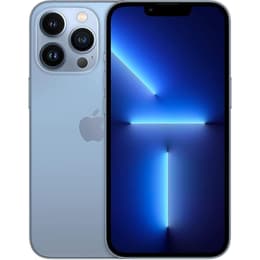
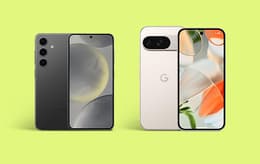
Google Pixel 9 Pro vs iPhone 13 Pro
- 1-year warranty
- Free standard shipping
- Free 30-day returns
Differences at a glance
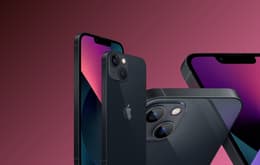
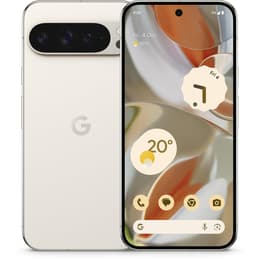
The Google Pixel 9 Pro (2024) and the iPhone 13 Pro (2021) represent distinct generations and operating systems within the premium smartphone market. While both devices deliver high-end functionality, the Google Pixel 9 Pro runs on the Android operating system and introduces modern hardware iterations, whereas the iPhone 13 Pro operates on Apple's iOS ecosystem with an emphasis on established integration.
Users evaluating these models will find notable differences in software support timelines, internal processing capabilities, and camera configurations. Understanding these practical variations helps determine which device aligns more closely with daily communication, media consumption, and productivity needs.
Available Models
Colour
Storage (GB)
Scores
Durability
When evaluating the long-term viability of these two devices, release timelines and software update commitments play a critical role in determining their expected operational lifespan.
- Software Support Duration: The Google Pixel 9 Pro benefits from an extended software update policy providing multi-year security and system updates, while the iPhone 13 Pro operates within Apple's typical software lifecycle window, meaning fewer remaining years of major system upgrades.
- Repairability and Build: Both devices feature resilient construction materials designed for everyday handling, though component availability for repairs can vary depending on regional service networks and the chosen quality-assured refurbished option.
- Expected Practical Lifespan: Users seeking maximum longevity for software features will find the newer Google model retains compatibility further into the future, whereas the iPhone 13 Pro remains structurally robust for daily tasks within its remaining support window.
Release year
2024
2021
Compatible with latest Update
Yes
Yes
Operating system
Android
iOS
Foldable
No
No
Performance
Processing power and resource management directly influence how each smartphone handles everyday applications, gaming sessions, and heavy multitasking routines.
- App Loading and Multitasking: The Google Pixel 9 Pro handles intensive multitasking smoothly with its generous memory allocation, whereas the iPhone 13 Pro manages background processes efficiently through optimized software and hardware integration.
- Storage and Battery Behavior: Both devices offer multiple storage configurations to suit different media storage habits, while battery endurance varies with usage intensity, requiring typical daily charging for heavy users on both platforms.
- System Responsiveness: Navigation across menus and switching between demanding applications feels fluid on both devices, ensuring dependable performance for modern mobile applications.
Screen quality
Visual clarity, outdoor visibility, and refresh rate behavior define the media consumption and daily interaction experience of both smartphone screens.
- Display Technology and Resolution: Both models utilize advanced OLED display panels that deliver deep contrast levels, sharp text rendering, and vivid color reproduction for photos and videos.
- Brightness and Outdoor Visibility: The Google Pixel 9 Pro features a high peak brightness level that aids readability under direct sunlight, while the iPhone 13 Pro provides adequate outdoor luminance for standard viewing conditions.
- Refresh Rate and Smoothness: Both devices incorporate adaptive high refresh rate technology, resulting in fluid scrolling motions through web pages and responsive touch interactions during gameplay.
Resolution
1280x2856
1170 x 2532
Screen type
LTPO OLED
Super Retina XDR OLED
Audiovisual
Imaging hardware and software processing shape how each smartphone captures still photography and records everyday video memories.
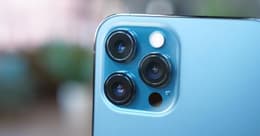
- Camera System Capabilities: Both smartphones feature versatile multi-lens configurations comprising main, ultra-wide, and telephoto sensors designed to handle diverse framing distances.
- Low-Light and Everyday Photography: The Google Pixel 9 Pro relies on advanced computational photography algorithms to balance difficult lighting conditions, while the iPhone 13 Pro captures natural color profiles and sharp details across standard shooting modes.
- Video Recording and Audio: Video stabilization features on both models produce steady footage during movement, supported by clear internal microphones for voice clarity during calls and video capture.
Main camera
50 megapixels
12 megapixels
Front camera
42 megapixels
12 megapixels
Miscellaneous
Physical dimensions, connectivity standards, and daily handling characteristics determine how comfortably each device integrates into daily routines.
- Connectivity and Ports: Both models support modern 5G cellular networks and high-speed Wi-Fi standards, utilizing distinct proprietary or universal connection ports for charging and data transfer.
- Security and Biometrics: The Google Pixel 9 Pro utilizes facial recognition alongside an in-display fingerprint sensor, whereas the iPhone 13 Pro relies exclusively on secure face authentication hardware.
- Handling and Dimensions: Weight distribution and physical footprints differ slightly between the two models, influencing pocketability and comfort during extended one-handed use.
Weight
199 oz
203 oz
Screen size (in)
6.3
6,1
Network
5G
5G
SIM card
Physical SIM + eSIM
Physical SIM + eSIM
Carrier compatibility
Unlocked
Unlocked
What the community thinks
Users prioritizing extended software support, advanced computational photography features, and an Android environment will find the Google Pixel 9 Pro well-suited to their daily workflow. Conversely, individuals who prefer Apple's iOS ecosystem, established application continuity, and a compact premium build often gravitate toward the iPhone 13 Pro. Both smartphones deliver capable performance for standard communication and multimedia tasks, though their differing software ecosystems and update timelines remain central to the final decision.
For buyers exploring sustainable purchasing alternatives, selecting a quality-assured refurbished option provides a practical way to acquire either device while supporting eco-friendly consumption habits. Weighing software preferences against hardware longevity helps ensure a satisfying long-term smartphone experience.