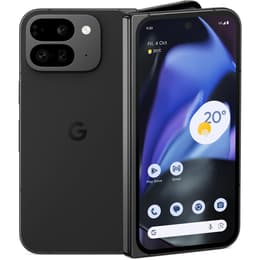

Google Pixel 9 Pro Fold vs iPhone 14

Google Pixel 9 Pro Fold
See options
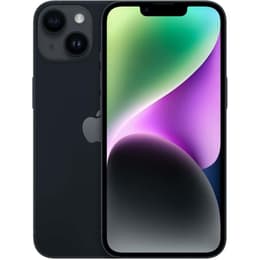
iPhone 14
iPhone 14
Starting at

Refurbished price:A$468.00

Versus A$1,049.00 new

See options

Ratings

The Google Pixel 9 Pro Fold, released in late 2024, and the Apple iPhone 14, launched in late 2022, represent distinct approaches to modern smartphone design and functionality. While the Pixel 9 Pro Fold offers a versatile foldable form factor with Google's advanced Android ecosystem, the iPhone 14 provides a traditional, streamlined smartphone experience powered by Apple's iOS. The primary differentiators lie in their physical design, display technology, and the underlying operating systems, catering to different user preferences and usage patterns.

Scores

Durability

When considering the long-term usability of these devices, their release timelines and software support policies are key factors. The Pixel 9 Pro Fold, being a more recent device, benefits from Google's extended update commitment, while the iPhone 14, though older, still receives consistent support from Apple.

  • Release Timeline and Age: The Google Pixel 9 Pro Fold was officially announced in August 2024 and released in September 2024, making it a newer device. The iPhone 14 was released in September 2022. This two-year difference means the Pixel 9 Pro Fold will generally receive software updates for a longer period into the future.
  • OS Support Duration: Google has committed to providing seven years of OS and security updates for the Pixel 9 Pro Fold, ensuring long-term software longevity. Apple typically provides 5-6 years of iOS updates for its devices, meaning the iPhone 14 will likely receive updates for a few more years, but less than the Pixel 9 Pro Fold.
  • Expected Practical Lifespan: Both devices are built to last, but the Pixel 9 Pro Fold's newer components and longer software support suggest a potentially extended practical lifespan for users who prioritize the latest software features and security patches. The iPhone 14, with its robust build and consistent iOS updates, also offers a considerable lifespan, though its update cycle will conclude sooner.

Release year

2024

2022

Compatible with latest Update

Yes

Yes

Operating system

Android

iOS

Foldable

Yes

No

Performance

The performance capabilities of the Pixel 9 Pro Fold and the iPhone 14 are influenced by their respective processors and system optimizations, impacting how smoothly they handle daily tasks and demanding applications.

  • Processor Capabilities: The Google Pixel 9 Pro Fold is equipped with a current-generation Tensor G4 processor, designed to handle demanding apps, advanced AI features, and multitasking with efficiency. The iPhone 14 features the A15 Bionic chip, which delivers strong performance for everyday use, gaming, and creative tasks, known for its consistent and responsive operation.
  • Multitasking and Responsiveness: With 16GB of RAM, the Pixel 9 Pro Fold offers substantial capacity for running numerous applications simultaneously and switching between them fluidly, which is particularly beneficial for productivity on its larger, foldable display. The iPhone 14, with 6GB of RAM, provides a smooth user experience for typical smartphone usage, managing multiple apps effectively within the iOS environment.
  • Storage Options: Both devices offer various storage configurations to suit user needs. The Pixel 9 Pro Fold is available with 256GB or 512GB of internal storage. The iPhone 14 comes with options for 128GB, 256GB, or 512GB, providing flexibility for storing apps, photos, and media.

Memory (GB)

16 GB

6 GB

Screen quality

The display experience is a major point of divergence between these two smartphones, with the Pixel 9 Pro Fold offering a unique dual-screen setup and the iPhone 14 providing a high-quality traditional panel.

  • Display Technology and Size: The Google Pixel 9 Pro Fold features two OLED displays: a 6.3-inch outer Actua display and an 8.0-inch inner Super Actua flexible display when unfolded. This provides a versatile canvas for different tasks. The iPhone 14 has a single 6.1-inch OLED display, offering a consistent viewing area.
  • Resolution and Clarity: The Pixel 9 Pro Fold's outer display has a resolution of 1080 x 2424 pixels (422 PPI), and its inner display is 2076 x 2152 pixels (373 PPI), both delivering clear and detailed visuals. The iPhone 14's display offers a resolution of 1170 x 2532 pixels, resulting in sharp images and text.
  • Brightness and Refresh Rate: The Pixel 9 Pro Fold's displays offer high brightness levels, with the outer screen reaching up to 1800 nits (HDR) and 2700 nits (peak), and both screens supporting a variable refresh rate up to 120Hz for smooth scrolling and animations. The iPhone 14 features a bright OLED display, but it operates at a standard 60Hz refresh rate.

Resolution

2076 x 2152

1170 x 2532

Screen type

Foldable LTPO OLED

Super Retina XDR OLED

Audiovisual

Both devices offer capable camera systems, but they differ in their hardware configurations and computational photography approaches, influencing the quality and versatility of photos and videos.

  • Camera System Capabilities: The Google Pixel 9 Pro Fold boasts a triple-lens rear camera system, including a 50MP main sensor, a 48MP ultra-wide lens with macro autofocus, and a 48MP telephoto lens with 5x optical zoom. The iPhone 14 features a dual-camera setup with a 12MP main sensor and a 12MP ultra-wide lens.
  • Photography Performance: The Pixel 9 Pro Fold leverages Google's advanced computational photography for detailed images, strong low-light performance, and versatile zoom capabilities, including a dedicated telephoto lens for distant subjects. The iPhone 14 delivers consistent and vibrant photos in various conditions, with improvements in low-light performance and a new autofocus feature for its front camera.
  • Video Recording Quality: The Pixel 9 Pro Fold supports video recording up to 8K resolution with Video Boost or 4K as standard, offering high-fidelity video capture. The iPhone 14 records 4K Dolby Vision HDR video at up to 60 frames per second, and includes features like Cinematic mode for shallow depth of field effects and Action mode for enhanced video stabilization.

Main camera

48 megapixels

12 megapixels

Front camera

10 megapixels

12 megapixels

Miscellaneous

Beyond core features, several practical elements contribute to the overall user experience, from connectivity standards to physical design and security measures.

  • Connectivity and Ports: The Google Pixel 9 Pro Fold supports modern connectivity standards including 5G, Wi-Fi 7, and Bluetooth 5.3, and features a USB-C 3.2 port for charging and data transfer. The iPhone 14 also offers 5G connectivity and Bluetooth, but uses a Lightning port, which is a proprietary Apple connector.
  • Sensors and Security: Both devices incorporate advanced security features. The Pixel 9 Pro Fold includes fingerprint recognition, while the iPhone 14 relies on Face ID for secure authentication. Both offer a suite of sensors for various functionalities.
  • Build Materials and Durability: The Pixel 9 Pro Fold features a multi-alloy steel hinge and aerospace-grade aluminum, with Gorilla Glass Victus 2 protecting its outer display, and boasts an IPX8 water resistance rating. The iPhone 14 utilizes a Ceramic Shield front cover and has an IP68 rating for water and dust resistance, offering robust protection in a traditional slab design.

Weight

257 oz

172 oz

Screen size (in)

8.0

6,1

Network

5G

5G

SIM card

Physical SIM + eSIM

Physical SIM + eSIM

Carrier compatibility

Unlocked

Unlocked

The Google Pixel 9 Pro Fold and the iPhone 14 cater to different user needs and preferences, primarily distinguished by their form factor and operating systems. Users often praise the Pixel 9 Pro Fold for its innovative foldable design, which provides a large screen for productivity and media consumption, making it a compelling choice for those who desire a tablet-like experience in a pocketable device. Its advanced camera system and long-term software support are also frequently highlighted as strong points. However, some users of previous Pixel Fold models have expressed concerns about the overall durability of foldable devices and the optimization of certain apps for the larger internal display.

The iPhone 14 is generally lauded for its consistent performance, reliable software experience, and robust ecosystem. Users appreciate its intuitive interface, strong battery life for typical daily use, and capable camera system for everyday photography and video. Some common criticisms from users include the standard 60Hz refresh rate of its display and the continued use of the Lightning port, which can be a point of contention for those seeking universal connectivity. Some users have also noted minor cosmetic issues around the camera module over time.

Users prioritizing a versatile, large-screen experience for multitasking, reading, and media consumption, coupled with Google's latest AI innovations and extended software support, may find the Pixel 9 Pro Fold well-suited to their needs. Conversely, individuals who prefer a traditional, highly polished smartphone experience with a focus on ease of use, a vast app ecosystem, and consistent performance will likely lean towards the iPhone 14. Both devices offer compelling features, and for those looking for an eco-friendly, quality-assured refurbished option, both models are available, providing a sustainable choice for consumers.
See all articles

Our recent comparisons