
Smartphones
Compare models
Differences at a glance
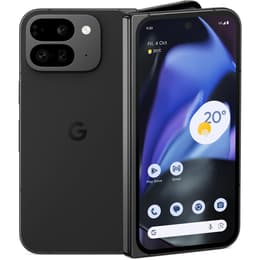
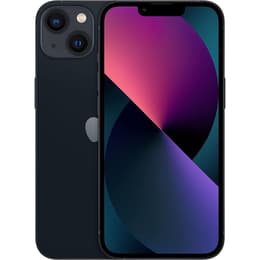
The Google Pixel 9 Pro Fold, released in September 2024, represents Google's advanced entry into the foldable smartphone market, offering a unique form factor that transforms from a compact device into a larger tablet-like screen. In contrast, the iPhone 13, launched in September 2021, is a traditional slab-style smartphone from Apple, known for its consistent performance and integrated ecosystem. The primary distinction lies in their design philosophy: one embraces a flexible, expansive display for enhanced multitasking, while the other refines the classic smartphone experience with a focus on user-friendly operation and robust software support.
Colour
Storage
When considering the longevity of these devices, their release timelines and operating system support are key factors. The Google Pixel 9 Pro Fold, being a newer device from 2024, benefits from a more extended period of software updates and security patches compared to the iPhone 13, which was released in 2021. This difference in age directly impacts their expected practical lifespan.
Release year
Compatible with latest Update
Operating system
Foldable
The performance of a smartphone is crucial for daily tasks, from navigating applications to engaging in demanding multimedia activities. Both devices offer capable internal components designed to deliver a smooth user experience, though they approach this with different hardware architectures.
The visual experience is a significant differentiator, with the Pixel 9 Pro Fold offering a versatile, expansive display and the iPhone 13 providing a high-quality, traditional screen.
Resolution
Screen type
Both devices offer advanced camera systems, but they cater to different photographic preferences and capabilities, with the Pixel 9 Pro Fold leveraging Google's computational photography and the iPhone 13 providing a reliable dual-camera setup.
Main camera
Front camera
Beyond core performance and display, several practical elements contribute to the overall user experience and differentiate these two smartphones.
Weight
Screen size (in)
Network
SIM card
Carrier compatibility
The Google Pixel 9 Pro Fold and the iPhone 13 cater to distinct user preferences, primarily defined by their form factors and operating systems. Users often praise the Pixel 9 Pro Fold for its innovative foldable design, which offers the versatility of a large screen for productivity and media consumption in a portable package. Its advanced camera system, bolstered by Google's computational photography and AI features, is frequently highlighted for producing high-quality images. However, some users may express concerns about the long-term durability of foldable screens, despite Google's efforts to improve hinge design. The iPhone 13, on the other hand, is consistently lauded for its reliable performance, intuitive iOS ecosystem, and robust build quality with the Ceramic Shield front. Its camera system, while not as numerically diverse as some newer phones, is well-regarded for its consistent results and user-friendly features like Cinematic Mode. Criticisms sometimes point to its 60Hz display, which lacks the smoothness of higher refresh rate screens found in newer devices.
Users prioritizing a cutting-edge, adaptable device for multitasking, extensive media viewing, and leveraging advanced AI capabilities may find the Google Pixel 9 Pro Fold well-suited to their needs. Its larger, flexible display offers a unique interaction experience that a traditional smartphone cannot match. Conversely, users who value a proven, straightforward smartphone experience with a strong emphasis on consistent performance, a vast app ecosystem, and a familiar design may lean toward the iPhone 13. It remains a solid choice for everyday use, offering a dependable camera and long-term software support within its established platform. For those seeking an eco-friendly alternative, both models are available as quality-assured refurbished options, providing a sustainable choice for consumers.