
Compare models
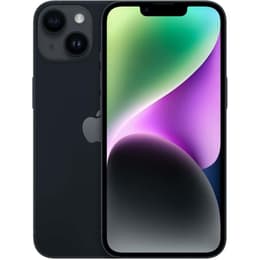
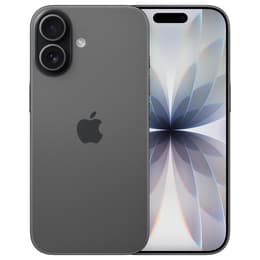
iPhone 14 vs iPhone 17
- 1-year warranty
- Free standard shipping
- Free 30-day returns
Differences at a glance
The iPhone 14 (2022) and the iPhone 17 (2025) represent different generations of Apple's flagship smartphone line. While both devices serve as primary smartphones within their respective lineups, the iPhone 17 introduces notable generational updates to its display fluidity, camera versatility, and internal processing power compared to the earlier iPhone 14. Both models operate on Apple's iOS ecosystem, though the newer model benefits from an extended software support window.
Available Models
Colour
Storage (GB)
Scores
Durability
When evaluating structural longevity and software support, the iPhone 17 benefits from a more recent release timeline, providing a longer window of future updates compared to the iPhone 14.
- Software Support Window: The iPhone 17 receives Apple system updates for several years longer than the iPhone 14, making it well-suited for users planning extended device ownership.
- Build Resilience: Both handsets feature robust water and dust resistance alongside hardened glass panels, though the newer model incorporates advanced material iterations to handle daily wear.
- Practical Lifespan: Users seeking maximum longevity from their technology will find the extended support lifecycle of the newer generation aligns closely with long-term utility goals.
Release year
2022
2025
Compatible with latest Update
Yes
Yes
Operating system
iOS
iOS
Foldable
No
No
Performance
Daily operation and multitasking capabilities vary significantly between these generations, driven by improvements in memory capacity and system efficiency.
- Multitasking and App Switching: The iPhone 17 includes higher RAM capacity, allowing multiple demanding background applications to remain active without reloading compared to the iPhone 14.
- Speed and Responsiveness: System navigation, app loading speeds, and graphics-heavy tasks execute with enhanced fluidity on the newer model thanks to its advanced processor architecture.
- Energy Management: Battery endurance under heavy usage remains reliable on both devices, though thermal management improvements in the newer model help sustain peak performance during extended tasks.
Screen quality
Display technology sees a major generational shift, moving from standard viewing parameters to more fluid and luminous panel specifications.
- Refresh Rate Smoothness: The iPhone 17 introduces high-refresh-rate technology to the standard lineup, delivering smoother scrolling and motion handling than the fixed 60Hz panel on the iPhone 14.
- Outdoor Visibility: Peak outdoor brightness increases notably on the newer model, ensuring clearer visibility under direct sunlight compared to its predecessor.
- Viewing Area: The iPhone 17 slightly increases screen diagonal dimensions within a similar physical footprint by refining the surrounding bezels for an immersive media experience.
Audiovisual
Imaging capabilities evolve to offer greater detail capture and flexibility across varied lighting conditions and video formats.
- Sensor Resolution: The iPhone 17 upgrades its secondary ultra-wide lens to a higher resolution sensor, capturing sharper details in landscape shots than the 12-megapixel ultra-wide camera on the iPhone 14.
- Low-Light Performance: Processing enhancements on the newer model improve clarity and reduce noise when shooting in dimly lit environments.
- Media Recording: Both phones handle high-resolution video capture smoothly, though the iPhone 17 adds advanced framing and dual-capture features for content creators.
Front camera
12 megapixels
18 megapixels
Miscellaneous
Connectivity standards and physical connectivity ports reflect the technological shifts between their respective release years.
- Charging Ports: The iPhone 14 utilizes the proprietary Lightning connection standard, whereas the iPhone 17 adopts the universal USB-C port for charging and data transfer.
- Wireless Standards: The newer device supports upgraded wireless and cellular modem standards for faster data speeds and more reliable connectivity in congested areas.
- Physical Dimensions: Both devices maintain a slim profile and comfortable handling characteristics, though minor variations in weight and height distinguish their daily handling feel. Exploring a quality-assured refurbished option provides a sustainable choice for acquiring either model while reducing electronic waste.
Weight
172 oz
177 oz
Screen size (in)
6,1
6.3
Network
5G
5G
SIM card
Physical SIM + eSIM
Physical SIM + eSIM
Carrier compatibility
Unlocked
Unlocked
Connector
Lightning
USB-C
What the community thinks
User feedback from community discussions highlights distinct preferences for each generation. Owners of the iPhone 14 frequently praise its reliable day-to-day performance, comfortable ergonomics, and established stability within the iOS ecosystem. However, some users note that its display refresh rate and charging port feel dated compared to newer market standards. Conversely, users of the iPhone 17 highlight the noticeable visual smoothness of the high-refresh-rate screen, faster app response times, and the convenience of universal USB-C connectivity, though some point out that the generational leap may be subtle for those upgrading from recent intermediate models.
When deciding between the two devices, user priorities serve as the primary guide. Users prioritizing maximum display fluidity, modern connectivity ports, and long-term software longevity will find the iPhone 17 well-suited to their needs. Meanwhile, users focused on dependable core smartphone functions without requiring the latest hardware additions may lean toward the iPhone 14. For conscious consumers seeking a sustainable choice, opting for a quality-assured refurbished option provides an eco-friendly alternative that extends device lifecycles without compromising on reliability.