Compare models
Google Pixel 8 vs iPhone Air
- 1-year warranty
- Free standard shipping
- Free 30-day returns
Differences at a glance
The Google Pixel 8 (2023) and the iPhone Air (2025) represent two distinct approaches to modern smartphone design, combining different operating systems with unique physical layouts. While the Google Pixel 8 focuses on a compact form factor running Android, the iPhone Air introduces an ultra-slim profile powered by iOS. These two devices differ significantly in their launch timelines, dimensions, and software ecosystems, catering to contrasting user preferences.
Available Models
Colour
Storage (GB)
Scores
Durability
When examining hardware longevity and software support, both devices offer robust frameworks for long-term usage, though their release timelines and update commitments differ.
- Software support windows: The Google Pixel 8 benefits from a long-term manufacturer update commitment spanning seven years from its release. The iPhone Air follows Apple's standard multi-year software lifecycle, ensuring regular operating system updates and security patches.
- Repairability and build durability: Both models incorporate sturdy front glass protection and dust-resistant builds, while maintaining standard repair pathways through certified service networks for screen and battery replacements.
- Expected practical lifespan: Users can expect reliable multi-year performance from both devices, making quality-assured refurbished options a sustainable choice for environmentally conscious consumers looking to extend device lifecycles.
Release year
2023
2025
Compatible with latest Update
Yes
Yes
Operating system
Android
iOS
Foldable
No
No
Performance
Daily operation and multitasking capabilities vary across these models due to differences in system architecture, RAM allocation, and storage configurations.
- Everyday responsiveness and multitasking: Both devices handle daily tasks, web browsing, and demanding applications smoothly, supported by generous RAM configurations that keep background apps active without stuttering.
- Storage capacity options: The Google Pixel 8 offers standard storage tiers suited for everyday media storage, whereas the iPhone Air provides higher maximum capacity tiers to accommodate large media libraries and extensive file storage.
- Battery behavior during intensive use: Battery longevity under heavy load depends on individual usage patterns, with both models requiring daily charging routines under continuous media streaming or navigation use.
Screen quality
Visual output and physical display characteristics differ notably in size, panel technology, and peak luminance capabilities during outdoor usage.
- Display technology and clarity: The Google Pixel 8 features a vibrant OLED screen with crisp resolution suitable for daily media consumption, while the iPhone Air incorporates a larger Super Retina XDR display with high pixel density.
- Outdoor visibility: Both screens maintain readability under direct sunlight, with high peak brightness levels that dynamically adjust to varying ambient lighting conditions.
- Refresh rate and scrolling smoothness: Each device supports a high refresh rate up to 120Hz, delivering fluid animations and responsive touch feedback during gaming and menu navigation.
Resolution
1080 x 2400
2736x1260
Screen type
OLED
Super Retina XDR
Audiovisual
Photography and audio capabilities reflect each manufacturer's approach to computational imaging, hardware layout, and media reproduction.
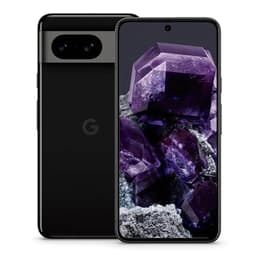
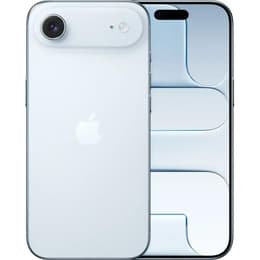
- Camera system versatility: The Google Pixel 8 utilizes a dual rear camera arrangement with advanced computational photography tools, while the iPhone Air features a streamlined single high-resolution main camera setup paired with an updated selfie sensor.
- Video and low-light performance: Both smartphones capture detailed footage in challenging lighting conditions, equipped with image stabilization features to reduce blur during handheld video recording.
- Audio output quality: Built-in speaker systems deliver clear dialogue and balanced sound reproduction for hands-free calls, podcasts, and casual video viewing.
Main camera
50 megapixels
48 megapixels
Front camera
10.5 megapixels
18 megapixels
Miscellaneous
Physical dimensions, weight distribution, and connectivity standards shape how each device fits into daily routines and travel use.
- Handling and physical dimensions: The Google Pixel 8 provides a traditional, compact footprint that fits easily into smaller pockets, whereas the iPhone Air emphasizes an exceptionally thin and lightweight titanium frame.
- Connectivity standards: Both models support current wireless standards including 5G connectivity, advanced Wi-Fi protocols, and Bluetooth for accessory pairing.
- Port types and biometric security: Each device utilizes a universal USB connection port for charging and data transfer, complemented by secure biometric authentication methods for unlocking and authorizing payments.
Weight
187 oz
165 oz
Screen size (in)
6.2
6.5
Network
5G
5G
SIM card
Physical SIM + eSIM
eSIM
Carrier compatibility
Unlocked
Unlocked
Connector
USB-C
USB-C
What the community thinks
Choosing between the Google Pixel 8 and the iPhone Air depends largely on preferred operating systems and physical design priorities. Users who prefer the customisation features and compact dimensions of Android will find the Google Pixel 8 well-suited to their daily routines. Conversely, individuals embedded in the Apple ecosystem who value an ultra-slim profile and a larger display canvas may lean toward the iPhone Air.
Common praise for the Google Pixel 8 highlights its manageable size and intelligent photo editing tools, though some users note that intensive gaming can cause the device to warm up. Meanwhile, the iPhone Air receives appreciation for its breakthrough thin design and vibrant display, though users occasionally remark on the absence of multiple physical rear lenses. Choosing a quality-assured refurbished option provides an eco-friendly alternative for consumers seeking either device while reducing electronic waste.