iPhone 12 mini vs iPhone 14 Plus

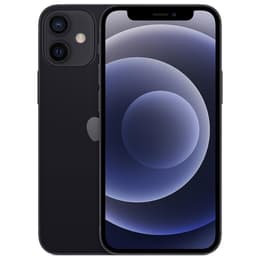
iPhone 12 mini
iPhone 12 mini
Starting at

Refurbished price:A$277.00

Versus A$929.00 new

See options
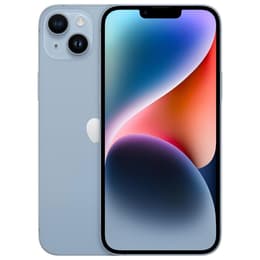
iPhone 14 Plus
iPhone 14 Plus
Starting at

Refurbished price:A$480.00

Versus A$1,249.00 new

See options

Ratings

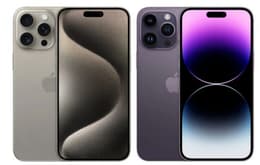
The iPhone 12 Mini, released in late 2020, and the iPhone 14 Plus, launched in late 2022, represent distinct approaches within Apple's smartphone lineup. While both devices operate on Apple's iOS ecosystem, they cater to different user preferences primarily through their size and battery performance. The iPhone 12 Mini offers a compact form factor, while the iPhone 14 Plus provides a significantly larger display and extended battery endurance.

Scores

Durability

When considering the practical lifespan of these devices, several factors come into play, including their release timelines, software support, and physical durability.

  • Release Timeline and Software Support: The iPhone 12 Mini was released in November 2020, while the iPhone 14 Plus followed in October 2022. Apple typically provides major iOS updates for approximately five to six years from a device's release, with security updates often extending for several additional years. This means the iPhone 14 Plus will likely receive major software updates for a longer duration than the iPhone 12 Mini, offering an extended period of access to new features and security enhancements. [13, 24, 33]
  • Repairability and Durability: Both models feature a Ceramic Shield front cover, designed to offer enhanced drop performance compared to previous iPhone generations. [2, 5] Both also carry an IP68 rating for water and dust resistance, allowing submersion up to 6 meters for 30 minutes. [1, 3] While specific repairability scores can vary, Apple generally maintains a consistent approach to component design within its product generations.
  • Expected Practical Lifespan: Users can expect the iPhone 14 Plus to remain fully supported with the latest iOS versions for a longer period, potentially until around 2034, whereas the iPhone 12 Mini's major OS update cycle is anticipated to conclude earlier, around 2028-2030. [33] This difference in software longevity can influence how long a device feels current and performs optimally with modern applications.

Release year

2020

2022

Compatible with latest Update

Yes

Yes

Operating system

iOS

iOS

Foldable

No

No

Performance

The performance of a smartphone is largely determined by its internal processing capabilities and how efficiently it manages tasks and power.

  • Processor Capabilities: The iPhone 12 Mini is equipped with a capable processor that handles everyday applications, multitasking, and moderate gaming smoothly. The iPhone 14 Plus features a newer generation processor, which provides a noticeable improvement in overall speed and efficiency. This translates to faster app loading times, smoother transitions between applications, and more responsive performance, particularly with demanding tasks or graphically intensive games. [1, 7, 19]
  • System Responsiveness and Multitasking: The iPhone 14 Plus benefits from increased internal memory compared to the iPhone 12 Mini, which contributes to more fluid multitasking and better retention of apps in the background. This means users switching between multiple applications will experience fewer reloads and a generally snappier experience on the newer model.
  • Battery Behaviour: The iPhone 12 Mini, due to its compact size, has a smaller battery capacity, which users often report as requiring more frequent charging, especially with heavy use. [2, 19, 28, 34, 35] In contrast, the iPhone 14 Plus is known for its exceptional battery life, often lasting a full day or even two for many users, making it a strong choice for those who prioritise extended usage without needing to recharge. [23, 25, 26, 32, 37]

Memory (GB)

4 GB

6 GB

Screen quality

Both devices offer high-quality displays, but there are notable differences in size, brightness, and overall viewing experience.

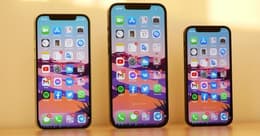
  • Display Technology and Size: Both the iPhone 12 Mini and iPhone 14 Plus feature Super Retina XDR OLED displays, providing deep blacks, vibrant colours, and excellent contrast. [1, 3, 5, 9] The primary difference lies in their physical dimensions: the iPhone 12 Mini has a compact 5.4-inch screen, ideal for one-handed use, while the iPhone 14 Plus boasts a expansive 6.7-inch display, offering a more immersive viewing area for media consumption and productivity. [1, 3, 5, 8, 21]
  • Resolution and Clarity: The iPhone 12 Mini offers a resolution of 2340 x 1080 pixels at 476 pixels per inch (ppi), providing a very sharp image. [3, 9] The iPhone 14 Plus has a resolution of 2778 x 1284 pixels at 458 ppi. [1, 8] Both displays deliver crisp text and detailed images, with the pixel density ensuring clarity on both screen sizes.
  • Brightness and Refresh Rate: Both models achieve a peak brightness of 1200 nits for HDR content. The iPhone 14 Plus offers a slightly higher typical maximum brightness of 800 nits compared to the iPhone 12 Mini's 625 nits, which can improve visibility in bright outdoor conditions. [1, 3, 5, 8] Both devices feature a standard 60Hz refresh rate, providing a smooth experience for most daily interactions, though not the higher refresh rates found in some other smartphones. [2, 20]

Resolution

1080 x 2340

1284 x 2778

Screen type

Super Retina XDR OLED

Super Retina XDR OLED

Audiovisual

The camera systems on both iPhones are designed to capture high-quality photos and videos, with the newer model introducing several enhancements.

  • Camera System Capabilities: Both the iPhone 12 Mini and iPhone 14 Plus feature a dual 12-megapixel camera system on the rear, comprising a wide and an ultra-wide lens. [1, 2, 14] The iPhone 14 Plus introduces a main camera with a larger sensor and a wider aperture (f/1.5) compared to the iPhone 12 Mini's f/1.6, along with sensor-shift optical image stabilisation. [1, 22] This hardware difference allows the iPhone 14 Plus to gather more light, leading to improved performance, especially in challenging lighting conditions.
  • Photography Performance: The iPhone 14 Plus benefits from Apple's Photonic Engine, an enhanced image pipeline that improves mid-to-low light performance across all cameras. [29] This results in more detailed and brighter photos in less-than-ideal lighting compared to the iPhone 12 Mini, which also features Night mode but with less advanced processing. Both phones offer excellent everyday photography with natural colour reproduction and good dynamic range. [19, 27, 36]
  • Video Recording and Audio: Both devices are capable of recording 4K video at up to 60 frames per second, including Dolby Vision HDR video. [2, 19, 36] The iPhone 14 Plus offers improved video stabilisation, particularly with its Action mode, which is designed for smoother footage during movement. [21] Both provide clear audio recording for videos and calls, with Apple's microphones generally delivering good quality.

Main camera

12 megapixels

12 megapixels

Front camera

12 megapixels

12 megapixels

Miscellaneous

Beyond core features, several practical elements contribute to the overall user experience and daily convenience of these smartphones.

  • Connectivity Options: Both the iPhone 12 Mini and iPhone 14 Plus support 5G cellular connectivity, offering faster download and upload speeds where available. [2, 6] They also support current Wi-Fi standards and Bluetooth for wireless accessories. Both models utilise MagSafe for magnetic attachment of accessories and wireless charging. [10]
  • Port Types and Sensors: Both devices continue to use the Lightning port for charging and data transfer. They both feature Face ID for secure facial recognition. [14] The iPhone 14 Plus introduces advanced safety features such as Crash Detection and Emergency SOS via Satellite (available in select regions), which can automatically alert emergency services in critical situations. [8, 29]
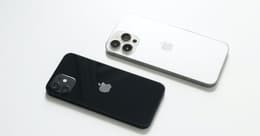
  • Physical Design and Handling: The iPhone 12 Mini is notably compact and lightweight, measuring 131.5 x 64.2 x 7.4 mm and weighing 135 grams, making it ideal for users who prefer a small device that is easy to handle with one hand and carry in a pocket. [3, 30] The iPhone 14 Plus, at 160.8 x 78.1 x 7.8 mm and 203 grams, offers a larger screen experience but requires two hands for comfortable operation for many users. [1, 21] Both feature an aluminium frame and glass back.

Weight

133 oz

203 oz

Screen size (in)

5.4

6,7

Network

5G

5G

SIM card

Physical SIM + eSIM

Physical SIM + eSIM

Carrier compatibility

Unlocked

Unlocked

Connector

Lightning

Lightning

The iPhone 12 Mini and iPhone 14 Plus cater to distinct user needs, primarily differentiated by their size, battery life, and generational advancements. Users frequently praise the iPhone 12 Mini for its unique compact form factor, making it one of the few modern smartphones that can be comfortably used with one hand and easily carried. [18, 19, 30] However, a common criticism revolves around its battery life, which many users find insufficient for a full day of heavy use. [2, 19, 28, 34, 35]

Conversely, the iPhone 14 Plus is widely lauded for its exceptional battery endurance, often cited as one of the best in Apple's lineup, capable of lasting well over a day for many users. [23, 25, 26, 32, 37] Its large display is also a significant draw for those who enjoy media consumption or require more screen real estate. Some users note that while the 14 Plus offers a larger screen, its 60Hz refresh rate is a point of comparison with other devices that offer higher refresh rates. [20, 23]

Users prioritizing a highly portable device that fits easily into smaller hands and pockets may find the iPhone 12 Mini well-suited to their needs, especially if their usage is moderate or they have convenient access to charging. For individuals who value a large, immersive display and require extended battery life to get through demanding days without worrying about recharging, the iPhone 14 Plus presents a compelling option. It also offers more recent camera enhancements and additional safety features.

Both models, whether new or as a quality-assured refurbished option, provide access to the robust Apple ecosystem. Choosing between them ultimately depends on whether a compact, pocketable design or a large screen with superior battery longevity aligns best with individual daily usage patterns.

See all articles

Our recent comparisons