Compare models
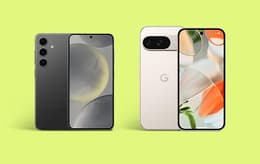
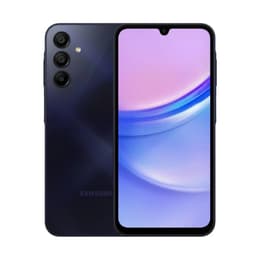
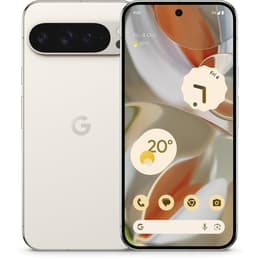
Galaxy A15 5G vs Google Pixel 9 Pro
- 1-year warranty
- Free standard shipping
- Free 30-day returns
Differences at a glance
The Samsung Galaxy A15 5G (2023) and the Google Pixel 9 Pro (2024) are distinct Android smartphones tailored for entirely different segments of the mobile market. While the Samsung model focuses on core everyday reliability, the Google device offers an advanced flagship feature set. Both run on the Android operating system, though they deliver contrasting hardware capabilities and software ecosystems.
Available Models
Colour
Storage
Scores
Durability
When examining longevity and hardware endurance, both devices offer solid software backing, though they approach long-term support through different tier levels and build configurations.
- Software Support: The Samsung model provides multi-year security patches, while the Google device delivers an extended commitment of up to seven years of operating system upgrades and security updates.
- Build and Repairability: The Google flagship utilizes premium reinforced glass and metal materials with an official water-resistance rating, whereas the Samsung option relies on a structured plastic build with standardized component repair access.
- Expected Lifespan: Both smartphones maintain steady daily utility over several years, though the Google alternative includes hardware headroom designed to accommodate heavier system updates over time.
Release year
2023
2024
Compatible with latest Update
Yes
Yes
Operating system
Android
Android
Foldable
No
No
Performance
Multitasking capabilities and processing speeds vary notably, reflecting the distinct hardware tiers of each device for everyday apps and demanding tasks.
- System Responsiveness: The Google alternative handles intensive multitasking, complex applications, and demanding mobile games with seamless efficiency, while the Samsung model manages routine tasks like messaging and web browsing reliably.
- Memory and Storage: The Google device comes equipped with a large capacity of RAM to keep numerous background apps active simultaneously, whereas the Samsung option offers expandable storage via a memory card slot alongside standard internal capacities.
- Battery Behavior: Both models easily navigate a standard day of moderate use, with power management systems adapting to screen time and background activity to preserve remaining charge.
Screen quality
Display characteristics differ significantly in panel technology, sharpness, and motion fluidity, directly impacting the overall viewing experience.
- Display Technology: The Samsung model features a vibrant Super AMOLED panel with deep contrast levels, while the Google device utilizes an advanced adaptive OLED screen capable of adjusting its refresh rate dynamically.
- Brightness and Outdoor Clarity: The Google flagship achieves high peak outdoor luminance levels for clear visibility under direct sunlight, while the Samsung display maintains comfortable readability during standard daytime use.
- Refresh Rate: The Google option delivers smooth motion scrolling and fluid animations via a higher refresh rate ceiling, whereas the Samsung model operates at a fixed moderate refresh rate.
Resolution
1080x2340
1280x2856
Audiovisual
Media creation and audio playback capabilities reflect each device's intended tier, ranging from multi-lens versatility to everyday capture tools.
- Camera Systems: The Google device incorporates a versatile triple-lens array featuring a dedicated telephoto zoom and advanced computational photography software, whereas the Samsung model utilizes a reliable primary sensor paired with basic utility lenses.
- Low-Light and Video: The Google flagship records stable video and captures detailed low-light imagery through automated processing, while the Samsung alternative handles standard daytime snapshots effectively.
- Audio and Media Output: Both devices deliver clear sound for calls and media consumption, with the Samsung option retaining a traditional wired headphone jack alongside its built-in speaker.
Front camera
13 megapixels
42 megapixels
Miscellaneous
Physical dimensions and connectivity standards shape how each smartphone integrates into daily routines and travel environments.
- Connectivity Standards: Both models support modern 5G cellular networks, Wi-Fi standards, and Bluetooth pairing for seamless accessory connection.
- Physical Dimensions: The Samsung device offers a slightly larger form factor with a textured rear grip, whereas the Google flagship features a compact, balanced chassis that rests comfortably in one hand.
- Security and Biometrics: Both options provide secure biometric authentication through integrated fingerprint sensors and facial recognition capabilities.
Weight
200 oz
199 oz
Screen size (in)
6.5
6.3
Network
5G
5G
SIM card
Physical SIM
Physical SIM + eSIM
Carrier compatibility
Unlocked
Unlocked
What the community thinks
Users prioritizing advanced computational photography, premium display responsiveness, and long-term software commitments frequently gravitate toward the Google Pixel 9 Pro. Conversely, users prioritizing core everyday functions, expandable storage flexibility, and straightforward usability often find the Samsung Galaxy A15 5G well-suited to their needs. Exploring a quality-assured refurbished option through Back Market can also provide a sustainable choice for acquiring either device without compromising on performance reliability.