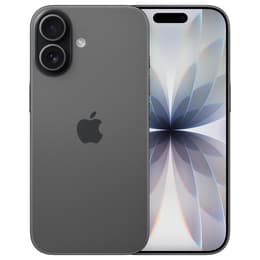

Compare models
Google Pixel 8 Pro vs iPhone 17
- 1-year warranty
- Free standard shipping
- Free 30-day returns
Differences at a glance
The Google Pixel 8 Pro (2023) and the Apple iPhone 17 (2025) represent two distinct approaches to high-end smartphone design, operating systems, and user ecosystems. While the Pixel 8 Pro runs on Android with an emphasis on integrated artificial intelligence features, the iPhone 17 operates on iOS and introduces updated internals and display technologies. These devices cater to different preferences in everyday mobile technology without relying on promotional claims.
Available Models
Colour
Storage (GB)
Scores
Durability
When evaluating longevity and build support, both devices provide extended software lifecycles, though their release timelines and ecosystem updates differ.
- Software Support Window: The Google Pixel 8 Pro offers a commitment of seven years of full operating system and security updates from its 2023 launch, while the iPhone 17 benefits from Apple's long-standing tradition of multi-year iOS support starting from its 2025 release.
- Repairability and Build: Both smartphones utilize robust glass and metal construction designed to withstand daily wear, though repair availability varies between authorized service networks for iOS and Android hardware.
- Expected Practical Lifespan: Thanks to capable internal hardware and sustained software updates, both models maintain reliable usability over several years of ownership.
Release year
2023
2025
Compatible with latest Update
Yes
Yes
Operating system
Android
iOS
Foldable
No
No
Performance
Daily operation, multitasking, and battery management differ significantly due to varying hardware architectures and operating system optimisations.
- Multitasking and App Handling: The Google Pixel 8 Pro features ample random access memory to handle demanding background tasks smoothly, while the iPhone 17 relies on tightly integrated hardware and software efficiency to switch rapidly between intensive applications.
- Storage Configurations: Both devices offer multiple storage tiers to accommodate large media libraries, applications, and offline files without supporting expandable memory cards.
- Battery Behavior: The Pixel 8 Pro incorporates a large battery capacity designed to sustain a full day of mixed use, whereas the iPhone 17 achieves comparable daily endurance through processor power efficiency and optimised operating system background management.
Screen quality
Display characteristics shape media consumption, outdoor legibility, and everyday visual interactions on both handsets.
- Display Technology and Size: The Google Pixel 8 Pro features a large flat OLED screen measuring 6.7 inches with high pixel density, whereas the iPhone 17 uses a compact 6.3-inch OLED panel.
- Refresh Rate and Smoothness: Both models support adaptive refresh rates scaling up to 120 hertz, ensuring fluid scrolling through web pages, documents, and supported applications.
- Outdoor Brightness: High peak brightness levels on both screens allow content to remain clearly visible even under direct sunlight.
Audiovisual
Optics and media recording systems vary in lens configuration and processing style to suit different photography preferences.
- Camera Array: The Pixel 8 Pro equips a triple-lens setup including a dedicated telephoto lens with optical zoom, while the iPhone 17 employs a dual-lens system utilising high-resolution sensors to deliver versatile optical-quality zoom options.
- Video Recording: Both phones capture stable, high-resolution video with clear audio input from built-in microphone arrays, suitable for casual recording and content creation.
- Media Playback: Built-in stereo speakers on both devices deliver balanced audio output for hands-free calls, podcasts, and video viewing.
Front camera
10.5 megapixels
18 megapixels
Miscellaneous
Physical dimensions, connectivity standards, and daily handling practicalities separate the two user experiences.
- Size and Weight: The Pixel 8 Pro is a larger, heavier device suited for users who prefer expansive screen real estate, whereas the iPhone 17 offers a lighter, more compact form factor that is easier to handle with one hand.
- Port Type and Connectivity: Both models use the universal USB-C standard for wired charging and data transfer alongside modern wireless connectivity standards including 5G and recent Wi-Fi generations.
- Security Sensors: Each device provides secure biometric authentication options through facial recognition and integrated fingerprint sensing methods.
Weight
213 oz
177 oz
Screen size (in)
6.7
6.3
Network
5G
5G
SIM card
Physical SIM + eSIM
Physical SIM + eSIM
Carrier compatibility
Unlocked
Unlocked
Connector
USB-C
USB-C
What the community thinks
User discussions across community forums highlight distinct preferences for each device. Owners of the Google Pixel 8 Pro frequently praise its clean software interface, versatile telephoto zoom lens, and expansive display estate. Conversely, iPhone 17 users commonly note appreciation for its fluid system navigation, compact handling, and reliable daily battery efficiency. Some discussions point out that the Pixel's larger footprint can feel heavy during prolonged one-handed use, while others mention that the iPhone ecosystem has a steeper learning curve for users switching from Android.
Users who prioritize a larger screen, a dedicated optical zoom lens, and deep integration with Google services will find the Pixel 8 Pro well-suited to their workflow. On the other hand, users who prefer a lighter, more compact handset with seamless iOS integration and efficient multitasking will lean toward the iPhone 17. Choosing a quality-assured refurbished option through platforms like Back Market provides an eco-friendly way to access these technologies while reducing electronic waste. Ultimately, the decision depends on which operating system and physical dimensions align best with your daily habits.