
Compare models

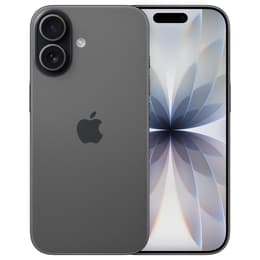
Google Pixel 7 vs iPhone 17

  • 1-year warranty
  • Free standard shipping
  • Free 30-day returns
Google Pixel 7
Starting at

Refurbished price:A$301.00

Versus A$879.00 new

See options
iPhone 17
Starting at

Refurbished price:A$1,229.00

Versus A$1,549.00 new

See options

Differences at a glance

The Google Pixel 7 (2022) and the Apple iPhone 17 (2025) represent different generations and ecosystems in the smartphone market. While the Google Pixel 7 runs on the Android operating system with a focus on smart software integration, the iPhone 17 operates on iOS and features newer hardware capabilities. These devices differ significantly in their release timelines, software foundations, and underlying technologies, catering to users with distinct platform preferences.

Available Models

Colour

Storage

Scores

Durability

When evaluating hardware longevity and software support, these two smartphones reflect their different release windows, with the iPhone 17 benefiting from a more recent launch date. Both models feature durable build materials like robust glass and aluminum frames, alongside high water and dust resistance ratings.

  • Software Support Timeline: The iPhone 17 benefits from a later release year, ensuring extended operating system updates, whereas the Google Pixel 7 operates on an established update schedule spanning several years.
  • Repairability and Build: Both manufacturers provide structured repair frameworks, with standard repair scores reflecting common industry practices for modern sealed smartphones.
  • Practical Lifespan: Users can expect reliable multi-year daily operation from both devices, though the newer model naturally extends overall support longevity.

Release year

2022

2025

Compatible with latest Update

Yes

Yes

Foldable

No

No

Performance

Performance capabilities vary noticeably due to the generational gap between the two processors, influencing how each device handles demanding workloads, memory management, and power efficiency during daily use.

  • System Responsiveness: The iPhone 17 features a current-generation processor that handles resource-heavy apps and multitasking with high speed, while the Google Pixel 7 manages everyday tasks, web browsing, and standard applications smoothly.
  • Storage and Memory: Storage configurations differ across platforms, with the iPhone 17 starting at higher baseline capacities, whereas the Google Pixel 7 offers dependable mid-tier storage tiers suited for average media libraries.
  • Battery Behavior: Battery optimization ensures both devices handle a standard day of mixed use, though charging speeds and power draw profiles vary between the Android and iOS architectures.

Screen quality

Display technologies on both devices deliver sharp visuals, though they differ in refresh rates, peak brightness capabilities, and overall panel responsiveness during fast-paced viewing.

  • Display Technology: The iPhone 17 utilizes an advanced OLED panel with high pixel density and fluid high-refresh-rate capabilities, while the Google Pixel 7 employs a responsive OLED screen with a standard high refresh rate.
  • Outdoor Visibility: High peak brightness levels on the iPhone 17 assist with legibility under direct sunlight, matching the capable bright-light performance found on the Google Pixel 7 display.
  • Viewing Experience: Both screens offer deep contrast levels and vibrant color reproduction suitable for streaming media, reading, and photo gallery navigation.

Audiovisual

Imaging hardware and computational photography play a major role in how each phone captures everyday moments, records video, and handles media output.

  • Camera Systems: The iPhone 17 equips dual high-resolution rear sensors for detailed wide and ultra-wide shots, while the Google Pixel 7 relies on its established main sensor paired with advanced computational image processing.
  • Video and Audio: Video recording on the iPhone 17 supports high stabilization and clarity, complemented by clear microphone output for calls, matching the reliable audio recording performance of the Google Pixel 7.
  • Media Consumption: Built-in stereo speakers on both handsets provide balanced audio output for hands-free calls, casual video watching, and music playback.

Front camera

10.8 megapixels

18 megapixels

Miscellaneous

Physical handling, connectivity standards, and daily convenience features define the ergonomic and functional differences between these two devices.

  • Connectivity and Ports: Both models support fast 5G cellular networks and modern Wi-Fi protocols, utilizing a reversible USB-C port for charging and data transfer.
  • Security and Sensors: The Google Pixel 7 uses an under-display optical fingerprint scanner alongside facial recognition, while the iPhone 17 relies on secure facial authentication sensors housed within the display layout.
  • Physical Dimensions: Dimensions and weights differ slightly, influencing pocketability and one-handed reach depending on user hand size and preference for lightweight builds.

Weight

212 oz

177 oz

Screen size (in)

6.3

6.3

SIM card

Physical SIM + eSIM

Physical SIM + eSIM

Carrier compatibility

Unlocked

Unlocked

What the community thinks

User discussions across community forums highlight distinct preferences for each device based on operating system familiarity and hardware priorities. Owners of the Google Pixel 7 frequently praise its clean software interface, reliable everyday usability, and capable computational photo features. At the same time, some users note that battery endurance under heavy gaming can be demanding. Conversely, discussions surrounding the iPhone 17 often emphasize its smooth display fluidity, robust build quality, and strong processor longevity, though users transitioning between operating systems note the adjustment curve inherent to switching platforms.

Users prioritizing a customizable Android experience with deep intelligent software integrations will find the Google Pixel 7 well-suited to their workflow. Meanwhile, users looking for an integrated Apple ecosystem experience, extended software support windows, and high display responsiveness may prefer the iPhone 17. For those exploring sustainable hardware choices, a quality-assured refurbished option provides a reliable and eco-friendly alternative for acquiring either device without buying brand new.