
Google Pixel 7 Pro vs iPhone 11

Google Pixel 7 Pro
Google Pixel 7 Pro
Starting at

Refurbished price:A$433.00

Versus A$1,379.00 new

See options
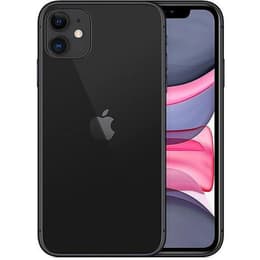
iPhone 11
iPhone 11
Starting at

Refurbished price:A$246.00

Versus A$769.00 new

See options

Ratings

The Google Pixel 7 Pro, released in October 2022, and the iPhone 11, launched in September 2019, represent different generations and ecosystems within the smartphone market. While the Pixel 7 Pro operates on Android and showcases Google's latest advancements in computational photography and artificial intelligence, the iPhone 11 runs on Apple's iOS, offering a streamlined user experience. The primary differentiators lie in their display technology, camera systems, and overall performance capabilities, reflecting the technological progress over their respective release periods.

Scores

Durability

When considering the practical lifespan of these devices, several factors come into play, including software support and physical durability.

  • Software Longevity: The Google Pixel 7 Pro launched with Android 13 and is set to receive five years of major OS upgrades and security updates, extending its support until 2027. The iPhone 11, released with iOS 13, has received updates up to iOS 18 (as of September 2024) and is expected to continue receiving updates for approximately 5-6 years from its release, potentially supporting iOS 26. This means the Pixel 7 Pro offers a longer guaranteed software support window from the current date.
  • Physical Durability: Both devices feature an IP68 rating for water and dust resistance, indicating they can withstand submersion in water up to 2 meters for 30 minutes for the iPhone 11 and 1.5 meters for 30 minutes for the Pixel 7 Pro. The Pixel 7 Pro incorporates Gorilla Glass Victus for enhanced screen protection, while the iPhone 11 uses dual-ion exchange-strengthened glass.
  • Repairability: While specific repairability scores can vary, both devices are designed with modern smartphone construction, which often involves specialized tools and expertise for repairs. Users considering a refurbished option for either model can benefit from devices that have undergone professional restoration to ensure quality and functionality.

Release year

2022

2019

Compatible with latest Update

Yes

Yes

Foldable

No

No

Performance

The performance of a smartphone is crucial for daily tasks, from app usage to multitasking and gaming. These two devices offer distinct experiences based on their internal components.

  • Processing Power: The Google Pixel 7 Pro is equipped with a current-generation processor designed to handle demanding applications, complex AI tasks, and smooth multitasking. This translates to quick app loading times and efficient performance in graphically intensive games. The iPhone 11, while older, features a capable processor that still delivers a responsive experience for everyday use and many popular applications.
  • Multitasking and Responsiveness: With 12 GB of RAM, the Pixel 7 Pro offers substantial capacity for keeping multiple applications open and switching between them without noticeable slowdowns. The iPhone 11 comes with 4 GB of RAM, which was ample for its time and continues to provide a fluid user experience within the iOS ecosystem for typical usage patterns.
  • Battery Behavior: The Pixel 7 Pro houses a 5000 mAh battery, generally providing about 1.5 days of usage for many users, though heavy use might require daily charging. It supports 30W wired fast charging and wireless charging. The iPhone 11 has a 3110 mAh battery, which typically lasts a full day for average users. It supports 18W fast charging, capable of reaching 50% charge in approximately 30 minutes, and also offers wireless charging.

Memory (GB)

12 GB

4 GB

Screen quality

The display is a primary interface for smartphone interaction, and these two models offer different visual experiences.

  • Display Technology and Resolution: The Google Pixel 7 Pro features a 6.7-inch LTPO AMOLED display with a QHD+ resolution of 3120 x 1440 pixels, resulting in a high pixel density of 512 ppi. This provides sharp, detailed visuals with deep blacks and vibrant colors. The iPhone 11 has a 6.1-inch Liquid Retina HD display, which is an IPS LCD panel with a resolution of 1792 x 828 pixels and a pixel density of 326 ppi. While it offers accurate color reproduction, it does not match the contrast or sharpness of an OLED panel.
  • Brightness and Refresh Rate: The Pixel 7 Pro boasts a peak brightness of 1500 nits, making it highly visible even in bright outdoor conditions, and features an adaptive refresh rate that can go up to 120Hz for smoother scrolling and animations. The iPhone 11 offers a maximum brightness of 625 nits and a standard 60Hz refresh rate.
  • Viewing Experience: Users prioritizing a larger, more immersive display with higher resolution, greater brightness, and smoother motion will find the Pixel 7 Pro's screen more advanced. The iPhone 11's display, while still providing a good viewing experience for most content, offers a more traditional LCD experience.

Resolution

1440 x 3120

828 x 1792

Screen type

LTPO AMOLED

Liquid Retina IPS LCD

Audiovisual

Both smartphones offer capable camera systems, but they differ significantly in their hardware and computational photography approaches.

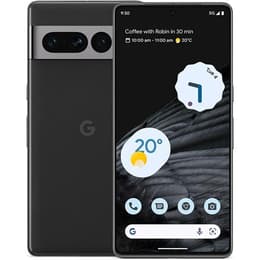
  • Rear Camera Systems: The Google Pixel 7 Pro features a versatile triple-camera setup on the rear: a 50MP main sensor with optical image stabilization (OIS), a 12MP ultrawide lens with autofocus, and a 48MP telephoto lens offering 5x optical zoom and OIS. This allows for a wide range of photographic possibilities, including detailed long-range shots. The iPhone 11 comes with a dual-camera system, comprising a 12MP wide-angle lens with OIS and a 12MP ultrawide lens.
  • Photography Features: The Pixel 7 Pro excels in computational photography with features like Photo Unblur, faster Night Sight, and Cinematic Blur for video. Its main camera captures a significant amount of detail across various lighting conditions. The iPhone 11 introduced significant improvements for its time, including Night Mode for better low-light performance and Deep Fusion for enhanced detail in medium-light conditions.
  • Video Recording and Front Camera: Both devices are capable of recording 4K video at up to 60 frames per second. The Pixel 7 Pro has a 10.8MP front camera, while the iPhone 11 features a 12MP front camera, both capable of capturing detailed selfies and video calls.

Main camera

50 megapixels

12 megapixels

Front camera

10.8 megapixels

12 megapixels

Miscellaneous

Beyond the core features, several other elements contribute to the overall user experience and functionality of these smartphones.

  • Connectivity: The Google Pixel 7 Pro supports 5G connectivity, Wi-Fi 6E, and Bluetooth 5.2, offering faster wireless speeds and more reliable connections. The iPhone 11 supports 4G LTE, Wi-Fi 6, and Bluetooth 5.0. It does not have 5G capabilities. Both include NFC for mobile payments and an Ultra Wideband chip for spatial awareness.
  • Ports and Biometrics: The Pixel 7 Pro uses a USB-C 3.1 port for charging and data transfer and features an under-display fingerprint sensor along with face unlock. The iPhone 11 utilizes Apple's proprietary Lightning port and relies solely on Face ID for biometric authentication. Neither device includes a traditional 3.5mm headphone jack.
  • Design and Build: The Pixel 7 Pro has an aluminum frame with a glass back, weighing 212g and measuring 162.9 x 76.6 x 8.9 mm. The iPhone 11 also features an aluminum frame and glass back, weighing 194g and measuring 150.9 x 75.7 x 8.3 mm. The Pixel 7 Pro's camera bar design is a distinctive visual element.

Weight

212 oz

194 oz

Screen size (in)

67

6.1

SIM card

Physical SIM + eSIM

Physical SIM + eSIM

Carrier compatibility

Unlocked

Unlocked

Connector

USB-C

Lightning

User sentiment for the Google Pixel 7 Pro often highlights its exceptional camera capabilities, particularly its advanced computational photography features and versatile zoom options. Users also appreciate its vibrant, high-refresh-rate display and the clean Android experience with exclusive Google AI features. Some common criticisms include battery life that, while generally good, may not always meet the expectations set by its large capacity compared to some competitors, and charging speeds that are not the fastest available.

The iPhone 11 is frequently praised for its robust performance, even years after its release, and its consistent software updates that extend its usability. Users often commend its reliable camera system, especially the introduction of Night Mode, which significantly improved low-light photography for its generation. A common point of discussion, however, is its LCD display, which, while good, lacks the deep blacks and contrast of OLED panels found in more recent or premium devices.

Users prioritizing a cutting-edge camera system with advanced zoom, a high-resolution OLED display with a fast refresh rate, and the latest Android features will find the Google Pixel 7 Pro well-suited to their needs. It offers a modern flagship experience with a strong emphasis on AI-driven functionalities. Conversely, users seeking a dependable device within the Apple ecosystem, with a proven track record of software longevity and solid performance for everyday tasks, may lean toward the iPhone 11. It remains a capable device for those who value a consistent iOS experience and a good camera for general photography. Both models are available as quality-assured refurbished options, providing an eco-friendly alternative for consumers.