Compare models
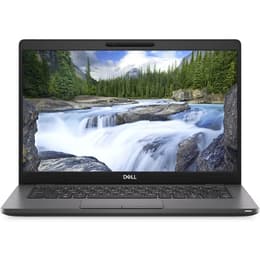
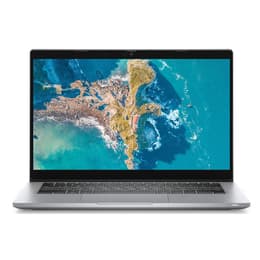
Dell Latitude 5300 13" vs Dell Latitude 5320 13"
- 1-year warranty
- Free standard shipping
- Free 30-day returns
Differences at a glance
The Dell Latitude 5300 (2019) and the Dell Latitude 5320 (2021) are 13-inch business-class laptops designed for everyday productivity, remote work, and mobile use. While both models feature professional form factors and durable enclosures, the newer model introduces an updated processor generation, enhanced port selection, and refined internal architecture that distinguish it from its predecessor. Both devices typically run Windows operating systems, providing familiar software environments for office tasks, education, and professional deployment. This comparison outlines practical differences to help you choose the right model for your daily workflow.
Scores
Durability
When evaluating hardware longevity and software support, both laptops offer solid business-grade reliability, though their release timelines impact total lifespan expectations.
- Release timeline and support: The Latitude 5320 benefits from a newer release year, meaning it receives firmware and driver updates from the manufacturer for a longer period compared to the older Latitude 5300.
- Repairability and build: Both units feature modular internal components and accessible layouts that facilitate straightforward maintenance and component replacement by technicians.
- Expected lifespan: Users can expect dependable multi-year service from either device, with the Latitude 5320 offering a slightly extended window for modern operating system compatibility.
Release year
2019
2021
Last Os Compatibility
Yes
Yes
Operating system
Windows 11
Windows 11
Performance
Performance capabilities scale according to internal generation updates, impacting how smoothly each machine handles demanding tasks and multitasking.
- Everyday responsiveness: Both laptops handle web browsing, document editing, and video conferencing efficiently, but the newer processor generation in the Latitude 5320 manages heavier workloads and complex multitasking with greater speed.
- Memory architecture: The Latitude 5300 uses traditional upgradeable memory sticks, whereas the Latitude 5320 features integrated memory soldered directly to the motherboard, meaning multitasking capacity must be chosen at the time of purchase.
- Storage and loading: Both models utilize fast solid-state drive technology that ensures rapid system boot times and swift application launch speeds.
Graphic card
Integrated Graphics
Intel Iris Xe Graphics
Screen quality
Display configurations on these 13-inch devices prioritize clarity and anti-glare properties for productive working environments.
- Panel technology: Both laptops offer high-definition or full high-definition display options with wide viewing angles, though configurations with higher brightness levels provide better visibility near bright windows.
- Visual comfort: The newer model incorporates advanced hardware-level low blue light reduction in select panels to minimize eye strain during extended reading and spreadsheet work.
- Surface treatment: Matte anti-glare coatings on both screens minimize distracting reflections from overhead office lighting or natural sunlight.
Screen type
IPS
LCD
Audiovisual
Media consumption, communication features, and peripheral output capabilities vary slightly between these consecutive generations.
- Video conferencing: Both laptops include integrated webcams and clear microphone arrays suitable for virtual meetings, with the newer model offering optional high-definition sensor upgrades for sharper image clarity.
- Audio output: Built-in stereo speakers deliver adequate sound for voice calls and casual media playback, though external headphones or speakers provide richer depth for music.
- External display support: Both models easily connect to external monitors for expanded desktop workspace during office or home setups.
Miscellaneous
Physical dimensions, weight distribution, and connectivity options dictate how easily each laptop integrates into a mobile lifestyle.
- Port selection: The Latitude 5300 retains legacy connection ports alongside USB Type-C, while the Latitude 5320 adopts modern high-speed universal connection ports that handle data transfer, display output, and power delivery simultaneously.
- Dimensions and weight: Both machines maintain a compact footprint under 1.4 kilograms, fitting comfortably into backpacks and small travel bags for commuters and students.
- Wireless capabilities: The newer model includes updated wireless communication standards for faster and more stable connections on modern enterprise and home networks.
Weight
1330 oz
1320 oz
Screen size
13
13
What the community thinks
User feedback from online communities highlights both laptops for their robust physical construction, comfortable keyboards, and reliable performance in professional and academic settings. Common discussions often note that while the older model provides the benefit of upgradeable memory components, the newer generation is praised for its faster processing speeds and modern connection ports. Choosing a quality-assured refurbished option through Back Market offers a sustainable choice that extends device lifecycles while reducing electronic waste.
Users prioritizing maximum processing speed and modern universal ports may prefer the Dell Latitude 5320, while those who value upgradeable internal memory components may lean toward the Dell Latitude 5300. Evaluating your specific daily requirements for multitasking and connectivity will guide you toward the model that best matches your workflow.