iPhone 11 vs iPhone SE (2020)

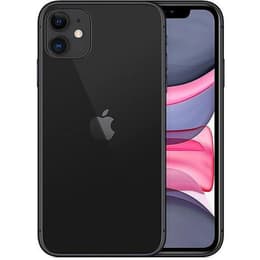
iPhone 11
iPhone 11
Starting at

Refurbished price:A$246.00

Versus A$769.00 new

See options
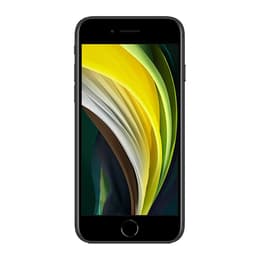
iPhone SE (2020)
iPhone SE (2020)
Starting at

Refurbished price:A$108.00

Versus A$529.00 new

See options

Ratings

The iPhone 11, released in September 2019, and the iPhone SE (2nd generation), launched in April 2020, are both Apple smartphones that share the same powerful internal processing capabilities. While the iPhone SE 2020 arrived slightly later, both devices are powered by the A13 Bionic chip and run on Apple's iOS operating system. Key distinctions between them lie in their physical design, screen size, and camera systems.

Scores

Durability

When considering the longevity of these devices, several factors come into play, including their release timelines, software support, and repairability.

  • Release Timeline and OS Support: The iPhone 11 was released in September 2019, while the iPhone SE 2020 followed in April 2020. Both models are expected to receive major iOS updates until late 2026, likely concluding with iOS 26. Following this, they may continue to receive security patches for an additional year or two, aligning with Apple's typical support cycle of around seven years for major updates.
  • Durability and Water Resistance: The iPhone 11 features an IP68 rating, indicating resistance to water submersion up to 2 meters for 30 minutes. The iPhone SE 2020 has an IP67 rating, meaning it can withstand submersion up to 1 meter for 30 minutes. Both devices feature glass front and back panels, which are noted as being difficult to replace if damaged.
  • Repairability: Both the iPhone 11 and iPhone SE 2020 have received a repairability score of 6 out of 10 from iFixit. The iPhone SE 2020 benefits from sharing many interchangeable components with the iPhone 8, which can potentially simplify some repair processes.

Release year

2019

2020

Compatible with latest Update

Yes

Yes

Operating system

iOS

iOS

Foldable

No

No

Performance

Both the iPhone 11 and iPhone SE 2020 offer robust performance for everyday tasks, largely due to their shared core component.

  • Processing Power: Both devices are equipped with the same current-generation processor, enabling them to handle demanding applications, graphics-intensive games, and multitasking with similar efficiency. This shared chip ensures a responsive user experience across a wide range of activities.
  • Memory and Storage: The iPhone 11 comes with 4GB of RAM, while the iPhone SE 2020 features 3GB of RAM. For most users, this difference in memory may not be significantly noticeable in daily use, but those who frequently switch between many open applications might observe a slight advantage in multitasking fluidity on the iPhone 11. Both models are available with 64GB, 128GB, or 256GB of internal storage.
  • Battery Behavior: The iPhone 11 generally offers longer battery life compared to the iPhone SE 2020, attributed to its larger physical battery capacity. Users of the iPhone 11 can typically expect it to last through a full day of moderate to heavy use. The iPhone SE 2020, with its smaller battery, may require more frequent charging, especially for heavy users or those who stream a lot of video or play games.

Memory (GB)

4 GB

3 GB

Screen quality

The display experience is a primary differentiator between these two iPhone models, impacting how users interact with content.

  • Display Technology and Size: Both devices feature Liquid Retina IPS LCD displays, known for their color accuracy and wide viewing angles. The iPhone 11 has a larger 6.1-inch display, offering a more expansive viewing area. In contrast, the iPhone SE 2020 has a more compact 4.7-inch display, appealing to users who prefer a smaller form factor.
  • Resolution and Brightness: Both screens offer a pixel density of 326 pixels per inch (ppi), resulting in clear and sharp visuals for typical viewing distances. They also share a typical maximum brightness of 625 nits, providing adequate visibility in various lighting conditions, including outdoors.
  • Refresh Rate and Features: Both the iPhone 11 and iPhone SE 2020 feature a standard 60Hz refresh rate. This means the screen updates 60 times per second. Both displays include True Tone technology, which adjusts the screen's white balance to match the ambient light, and support for a wide color gamut (P3) for accurate color reproduction. They also incorporate Haptic Touch for contextual actions.

Resolution

828 x 1792

750 x 1334

Screen type

Liquid Retina IPS LCD

Retina IPS LCD

Audiovisual

The camera systems on the iPhone 11 and iPhone SE 2020 offer distinct capabilities, catering to different photography and videography needs.

  • Rear Camera System: The iPhone 11 features a dual-camera setup with a 12MP wide lens (f/1.8) and a 12MP ultrawide lens (f/2.4), providing versatility for capturing different perspectives. It includes advanced features like Night mode for improved low-light photography, Deep Fusion for enhanced detail, and next-generation Smart HDR. The iPhone SE 2020 has a single 12MP wide lens (f/1.8). While it supports Smart HDR and Portrait mode with Depth Control, it lacks the ultrawide lens and Night mode found on the iPhone 11. Both offer optical image stabilization for their main wide lenses.
  • Front Camera and Video: The iPhone 11 is equipped with a 12MP front camera, while the iPhone SE 2020 has a 7MP front camera. Both devices are capable of recording 4K video at up to 60 frames per second with their rear cameras. The iPhone 11's ultrawide lens provides more creative options for video capture. In low-light video, the iPhone SE 2020's performance is noted to be less robust than the iPhone 11, though it improves at 1080p 30fps.
  • Audio Experience: Both smartphones are equipped with stereo speakers, providing a more immersive audio experience for media consumption and calls.

Main camera

12 megapixels

12 megapixels

Front camera

12 megapixels

7 megapixels

Miscellaneous

Beyond core features, several practical elements differentiate the user experience of the iPhone 11 and iPhone SE 2020.

  • Connectivity and Ports: Both devices support Gigabit-class LTE for fast cellular data, Wi-Fi 6 (802.11ax) for efficient wireless internet, and Bluetooth 5.0 for accessories. Neither model supports 5G connectivity. The iPhone 11 also includes an Ultra Wideband chip for enhanced spatial awareness. Both phones utilize Apple's proprietary Lightning connector for charging and data transfer, and neither includes a 3.5mm headphone jack.
  • Biometric Security: The iPhone 11 relies on Face ID for secure authentication, using facial recognition technology. The iPhone SE 2020 features Touch ID, an integrated fingerprint sensor within its physical home button. Both devices incorporate a range of other sensors, including an accelerometer, gyroscope, compass, barometer, and ambient light sensor.
  • Physical Design and Handling: The iPhone 11 measures 150.9 x 75.7 x 8.3 mm and weighs 194 grams, offering a larger footprint and screen-to-body ratio. The iPhone SE 2020 is more compact and lighter at 138.4 x 67.3 x 7.3 mm and 148 grams, making it easier for one-handed use and pocketability. Both are constructed with a glass front and back, framed by aluminum.

Weight

194 oz

148 oz

Screen size (in)

6.1

4.7

Network

4G

4G

SIM card

Physical SIM + eSIM

Physical SIM + eSIM

Carrier compatibility

Unlocked

Unlocked

Connector

Lightning

Lightning

User feedback often highlights the iPhone 11's strengths in its larger display and more versatile dual-camera system, particularly the inclusion of an ultrawide lens and Night mode, which enhance photography in various conditions. Its generally longer battery life is also a frequently praised aspect, allowing for extended use throughout the day. Some users, however, note its larger size as a potential drawback for one-handed operation.

The iPhone SE 2020 is often commended for its compact form factor, which appeals to those preferring a smaller device that is easy to handle and carry. The return of the physical home button with Touch ID is another point of praise for users who prefer this method of authentication over facial recognition. Criticisms often revolve around its smaller battery capacity, which can lead to more frequent charging, and its single rear camera, which lacks the ultrawide capabilities and Night mode of the iPhone 11.

Users prioritizing a larger screen for media consumption, a more advanced and versatile camera system with low-light capabilities, and longer battery endurance may find the iPhone 11 better suited to their needs. Conversely, individuals who value a compact design, a physical home button with Touch ID, and a device that is easy to operate with one hand will likely lean towards the iPhone SE 2020. Both devices offer solid performance for everyday tasks thanks to their shared processor.

Choosing a refurbished option for either model offers an eco-friendly and quality-assured alternative, providing access to these capable smartphones while supporting sustainable consumption.
See all articles

Our recent comparisons