Compare models
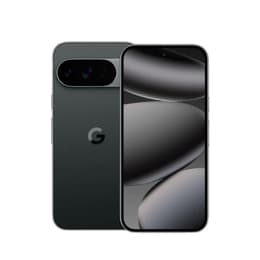
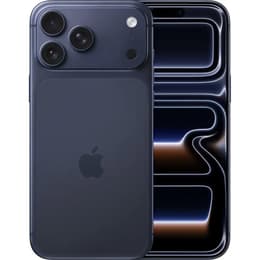
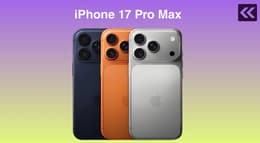
Google Pixel 10 vs iPhone 17 Pro Max
- 1-year warranty
- Free standard shipping
- Free 30-day returns
Differences at a glance
The Google Pixel 10 (2025) and the Apple iPhone 17 Pro Max (2025) represent two distinct flagship approaches within the modern smartphone landscape. While both devices deliver robust performance and advanced connectivity, they cater to different operating system preferences and physical form factors. The Google Pixel 10 runs on Android with deep artificial intelligence integration, whereas the iPhone 17 Pro Max operates on iOS within a large-format titanium build.
Available Models
Colour
Storage
Scores
Durability
Both smartphones provide extended long-term support profiles designed to remain relevant for years of daily use, though their ecosystem update structures differ.
- Software Update Windows: The Google Pixel 10 benefits from an extended multi-year support commitment covering major operating system upgrades, matching the long-term cycle of the iPhone 17 Pro Max.
- Repairability and Build Integrity: Both manufacturers incorporate robust internal frameworks and durable exterior glass, though professional repair networks for both models are widely established globally.
- Expected Lifespan: Thanks to powerful internal components and ample memory capacities, both devices maintain sustained software responsiveness throughout multi-year ownership cycles.
Release year
2025
2025
Operating system
Android
iOS
Foldable
No
No
Performance
Multitasking capabilities and general system fluidity remain swift on both flagships, handling demanding applications and everyday tasks with ease.
- System Responsiveness: Both devices load heavy software and execute background tasks smoothly without noticeable stutter, aided by generous memory allocations.
- Battery Endurance: Each smartphone comfortably sustains a full day of moderate-to-heavy use, though physical size differences dictate the internal battery capacity and overall stamina profile.
- Thermal Efficiency: Sustained performance during extended gaming sessions remains stable due to advanced cooling architectures integrated into both handsets.
Screen quality
Viewing experiences on both displays feature high refresh rates and vibrant color reproduction, though they differ significantly in physical scale.
- Display Technology: Both models utilize advanced OLED panels offering deep black levels, high contrast ratios, and smooth motion handling through a 120 Hz maximum refresh rate.
- Panel Scale: The Google Pixel 10 features a more compact 6.3-inch display suited for one-handed operation, while the iPhone 17 Pro Max offers a sprawling 6.9-inch viewing area for immersive media consumption.
- Outdoor Visibility: High peak brightness levels ensure text and images remain legible under direct sunlight on both screens.
Audiovisual
Photography and video capture suites on both devices deliver professional-grade results across varied lighting conditions.
- Versatile Lens Arrays: Both smartphones incorporate multi-lens configurations including wide, ultra-wide, and telephoto options to accommodate varied framing requirements.
- Low-Light Performance: Advanced image processing sensors capture clear details and balanced exposures in dim environments without excessive grain.
- Video Recording: High-resolution video capture features advanced stabilization systems that keep handheld footage smooth during movement.
Miscellaneous
Practical daily utility features vary between the two models in terms of physical dimensions and accessory ecosystems.
- Physical Handling: The Google Pixel 10 offers a lighter, more pocket-friendly profile, whereas the larger iPhone 17 Pro Max requires two-handed navigation for comfortable reach.
- Connectivity Standards: Both devices support modern 5G networks, fast Wi-Fi protocols, and secure contactless payment options.
- Accessory Integration: Each model incorporates magnetic alignment technology for secure attachment to wireless chargers and compatible mounts.
Weight
204 oz
233 oz
Screen size (in)
6.3
6.9
Network
5G
5G
SIM card
Physical SIM + eSIM
Physical SIM + eSIM
Carrier compatibility
Unlocked
Unlocked
What the community thinks
User feedback indicates that general satisfaction heavily depends on software ecosystem preference and device size. Users prioritizing a compact, lighter form factor with deep conversational artificial intelligence tools often lean toward the Google Pixel 10. Conversely, individuals seeking an expansive display format, extensive media screen real estate, and the iOS environment frequently prefer the iPhone 17 Pro Max. Both options represent top-tier engineering choices depending on personal workflow requirements.
For consumers seeking a sustainable choice, exploring a quality-assured refurbished option provides an eco-friendly alternative that delivers identical daily functionality while reducing electronic waste.