
Compare models

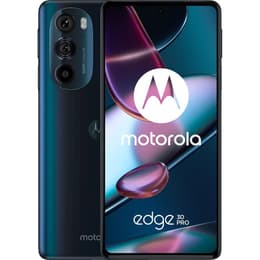
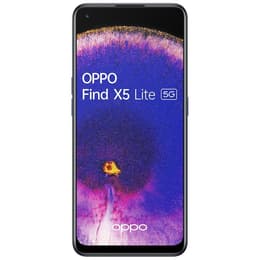
Motorola Edge 30 Pro vs Oppo Find X5 Lite

  • 1-year warranty
  • Free standard shipping
  • Free 30-day returns
Oppo Find X5 Lite
Starting at

Refurbished price:A$270.00

Versus A$965.00 new

See options

Differences at a glance

The Motorola Edge 30 Pro (2022) and the Oppo Find X5 Lite (2022) are mid-to-high-tier smartphones designed to cater to distinct user preferences within the Android ecosystem. While both devices run on the Android operating system and offer modern connectivity features, they diverge significantly in their performance capabilities and hardware focus. Choosing between these two models involves weighing raw processing capability against streamlined everyday utility.

Available Models

Colour

Storage

Scores

Durability

When examining software longevity and physical resilience, both devices provide standard support lifecycles, though their hardware robustness differs slightly.

  • Software Support: Both models receive regular security updates and operating system upgrades typical of their release year, with software lifespans depending on their initial launch dates.
  • Build and Materials: The Motorola Edge 30 Pro utilizes glass front and back panels with a plastic frame, whereas the Oppo Find X5 Lite features a glass front, plastic frame, and a specialized finish on the rear.
  • Repairability: Both handsets adhere to modern manufacturing standards, meaning repairs are best handled by professional service providers to maintain structural integrity.

Release year

2022

2022

Compatible with latest Update

Yes

No

Operating system

Android

Android

Foldable

No

No

Performance

Internal hardware configurations dictate how each phone handles multitasking, gaming, and everyday utility, revealing a clear performance divide between the two models.

  • Processing Power: The Motorola Edge 30 Pro handles demanding apps, heavy multitasking, and high-graphic gaming smoothly thanks to its current-generation processor, while the Oppo Find X5 Lite is tailored for reliable daily tasks and moderate app usage.
  • Storage and Memory: Both devices offer generous internal storage configurations paired with ample memory to keep background applications running without frequent reloading.
  • Battery Behavior: Battery endurance varies under heavy use conditions, though both models support rapid charging technologies to minimize downtime during busy days.

Screen quality

Display characteristics shape the visual experience for media consumption, gaming, and navigation under various lighting conditions.

  • Display Technology: The Motorola Edge 30 Pro features a rapid refresh rate OLED panel that ensures fluid scrolling and responsive touch interactions, while the Oppo Find X5 Lite utilizes a standard refresh rate AMOLED screen focused on vibrant color reproduction.
  • Outdoor Visibility: Both displays offer sufficient peak brightness levels to remain legible under direct sunlight, making outdoor map reading and messaging straightforward.
  • Resolution and Size: Screen dimensions on both handsets provide ample workspace for viewing documents and streaming video, supported by sharp resolutions that render fine text clearly.

Resolution

1080 x 2400

1080 x 2400

Screen type

OLED

AMOLED

Audiovisual

Optics and audio components determine how well each smartphone captures memories and delivers multimedia content during daily use.

  • Camera Systems: The Motorola Edge 30 Pro offers high-resolution primary and ultra-wide lenses alongside a dedicated depth sensor, while the Oppo Find X5 Lite focuses on a balanced triple-lens setup suited for everyday casual photography.
  • Low-Light Performance: Advanced processing algorithms on both devices help reduce noise in dim environments, though results vary depending on stabilization and lighting conditions.
  • Audio and Video: Stereo speakers on the Motorola model provide an immersive soundstage for media playback, whereas the Oppo model relies on a single-speaker setup accompanied by a traditional headphone jack on select regional variants.

Main camera

50 megapixels

64 megapixels

Front camera

60 megapixels

32 megapixels

Miscellaneous

Physical dimensions and connectivity options influence how comfortably each device integrates into a traveler's or professional's daily routine.

  • Connectivity: Both smartphones support fast 5G networks, modern Wi-Fi standards, and Bluetooth pairing for wireless accessories.
  • Biometrics: Security features include responsive biometric authentication methods, such as side-mounted or under-display fingerprint sensors alongside facial recognition options.
  • Ergonomics: Weight distribution and physical dimensions differ slightly, with the Motorola model offering a slightly broader chassis to accommodate its larger screen real estate compared to the slimmer profile of the Oppo model.

Weight

196 oz

173 oz

Screen size (in)

6,7

6,43

Network

5G

5G

SIM card

Dual Physical SIM

Physical SIM

Carrier compatibility

Unlocked

Unlocked

What the community thinks

User feedback from online forums highlights distinct preferences for each device based on daily habits. Owners of the Motorola Edge 30 Pro frequently praise its swift system responsiveness, smooth display fluidity, and capable handling of demanding applications. Conversely, users of the Oppo Find X5 Lite often appreciate its comfortable ergonomics, reliable battery management during lighter tasks, and straightforward interface. Common criticisms for the Motorola model involve higher battery consumption under heavy graphical loads, while Oppo users occasionally note limitations during intensive multitasking sessions.

Users prioritizing processing power, gaming capability, and a high refresh rate display may prefer the Motorola Edge 30 Pro. Meanwhile, users prioritizing a lightweight build, comfortable handling, and dependable everyday functionality may lean toward the Oppo Find X5 Lite. For those exploring sustainable purchasing routes, opting for a quality-assured refurbished option through platforms like Back Market provides an eco-friendly alternative that extends the lifecycle of these electronics without compromising on performance expectations.