
Compare models
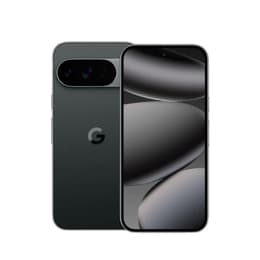
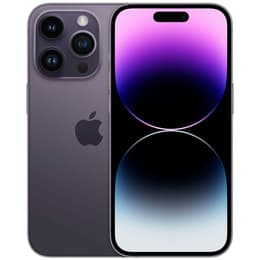
Google Pixel 10 vs iPhone 14 Pro
- 1-year warranty
- Free standard shipping
- Free 30-day returns
Differences at a glance
The Google Pixel 10 (2025) and the iPhone 14 Pro (2022) are prominent smartphones running on distinct operating systems, Android and iOS respectively. While they launched years apart, both devices cater to users seeking capable everyday technology with modern designs. The primary differences lie in their software ecosystems, camera layouts, and overall performance architectures, allowing each phone to serve different user preferences.
Available Models
Colour
Storage
Scores
Durability
When evaluating longevity, these devices offer distinct timelines regarding software updates and hardware construction that influence how long they remain viable daily drivers.
- Software Support Window: The Google Pixel 10 benefits from an extended multi-year update commitment running deep into the decade, whereas the iPhone 14 Pro operates on Apple's established software lifecycle timeline.
- Expected Practical Lifespan: Both models feature durable frames and robust internal hardware designed to handle routine system updates and demanding modern applications smoothly over several years of continuous use.
Release year
2025
2022
Operating system
Android
iOS
Foldable
No
No
Performance
Underneath the surface, these smartphones utilize different hardware configurations to manage daily multitasking, gaming, and app responsiveness.
- System Responsiveness and Multitasking: The Google Pixel 10 relies on generous RAM capacity paired with current-generation hardware to switch rapidly between numerous open apps, while the iPhone 14 Pro utilizes tightly integrated software and hardware to maintain steady navigation speeds.
- Battery Behavior: The Google Pixel 10 includes a large capacity battery designed to easily clear a full day of standard use, whereas the iPhone 14 Pro utilizes a smaller power cell that manages energy efficiency well during moderate tasks but requires more frequent charges under heavy workloads.
Screen quality
Display characteristics shape everyday media consumption, reading comfort, and outdoor visibility on both smartphones.
- Display Technology and Clarity: Both devices employ advanced OLED panels that produce deep black levels, sharp text rendering, and high contrast ratios for comfortable viewing.
- Outdoor Brightness and Refresh Rates: Each model features high refresh rate capabilities for fluid scrolling alongside high peak brightness profiles that maintain screen legibility under direct sunlight.
Resolution
1080x2424
1179 x 2556
Screen type
OLED
LTPO Super Retina XDR OLED
Audiovisual
Photography and video recording suites vary significantly in hardware composition and automated image processing between the two options.
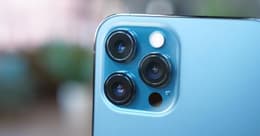
- Camera System Setup: The Google Pixel 10 features a versatile triple-lens array backed by computational photography features, while the iPhone 14 Pro employs a high-resolution multi-lens configuration equipped with detailed manual and cinematic video controls.
- Media and Audio Output: Both options deliver clear stereo sound reproduction for speaker calls and video playback alongside sensitive microphone arrays that capture crisp voice audio.
Miscellaneous
Practical daily features, connectivity standards, and physical handling traits distinguish how each phone feels in everyday use.
- Connectivity and Ports: Both handsets support swift 5G cellular networks alongside modern Wi-Fi and Bluetooth protocols, utilizing reversible port connections for charging and data transfers.
- Build and Handling: The Google Pixel 10 features a slightly lighter structural footprint balanced for comfortable single-handed use, while the iPhone 14 Pro employs dense glass and metal materials that provide a solid, substantial feel in the hand.
Weight
204 oz
206 oz
Screen size (in)
6.3
6.1
SIM card
Physical SIM + eSIM
Physical SIM + eSIM
Carrier compatibility
Unlocked
Unlocked
What the community thinks
User discussions and community feedback indicate that both devices attract dedicated followers for different reasons. Owners of the Google Pixel 10 frequently praise its intuitive artificial intelligence integration, clean software layout, and versatile camera zoom capabilities. On the other hand, iPhone 14 Pro users often highlight its dependable build quality, smooth video recording tools, and seamless integration within the broader Apple accessory ecosystem. Common criticisms for the Pixel involve occasional software quirks on newer releases, while iPhone users sometimes note battery degradation over extended years of ownership.
Users prioritizing deep customization, extensive software update longevity, and advanced digital assistant features may prefer the Google Pixel 10. Meanwhile, users focused on smooth video capture performance, premium material construction, and the iOS environment will likely lean toward the iPhone 14 Pro. For those exploring sustainable purchasing routes, choosing a quality-assured refurbished option provides an eco-friendly alternative that extends device life cycles without compromising performance standards.