iPhone 14 Pro vs iPhone 16

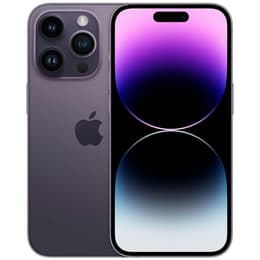
iPhone 14 Pro
iPhone 14 Pro
Starting at

Refurbished price:A$622.00

Versus A$1,749.00 new

See options
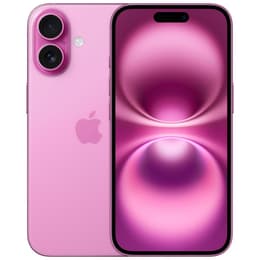
iPhone 16
iPhone 16
Starting at

Refurbished price:A$952.00

Versus A$1,399.00 new

See options

Ratings

The iPhone 14 Pro, released in September 2022, and the iPhone 16, launched in September 2024, represent different generations within Apple's smartphone lineup. While both devices offer a premium user experience, the iPhone 16 introduces a newer processor, enhanced camera capabilities, and updated connectivity standards. Both models operate on Apple's iOS ecosystem, ensuring a consistent software experience, though the iPhone 16 benefits from a more recent software foundation and features like Apple Intelligence.

Scores

Durability

When considering the practical lifespan of these devices, several factors come into play, primarily their release timelines and Apple's typical software support.

  • Release Timeline: The iPhone 14 Pro was released in September 2022, making it two years older than the iPhone 16, which launched in September 2024. This age difference directly impacts the duration of future software updates.
  • Software Longevity: Both devices receive regular iOS updates, but the iPhone 16, being newer, is expected to receive major operating system updates for a longer period, likely extending its functional lifespan by at least two additional years compared to the iPhone 14 Pro.
  • Durability Features: Both models feature Ceramic Shield front covers and are rated IP68 for water and dust resistance, offering robust protection against everyday elements. The iPhone 14 Pro uses a surgical-grade stainless steel frame, while the iPhone 16 incorporates recycled aluminum in its thermal substructure, reflecting a focus on sustainable materials.

Release year

2022

2024

Compatible with latest Update

Yes

Yes

Foldable

No

No

Performance

Performance is a key differentiator, with the newer iPhone 16 benefiting from advancements in processing power and internal design.

  • Processing Power: The iPhone 14 Pro is equipped with a capable processor that handles demanding applications and multitasking smoothly. The iPhone 16 features a newer generation processor, providing a noticeable boost in speed and efficiency for more intensive tasks, gaming, and future-proofing against increasingly complex software.
  • Battery Behavior: The iPhone 14 Pro generally offers a full day of battery life for typical usage, though heavy use can necessitate more frequent charging. The iPhone 16 features a larger battery capacity and an internal redesign focused on improved heat dissipation and power management, contributing to a significant boost in battery longevity for many users.
  • System Responsiveness: Both devices offer a fluid user experience. However, the iPhone 16's newer processor and potentially optimized software contribute to slightly faster app loading times and smoother transitions, particularly when running multiple applications simultaneously or engaging with graphically intensive content.

Memory (GB)

6 GB

8 GB

Screen quality

The visual experience on both smartphones is vibrant, though there are distinctions in display technology and features.

  • Display Technology: Both the iPhone 14 Pro and iPhone 16 feature Super Retina XDR OLED displays, delivering deep blacks, high contrast, and vibrant colors.
  • Refresh Rate: A notable difference is the refresh rate. The iPhone 14 Pro includes ProMotion technology, offering an adaptive refresh rate up to 120Hz, which results in smoother scrolling and more fluid animations. The standard iPhone 16 maintains a 60Hz refresh rate.
  • Brightness and Features: Both models offer high peak brightness for excellent outdoor visibility. The iPhone 14 Pro introduced the Always-On display feature and Dynamic Island, an interactive area replacing the notch. The iPhone 16 also incorporates the Dynamic Island, but the Always-On display remains exclusive to the Pro models.

Resolution

1179 x 2556

1179 x 2556

Screen type

LTPO Super Retina XDR OLED

Super Retina XDR OLED

Audiovisual

Both devices offer advanced camera systems, but the iPhone 16 brings several enhancements and a redesigned layout.

  • Camera System: The iPhone 14 Pro features a versatile triple-camera system with a 48MP Main sensor, a 12MP Ultra Wide lens, and a 12MP 3x Telephoto lens. The iPhone 16 features a dual-camera system with a 48MP Main (Fusion) camera and an improved 12MP Ultra Wide lens, arranged vertically.
  • Photography Performance: The iPhone 14 Pro excels in low-light conditions and offers advanced features like Apple ProRAW. The iPhone 16's updated 48MP Main camera and improved Ultra Wide lens, along with enhanced image processing, contribute to better detail and color accuracy, especially in challenging lighting. The iPhone 16 also introduces macro photography capabilities to the standard model.
  • Video Capabilities: Both phones record high-quality video, with the iPhone 14 Pro offering Cinematic mode up to 4K HDR at 30fps and Action mode. The iPhone 16 supports Spatial Video recording, designed for immersive viewing on compatible devices, and offers improved video stabilization and audio recording.

Main camera

48 megapixels

48 megapixels

Front camera

12 megapixels

12 megapixels

Miscellaneous

Beyond core features, several practical elements distinguish these two iPhone models.

  • Connectivity: Both devices support 5G cellular connectivity for fast mobile data. The iPhone 16 features Wi-Fi 7, offering faster and more reliable wireless connections compared to the Wi-Fi standard on the iPhone 14 Pro. Both support Bluetooth 5.3.
  • Port Type: The iPhone 14 Pro uses Apple's proprietary Lightning port for charging and data transfer. The iPhone 16 has transitioned to a USB-C port, aligning with a more universal standard, though it operates at USB 2.0 speeds.
  • Physical Design: The iPhone 14 Pro has a 6.1-inch display and weighs approximately 206 grams. The iPhone 16 also features a 6.1-inch display but is slightly lighter at around 170 grams and has slightly different dimensions, potentially offering a more comfortable in-hand feel for some users.

Weight

206 oz

170 oz

Screen size (in)

6,1

6.1

Network

5G

5G

SIM card

Physical SIM + eSIM

Physical SIM + eSIM

Carrier compatibility

Unlocked

Unlocked

Connector

Lightning

USB-C (USB 2)

User sentiment for the iPhone 14 Pro often highlights its excellent display, responsive performance, and capable camera system, particularly the introduction of the Dynamic Island and the 48MP main sensor. Some users have noted its weight and occasional battery health degradation over time as minor concerns.

The iPhone 16, as a newer model, is praised for its enhanced battery life, the inclusion of Apple Intelligence features, and its updated camera system with spatial video capabilities. The transition to USB-C is also a welcome change for many. However, the standard iPhone 16 retains a 60Hz display, which some users might find less fluid compared to the ProMotion display on the iPhone 14 Pro.

Users prioritizing a smoother display experience with a 120Hz refresh rate and a dedicated telephoto lens may prefer the iPhone 14 Pro. Its robust build and established performance make it a strong choice for those who value these features. Conversely, users prioritizing the latest software innovations, including Apple Intelligence, improved battery longevity, and the convenience of a USB-C port, will find the iPhone 16 better suited to their needs. The iPhone 16 also offers an updated camera system with macro capabilities and spatial video. Both devices offer a quality-assured refurbished option, providing an eco-friendly alternative for consumers looking to make informed and sustainable choices.

See all articles

Our recent comparisons