
Compare models
Galaxy Z Fold7 vs Motorola Razr 40
- 1-year warranty
- Free standard shipping
- Free 30-day returns
Differences at a glance
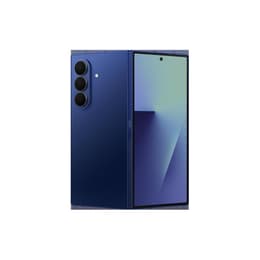
The Samsung Galaxy Z Fold7 (2025) and Motorola Razr 40 (2023) represent two different approaches to foldable mobile technology. While the Galaxy Z Fold7 adopts a book-style design that unfolds into a tablet-sized workspace, the Motorola Razr 40 features a traditional flip phone layout that collapses into a compact square. Both devices run on the Android operating system, though they offer distinct hardware form factors tailored to different daily routines.
Available Models
Colour
Storage (GB)
Scores
Durability
When examining longevity and hardware endurance, both foldable devices offer distinct software support schedules and construction durability milestones.
- Software Support: The Galaxy Z Fold7 benefits from an extended multi-year update timeline typical of current flagship releases, whereas the Motorola Razr 40 provides a more standard software update lifecycle reflecting its earlier release year.
- Repairability and Build: Both devices feature complex folding hinge mechanisms that require careful handling, with modern folding architecture continually improving structural resilience against daily wear and tear.
- Expected Lifespan: Users can expect several years of reliable daily performance from either model, making a quality-assured refurbished option a sustainable choice for minimizing electronic waste.
Release year
2025
2023
Operating system
Android
Android
Foldable
Yes
Yes
Performance
System responsiveness and everyday multitasking capabilities differ between these two models based on their internal hardware tiers and thermal designs.
- Multitasking and App Loading: The Galaxy Z Fold7 handles demanding multi-window workflows and heavy applications seamlessly, while the Motorola Razr 40 manages standard everyday tasks, social media, and moderate browsing with steady reliability.
- Battery Behavior: Battery endurance varies under heavy load due to screen size differences, with the larger internal display of the book-style model drawing more power during extended media sessions compared to the compact flip format.
- Storage and Memory: Both configurations provide adequate internal capacity for standard apps and media libraries, though power users running numerous background applications simultaneously will notice performance margins differ.
Screen quality
Display technology is a primary differentiator, as each device utilizes a unique folding screen configuration designed for distinct viewing habits.
- Display Layout: The Galaxy Z Fold7 provides a sprawling internal tablet screen alongside a usable cover display for full multitasking, while the Motorola Razr 40 utilizes a tall inner folding screen paired with a smaller external notification panel.
- Brightness and Clarity: Both models feature vibrant OLED panels that deliver deep contrast levels and clear text rendering, ensuring visibility remains comfortable across varying indoor and outdoor lighting environments.
- Refresh Rate: Smooth scrolling and responsive touch interaction are standard across both main displays, facilitating fluid navigation through web pages and system menus.
Resolution
1968x2184
1080 x 2640
Audiovisual
Imaging hardware and multimedia output vary, offering different capabilities for photography enthusiasts and casual content creators.
- Camera Systems: The Galaxy Z Fold7 incorporates a versatile multi-lens rear array suited for wide, ultra-wide, and zoomed perspectives, whereas the Motorola Razr 40 relies on a simpler dual-camera setup geared toward everyday snapshots and quick sharing.
- Low-Light and Video: Processing software on both devices helps manage indoor and evening lighting conditions, producing clear details and stable video recording for casual memories and video calls.
- Audio Output: Built-in stereo speakers provide clear sound delivery for hands-free calls and media consumption, though external headphones or speakers enhance bass response for music listening.
Miscellaneous
Physical dimensions, connectivity standards, and daily handling characteristics complete the user experience for each smartphone.
- Handling and Portability: The Motorola Razr 40 folds down into an easily pocketable square shape, whereas the Galaxy Z Fold7 carries a larger footprint that resembles a standard phone when closed and a small tablet when opened.
- Connectivity: Both models support modern wireless standards including 5G connectivity, Wi-Fi networks, and Bluetooth accessories for seamless integration with wireless headphones and smartwatches.
- Security Sensors: Quick biometric authentication is available through responsive fingerprint sensors integrated directly into the physical side buttons of both devices.
Weight
215 oz
189 oz
Screen size (in)
8.0
6.9
Network
5G
5G
SIM card
Dual Physical SIM + eSIM
Physical SIM
Carrier compatibility
Unlocked
Unlocked
What the community thinks
Choosing between the Samsung Galaxy Z Fold7 and the Motorola Razr 40 depends heavily on how you intend to use a folding mobile device in daily life. Users who prioritize expansive screen space for productivity, split-screen multitasking, and media consumption may prefer the versatile workspace of the Galaxy Z Fold7. Conversely, users prioritizing pocket-friendly dimensions, a classic clamshell form factor, and a compact footprint often lean toward the Motorola Razr 40.
Public feedback highlights appreciation for the innovative multitasking capabilities of book-style foldables, alongside praise for the nostalgic portability of flip-style designs. At the same time, some users note the inherent physical presence of a screen crease on both models as a common trait of folding technology. For those seeking an eco-friendly alternative, exploring a quality-assured refurbished option provides a sustainable way to access these advanced form factors while reducing environmental impact.