
Compare models

Galaxy A56 vs iPhone 14 Pro Max

  • 1-year warranty
  • Free standard shipping
  • Free 30-day returns
Galaxy A56
Starting at

Refurbished price:A$459.00

Versus A$699.00 new

See options
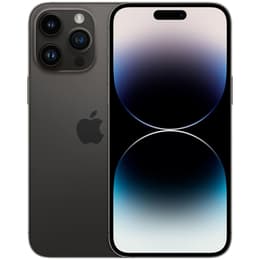
iPhone 14 Pro Max
Starting at

Refurbished price:A$740.00

Versus A$1,899.00 new

See options

Differences at a glance

The Samsung Galaxy A56 (2025) and the Apple iPhone 14 Pro Max (2022) represent two different tiers and operating systems within the modern smartphone landscape. While the Galaxy A56 provides a contemporary mid-range experience running on Android, the iPhone 14 Pro Max operates on iOS as a former high-end flagship device. Both phones feature large screens and modern builds, yet they target different user priorities through contrasting software ecosystems and hardware configurations.

Available Models

Colour

Storage (GB)

Scores

Durability

When examining longevity and physical durability, these devices approach software support and hardware endurance from distinct angles. Both models offer strong multi-year viability, though their release timelines and ecosystem update cycles differ.

  • Software Support: The Galaxy A56 benefits from a modern release year with long-term Android update commitments, whereas the iPhone 14 Pro Max relies on Apple's extended track record of software optimization for older flagship devices.
  • Build and Repair: The iPhone 14 Pro Max utilizes heavy-duty stainless steel and Ceramic Shield glass for enhanced drop defense, while the Galaxy A56 incorporates sturdy front glass protection and a balanced frame structure.
  • Practical Lifespan: Both smartphones maintain high daily reliability over several years, though users who prefer staying current with the latest platform versions will need to weigh Android versus iOS update schedules.

Release year

2025

2022

Operating system

Android

iOS

Foldable

No

No

Performance

System responsiveness and daily multitasking capabilities vary due to architectural differences between the two hardware platforms. Both models handle standard applications smoothly, but their underlying processing power and memory management cater to different workloads.

  • Multitasking and Apps: Both devices switch between web browsing, social media, and video streaming without noticeable lag, supported by generous RAM allocations.
  • Demanding Tasks: The iPhone 14 Pro Max handles high-end mobile gaming and intensive graphic rendering with substantial processing headroom, while the Galaxy A56 reliably manages everyday productivity tasks and moderate entertainment.
  • Storage Management: Both options offer configurations suitable for storing large media libraries, though neither model includes expandable storage via memory cards.

Screen quality

Visual output across both displays delivers sharp detail and vivid color reproduction, though they utilize different panel technologies and refresh rates to achieve smooth viewing experiences.

  • Display Technology: Both devices feature bright OLED screens that produce deep black levels and high contrast for outdoor readability under direct sunlight.
  • Refresh Rate: Each model supports a high refresh rate up to 120Hz, ensuring fluid scrolling through menus, web pages, and user interfaces.
  • Screen Real Estate: Both smartphones offer expansive viewing spaces ideal for watching videos or reading documents, though the iPhone integrates its notification area into a distinctive interactive cutout shape.

Resolution

1080 x 2340

1290 x 2796

Audiovisual

Optics and media recording systems differ significantly in sensor configuration and processing output, giving each device unique strengths for photography and audio playback.

  • Camera Systems: The iPhone 14 Pro Max employs a versatile triple-lens setup featuring a high-resolution main sensor and a dedicated telephoto lens for optical zoom, while the Galaxy A56 utilizes a triple-lens arrangement focused on everyday clarity and wide-angle captures.
  • Low-Light and Video: The iPhone line is widely noted for stable, high-detail video recording and balanced low-light processing, whereas the Galaxy A56 delivers sharp daylight imagery and dependable social media photo output.
  • Audio and Speakers: Both models feature stereo speaker setups that produce clear sound for hands-free calls and media consumption without external accessories.

Miscellaneous

Daily usability is shaped by physical dimensions, connectivity standards, and biometric authentication methods unique to each manufacturer's design philosophy.

  • Handling and Weight: The iPhone 14 Pro Max feels noticeably heavier due to its dense metal and glass construction, while the Galaxy A56 offers a lighter feel in the hand during extended use.
  • Biometrics: The Galaxy A56 uses an in-display fingerprint sensor alongside facial recognition, whereas the iPhone 14 Pro Max relies exclusively on secure 3D facial scanning.
  • Connectivity and Ports: Both devices support rapid 5G network speeds and modern Wi-Fi standards, utilizing proprietary Lightning or standard USB-C physical connection ports depending on the generation.

Weight

200 oz

120 oz

Screen size (in)

6.7

6,7

Network

4G

5G

SIM card

Physical SIM + eSIM

Physical SIM + eSIM

Carrier compatibility

Unlocked

Unlocked

Connector

USB-C

Lightning

What the community thinks

User feedback from online communities highlights distinct preferences for each device based on everyday workflow requirements. Owners of the Galaxy A56 frequently praise its bright display, modern software interface, and reliable daily battery endurance. Conversely, users of the iPhone 14 Pro Max often highlight its robust video recording quality, premium build materials, and long-term gaming performance. Common discussions note that the iPhone model carries a heavier physical weight, while the Galaxy model occasionally receives feedback wishing for more advanced optical zoom capabilities.

Users prioritizing a lightweight feel, modern Android software features, and a contemporary mid-range experience will find the Galaxy A56 well-suited to their needs. Meanwhile, users prioritizing advanced video production tools, premium build density, and the iOS ecosystem may lean toward the iPhone 14 Pro Max. For consumers exploring sustainable technology choices, opting for a quality-assured refurbished option provides an eco-friendly alternative that extends device life cycles without compromising on performance.
Our recent comparisons