
Samsung
Compare models
Differences at a glance
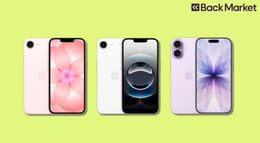
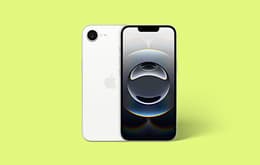
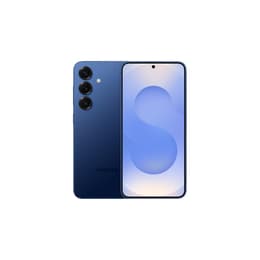
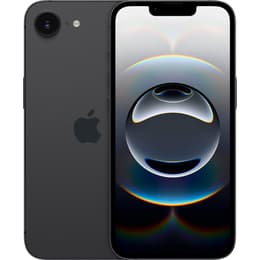
The Samsung Galaxy S25 (2025) and the iPhone 16E (2025) are contemporary smartphones from two leading manufacturers, each offering a distinct approach to mobile technology. While both devices provide robust performance and advanced features, they differ significantly in their operating systems, camera capabilities, and display technologies. The Galaxy S25 operates on Android, offering a customizable experience, whereas the iPhone 16E runs on iOS, known for its integrated ecosystem.
Colour
Storage
When considering the long-term usability of these devices, their release timelines and software support are key factors.
Release year
Operating system
Foldable
Both the Galaxy S25 and iPhone 16E are equipped with powerful internal components designed for smooth operation, though they approach performance from different architectural standpoints.
The visual experience on both smartphones is a key differentiator, with each device employing distinct display technologies and characteristics.
Resolution
Both devices offer capable camera systems, but they are configured differently to cater to various photography and videography preferences.
Beyond core performance and camera capabilities, several practical elements contribute to the overall user experience of these smartphones.
Weight
Screen size (in)
Network
SIM card
Carrier compatibility
User feedback for the Samsung Galaxy S25 often highlights its versatile camera system, particularly the inclusion of a dedicated telephoto lens and advanced AI-driven imaging capabilities, as a strong point. Users appreciate the vibrant 120Hz AMOLED display and the extended software support commitment from Samsung. Some common criticisms or concerns might revolve around the incremental nature of some upgrades compared to its predecessor, or the battery life, which, while generally good for a full day, might not always satisfy the heaviest users.
For the iPhone 16E, users frequently praise its powerful processor, the consistent performance of iOS, and the overall integration within the Apple ecosystem. The improved battery life for a 6.1-inch iPhone and the durable design are also often noted positively. However, some users might express disappointment regarding the 60Hz refresh rate, the absence of an ultra-wide lens, or the notch design, which is retained instead of the Dynamic Island found on other iPhone 16 models.
Users prioritizing a highly customizable Android experience with a versatile multi-lens camera system, including optical zoom, and a high refresh rate display may find the Samsung Galaxy S25 well-suited to their needs. Its long-term software support also makes it an appealing choice for those seeking longevity. Conversely, users who value the streamlined iOS ecosystem, robust privacy features, consistent performance, and a strong focus on core camera quality with advanced computational photography may lean toward the iPhone 16E. Both devices represent solid choices in the smartphone market, and considering a quality-assured refurbished option can be an eco-friendly alternative for either model.