iPhone 14 vs Motorola Razr 40

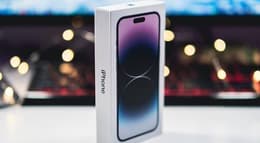
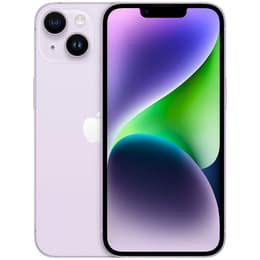
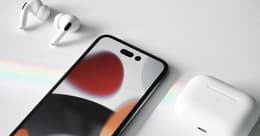
iPhone 14
iPhone 14
Starting at

Refurbished price:A$468.00

Versus A$1,049.00 new

See options
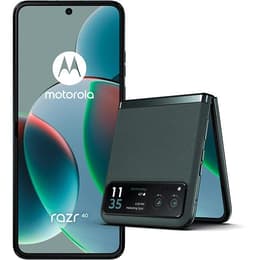
Motorola Razr 40
Motorola Razr 40
See options

Ratings

The iPhone 14, released in September 2022, is a traditional slab-style smartphone running Apple's iOS ecosystem. In contrast, the Motorola Razr 40, launched in June 2023, offers a distinct foldable clamshell design powered by the Android operating system. These devices cater to different user preferences, primarily differing in their form factor, software experience, and display technologies.

Scores

Durability

The expected practical lifespan of a smartphone is influenced by both its physical resilience and ongoing software support. These two devices offer different approaches to durability and longevity.

  • Software Longevity: The iPhone 14 typically receives iOS updates for approximately five to six years from its release, providing extended software support and access to new features over a longer period. The Motorola Razr 40 is expected to receive three major Android OS updates and four years of security updates.
  • Physical Durability: The iPhone 14 features a Ceramic Shield front cover and is rated IP68 for water and dust resistance, indicating it can withstand submersion in up to 6 meters of water for 30 minutes. The Motorola Razr 40 has an aluminum frame and a vegan leather back, offering a different tactile experience, and is rated IP52 for splash resistance, meaning it is protected against limited dust ingress and water spray.
  • Repairability: The iPhone 14 is part of Apple's Self Service Repair program, allowing users with technical knowledge to access genuine parts and tools for certain repairs. The foldable design of the Razr 40 introduces different considerations for long-term mechanical durability compared to a rigid smartphone.

Release year

2022

2023

Compatible with latest Update

Yes

Yes

Operating system

iOS

Android

Foldable

No

Yes

Performance

Performance in smartphones is crucial for smooth daily operation, from navigating apps to engaging in demanding tasks. Both devices offer capable performance, though they are built around different hardware philosophies.

  • Everyday Responsiveness: The iPhone 14 is equipped with a powerful processor that ensures a fluid user experience, handling demanding applications and multitasking with ease. Users can expect smooth animations and responsive interactions across the operating system.
  • Gaming and Heavy Apps: The iPhone 14's processing unit provides substantial power for high-performance gaming and intensive applications, maintaining consistent speed over time. The Motorola Razr 40, powered by a mid-range processor, is well-suited for daily tasks and moderate gaming, offering a capable experience for most users.
  • Multitasking Capabilities: Both devices are designed to manage multiple applications simultaneously without significant slowdowns. The iPhone 14's optimized software and hardware combination contributes to its sustained performance, ensuring that the device remains fast for an extended period.

Memory (GB)

6 GB

8 GB

Screen quality

The display is a primary interface for smartphone interaction, and these two models present distinct visual experiences, particularly due to their form factors.

  • Display Technology and Clarity: The iPhone 14 features a 6.1-inch Super Retina XDR OLED display, offering deep blacks, vibrant colors, and a resolution of 2532 by 1170 pixels, resulting in sharp images and text. The Motorola Razr 40 boasts a larger 6.9-inch Foldable P-OLED main display with a resolution of 2640 by 1080 pixels, providing an expansive viewing area when unfolded.
  • Brightness and Refresh Rate: The iPhone 14's display reaches a peak brightness of 1200 nits for HDR content and operates at a standard 60Hz refresh rate. The Motorola Razr 40's main display offers a higher 144Hz refresh rate for smoother scrolling and animations, with a peak brightness of up to 1400 nits.
  • Unique Display Features: A key differentiator for the Motorola Razr 40 is its 1.5-inch external OLED cover display, which can show notifications and quick information without needing to open the phone. The iPhone 14 provides a consistent, non-folding display experience.

Resolution

1170 x 2532

1080 x 2640

Screen type

Super Retina XDR OLED

Foldable LTPO AMOLED

Audiovisual

Camera capabilities are a significant factor for many users, and both smartphones offer systems designed for capturing moments, albeit with different strengths.

  • Main Camera System: The iPhone 14 features a dual 12-megapixel camera system, including a main wide lens with a larger sensor and a faster aperture for improved low-light performance, alongside an ultrawide lens. The Motorola Razr 40 is equipped with a 64-megapixel main camera with optical image stabilization (OIS) and a 13-megapixel ultrawide lens that also functions for macro photography.
  • Photography Performance: The iPhone 14 is known for its consistent image processing, producing photos with accurate colors and good detail, particularly excelling in challenging lighting conditions. The Razr 40 can capture colorful images in good lighting, though some users note that low-light performance and dynamic range can be inconsistent compared to higher-end devices.
  • Video Recording and Front Camera: Both devices support 4K video recording. The iPhone 14 includes features like Cinematic mode for shallow depth-of-field video and Action mode for enhanced video stabilization. Its front camera offers autofocus for clearer selfies. The Motorola Razr 40 records video up to 4K at 30 frames per second and has a 32-megapixel front camera.

Main camera

12 megapixels

64 megapixels

Front camera

12 megapixels

32 megapixels

Miscellaneous

Beyond core features, several practical elements contribute to the overall user experience and daily convenience of a smartphone.

  • Connectivity and Ports: Both the iPhone 14 and Motorola Razr 40 support 5G cellular networks and Bluetooth 5.3. The iPhone 14 uses Wi-Fi 6 and features a Lightning port for charging and data transfer. The Motorola Razr 40 supports the newer Wi-Fi 6E standard and utilizes a USB-C port, which is a widely adopted standard.
  • Biometrics and Handling: The iPhone 14 relies on Face ID for secure authentication. It weighs 172 grams and has a thickness of 7.8 millimeters. The Motorola Razr 40 incorporates a side-mounted fingerprint sensor for unlocking. It weighs 188.6 grams and, when unfolded, measures 7.35 millimeters thick, folding down to 15.8 millimeters.
  • Build Materials and Design: The iPhone 14 features an aluminum frame and a glass back. The Motorola Razr 40 combines an aluminum frame with a vegan leather back, offering a distinctive feel and grip. The Razr 40's foldable design allows it to be more compact when closed.

Weight

172 oz

189 oz

Screen size (in)

6,1

6,9

Network

5G

5G

SIM card

Physical SIM + eSIM

Dual Physical SIM + eSIM

Carrier compatibility

Unlocked

Unlocked

The iPhone 14 and Motorola Razr 40 offer distinct smartphone experiences, each with its own set of advantages. The iPhone 14 is frequently praised for its reliable performance, consistent camera capabilities, particularly in low-light conditions, and robust software support that ensures longevity. However, some users note its 60Hz display and the incremental nature of its upgrades compared to previous iPhone models.

Conversely, the Motorola Razr 40 is often highlighted for its unique foldable design, which provides a compact form factor when closed and an expansive display when open. Users appreciate its clean Android software experience and decent battery life. Criticisms sometimes point to its camera performance, which can be inconsistent in certain conditions, and its external screen, which offers less functionality than some competing foldable devices.

Users prioritizing a traditional smartphone experience with strong, consistent performance, a highly capable camera system, and long-term software updates will find the iPhone 14 well-suited to their needs. Those who value a distinctive, compact design, a large internal display, and a clean Android interface, along with the novelty of a foldable device, may lean towards the Motorola Razr 40. Both devices represent solid choices for different user profiles, and considering a quality-assured refurbished option can be a sustainable way to acquire either model.

See all articles

Our recent comparisons