Compare models
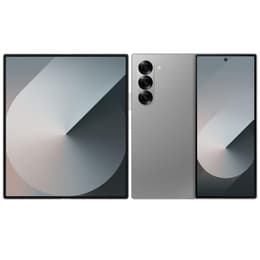
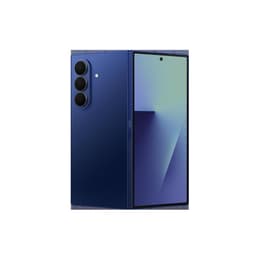
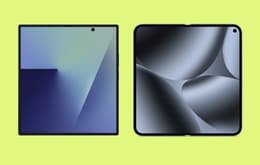
Galaxy Z Fold6 vs Galaxy Z Fold7
- 1-year warranty
- Free standard shipping
- Free 30-day returns
Differences at a glance
The Samsung Galaxy Z Fold6 (2024) and the Samsung Galaxy Z Fold7 (2025) represent consecutive generations of book-style foldable smartphones designed for multitasking and immersive media consumption. While both models share a similar folding form factor and comprehensive software support ecosystem, the newer Galaxy Z Fold7 introduces a substantially thinner profile, refined physical dimensions, and hardware refinements that set it apart from its predecessor. Both devices run on Android-based operating systems with access to extensive productivity tools and multi-window capabilities, though the newer model launches with an updated software version out of the box.
Available Models
Colour
Storage
Scores
Durability
When evaluating structural longevity and software support, both foldable devices are built to receive extended updates, though their release timelines place them at different stages of their life cycle.
- Software Support Duration: The Galaxy Z Fold7 benefits from a more recent release date, ensuring it remains eligible for platform and security updates for an additional year compared to the Galaxy Z Fold6.
- Hardware and Hinge Durability: Both models incorporate sturdy folding mechanisms and reinforced exterior frames, with the Galaxy Z Fold7 featuring an optimized internal structure designed to minimize daily wear on the flexible display layer.
- Expected Practical Lifespan: Both smartphones offer long-term operational viability for daily multitasking, though users looking to maximize future software compatibility will find the newer generation aligns better with long-term usage goals.
Release year
2024
2025
Operating system
Android
Android
Foldable
Yes
Yes
Performance
Underneath the exterior casing, both foldable smartphones offer high-tier hardware configurations, varying primarily in system efficiency and physical memory allocations.
- Storage and Multitasking Configurations: Both devices are available with generous baseline memory, while select variants of the newer Galaxy Z Fold7 offer higher capacity memory tiers to support intensive professional workloads.
- Everyday Speed and Responsiveness: Both models handle demanding applications, split-screen multitasking, and graphic-heavy gaming smoothly, with the Galaxy Z Fold7 utilizing an updated processor architecture for improved thermal management and app loading speeds.
- Battery Behavior: Both smartphones include dual-cell battery systems designed to last through a typical day of moderate mixed usage on the outer screen, though heavy reliance on the expansive inner display increases power consumption on both models.
Screen quality
The visual experience is central to both devices, utilizing dual displays that transition between a standard smartphone outer screen and a tablet-sized inner canvas.
- Display Technology: Both models feature vibrant OLED panels on both the cover and folding inner screens, delivering deep contrast levels and fluid motion handling thanks to adaptive high refresh rates.
- Outdoor Visibility: High peak brightness levels on both generations ensure that text and media remain legible under direct sunlight, whether the device is folded or opened fully.
- Aspect Ratio and Dimensions: The Galaxy Z Fold7 refines the physical footprint by offering a slightly wider cover screen and a thinner unfolded profile, resulting in a more natural typing experience when closed.
Resolution
1856x2160
1968x2184
Audiovisual
Media creation and audio-visual output across both foldable generations cater to everyday photography, video calls, and portable entertainment.
- Camera Array Capabilities: Both smartphones utilize versatile triple-lens rear configurations consisting of a high-resolution main sensor, an ultra-wide lens, and a telephoto lens with optical zoom capabilities.
- Video and Low-Light Performance: Both devices capture detailed video footage and process low-light scenes effectively, with the newer Galaxy Z Fold7 incorporating internal sensor refinements for improved clarity in challenging lighting conditions.
- Media and Audio Output: Stereo speakers on both models deliver clear sound separation for streaming videos and conference calls, complemented by multi-microphone arrays that isolate voice input during conversations.
Miscellaneous
Practical daily usability is influenced by physical ergonomics, connectivity standards, and biometric security features built into each chassis.
- Physical Dimensions and Handling: The Galaxy Z Fold7 is noticeably thinner and lighter than the Galaxy Z Fold6, making it easier to hold in one hand when folded and less bulky in a pocket.
- Connectivity and Ports: Both models support current-generation mobile networks, rapid Wi-Fi standards, and Bluetooth pairing, utilizing a reversible USB Type-C port for charging and data transfer.
- Security and Biometrics: Both devices integrate side-mounted fingerprint sensors into the power button alongside facial recognition options using the front-facing cameras.
Weight
239 oz
215 oz
Screen size (in)
7.6
8.0
Network
5G
5G
SIM card
Physical SIM + eSIM
Dual Physical SIM + eSIM
Carrier compatibility
Unlocked
Unlocked
What the community thinks
The Galaxy Z Fold6 and the Galaxy Z Fold7 offer capable foldable smartphone experiences, yet they cater to slightly different physical preferences. Users transitioning from traditional smartphones frequently praise the Galaxy Z Fold6 for its robust daily performance, balanced dual screens, and reliable multi-window productivity. Common discussions around the device often note its slightly thicker folded profile compared to standard slab phones. In contrast, users highlighting the Galaxy Z Fold7 frequently point to its significantly reduced thickness, lighter weight, and refined outer screen ergonomics as major improvements in daily handling. Some community feedback on the newer model notes that while it brings welcome physical refinements, the core software features remain closely aligned with the previous generation.
Users who prioritize a slimmer, lighter physical profile for pocketability may prefer the Galaxy Z Fold7, while those looking for a proven folding device at a different stage of its product cycle will find the Galaxy Z Fold6 well-suited to their needs. For consumers exploring sustainable technology habits, opting for a quality-assured refurbished option through Back Market provides an eco-friendly alternative to purchasing newly manufactured hardware. Ultimately, the choice between these two devices depends on how much weight is placed on physical thinness versus generational release timing.