
Galaxy Z Flip5 vs iPhone 12

Galaxy Z Flip5
Galaxy Z Flip5
Starting at

Refurbished price:A$638.00

Versus A$2,070.00 new

See options
iPhone 12
iPhone 12
Starting at

Refurbished price:A$305.00

Versus A$1,129.00 new

See options

Ratings

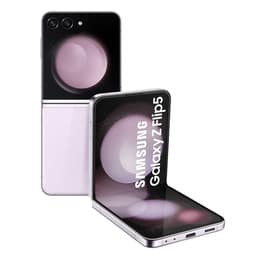
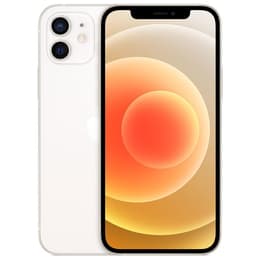
The Samsung Galaxy Z Flip5 (released August 2023) and the Apple iPhone 12 (released October 2020) represent distinct approaches to smartphone design and functionality. While the iPhone 12 offers a traditional slab form factor, the Galaxy Z Flip5 introduces a foldable design, allowing for a compact footprint when closed. These devices operate on different ecosystems, with the Z Flip5 running Android and the iPhone 12 running iOS, leading to variations in user experience and software integration.

Scores

Durability

When considering the long-term usability of these devices, their release timelines and software support policies are key factors. The Galaxy Z Flip5, being a more recent release, benefits from a longer expected period of software updates compared to the iPhone 12.

  • Software Longevity: The Galaxy Z Flip5 is expected to receive four major Android OS updates and five years of security updates from its release, extending its software support well into the future. The iPhone 12, released in 2020, typically receives 5-6 years of major iOS updates, meaning its update cycle is nearing its end.
  • Physical Durability: The iPhone 12 features a Ceramic Shield front cover, which Apple stated makes it more durable against drops. The Galaxy Z Flip5 incorporates an Armor Aluminum frame and Gorilla Glass Victus 2 on its cover screen and back, with an IPX8 water resistance rating. Its foldable design introduces a hinge mechanism, which has been improved over generations to withstand bending and dirt.
  • Practical Lifespan: Users of the Galaxy Z Flip5 have noted its compact form factor and the protection the folding screen offers from everyday wear and tear when closed. However, the inner foldable display is made of Ultra-Thin Glass (UTG) and is more susceptible to scratches than traditional smartphone screens. The iPhone 12, while robust for a traditional smartphone, may see its software support conclude sooner than the Z Flip5.

Release year

2023

2020

Compatible with latest Update

Yes

Yes

Operating system

Android

iOS

Foldable

Yes

No

Performance

The performance of a smartphone is crucial for daily tasks, from app usage to multitasking and gaming. Both devices offer capable performance for their respective generations, though the newer Galaxy Z Flip5 benefits from more recent hardware advancements.

  • Processing Power: The Galaxy Z Flip5 is equipped with a current-generation processor, enabling smooth handling of demanding applications and efficient multitasking. The iPhone 12 features a capable processor that provides a responsive user experience for everyday tasks and many applications.
  • Multitasking and Responsiveness: The Galaxy Z Flip5 typically comes with 8GB of RAM, contributing to fluid multitasking and app switching. The iPhone 12 has 4GB of RAM, which is sufficient for general use but may show limitations with a large number of demanding applications open simultaneously.
  • Storage Options: The Galaxy Z Flip5 offers storage configurations of 256GB and 512GB. The iPhone 12 was available in 64GB, 128GB, and 256GB options.
  • Battery Behavior: The Galaxy Z Flip5 has a 3700 mAh battery, and while its power-efficient processor contributes to decent battery life, some users report it lasting through a busy day with moderate use. The iPhone 12 has a 2815 mAh battery, with user experiences indicating it can last through most of a day with typical usage, though 5G usage can impact this.

Memory (GB)

8 GB

4 GB

Screen quality

The display is a primary interface for smartphone interaction, and both the Galaxy Z Flip5 and iPhone 12 offer distinct visual experiences.

  • Display Technology and Clarity: The Galaxy Z Flip5 features a 6.7-inch Foldable Dynamic AMOLED 2X main display with a 120Hz refresh rate, offering vibrant colors and smooth scrolling. It also has a 3.4-inch Super AMOLED cover screen for quick interactions. The iPhone 12 utilizes a 6.1-inch Super Retina XDR OLED display, known for its deep blacks and accurate color reproduction.
  • Resolution and Brightness: The Z Flip5's main display has a resolution of 1080x2640 pixels, providing clear visuals. The iPhone 12 offers a resolution of 2532 x 1170 pixels, resulting in sharp images and text. Both devices offer good brightness levels for various lighting conditions.
  • Refresh Rate: A key difference is the refresh rate; the Galaxy Z Flip5's main display has a 120Hz refresh rate, which provides a smoother visual experience, especially when scrolling or playing games. The iPhone 12 has a standard 60Hz refresh rate.
  • Screen Size and Form Factor: The Z Flip5's foldable design allows for a larger screen when unfolded while maintaining a compact form factor when closed, enhancing portability. The iPhone 12 offers a consistent 6.1-inch display in a traditional smartphone design.

Resolution

1080 x 2640

1170 x 2532

Screen type

Foldable Dynamic AMOLED 2X

Super Retina XDR OLED

Audiovisual

Camera capabilities are a significant consideration for many users, and both devices offer competent systems for capturing photos and videos, with some differences in their approach and features.

  • Camera System: The Galaxy Z Flip5 features a dual 12MP camera setup on the rear, consisting of a wide and an ultrawide lens. The iPhone 12 also has a dual 12MP rear camera system with wide and ultrawide lenses.
  • Photography Performance: The Z Flip5's cameras produce good images with vibrant colors, and its foldable design allows for unique shooting angles and high-quality selfies using the main cameras via the cover screen. The iPhone 12's main camera performs well in various lighting conditions, with good color reproduction and dynamic range, and an improved Night mode for low-light situations.
  • Video Recording: Both devices are capable of recording high-quality video. The iPhone 12 supports 4K video recording at various frame rates and includes Dolby Vision HDR video. The Z Flip5 also offers respectable video quality, with good stabilization.
  • Selfie Cameras: The Z Flip5 has a 10MP front-facing camera, but its design allows users to utilize the higher-quality rear cameras for selfies, viewing themselves on the cover screen. The iPhone 12 has a 12MP front-facing camera that supports Portrait mode and Night mode selfies.

Main camera

12 megapixels

12 megapixels

Front camera

10 megapixels

12 megapixels

Miscellaneous

Beyond core specifications, several practical elements contribute to the overall user experience and differentiate these two smartphones.

  • Connectivity: Both the Galaxy Z Flip5 and iPhone 12 support 5G connectivity, enabling faster mobile data speeds where available. They also include modern Wi-Fi standards and Bluetooth for wireless connections.
  • Ports and Biometrics: The Galaxy Z Flip5 uses a USB-C port for charging and data transfer. The iPhone 12 uses Apple's proprietary Lightning port. Neither device features a traditional headphone jack. For security, the Z Flip5 typically uses a side-mounted fingerprint sensor, while the iPhone 12 relies on Face ID for facial recognition.
  • Design and Handling: The Galaxy Z Flip5's defining feature is its foldable design, which makes it significantly more compact when closed, enhancing portability and pocketability. The iPhone 12 has a flat-edged design with an aluminum frame, offering a classic smartphone feel. The Z Flip5 is generally lighter than the iPhone 12.
  • Build Materials: The Z Flip5 features an Armor Aluminum frame and Gorilla Glass Victus 2 on its exterior. The iPhone 12 uses an aluminum frame and a Ceramic Shield front cover, with a glass back.

Weight

187 oz

164 oz

Screen size (in)

6.7

6.1

Network

5G

5G

SIM card

Physical SIM + eSIM

Physical SIM + eSIM

Carrier compatibility

Unlocked

Unlocked

The Samsung Galaxy Z Flip5 and iPhone 12 cater to different user preferences, largely due to their distinct form factors and operating systems. User sentiment for the Galaxy Z Flip5 often highlights its unique foldable design, which offers enhanced portability and a novel user experience with its large cover screen. Users appreciate the ability to prop the phone for hands-free use and the convenience of a compact device. However, some users have expressed concerns regarding the battery life and the durability of the inner screen over extended use, with reports of screen protector bubbling or green lines appearing. The camera quality, while good, is sometimes noted as not being on par with other flagship devices in its price range.

The iPhone 12, on the other hand, is praised for its consistent performance, reliable camera system, and the robust iOS ecosystem. Users generally find its camera to be very capable for everyday photography, especially in good lighting. Its Ceramic Shield display has also been noted for its improved drop resistance. Criticisms often revolve around its battery life, particularly with 5G usage, and the 60Hz refresh rate of its display, which can feel less fluid compared to higher refresh rate screens.

Users prioritizing a compact, innovative design with a large, interactive cover screen and the flexibility of a foldable form factor may find the Galaxy Z Flip5 well-suited to their needs. Those who value a traditional, highly durable smartphone experience with a strong software ecosystem and consistent performance might lean towards the iPhone 12. Both devices offer a quality-assured refurbished option, providing an eco-friendly alternative for consumers seeking to make informed and sustainable choices.

See all articles

Our recent comparisons