
Smartphones
Compare models
Differences at a glance
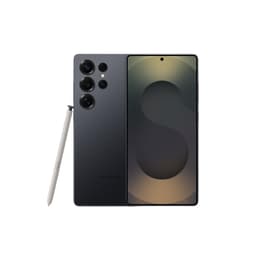
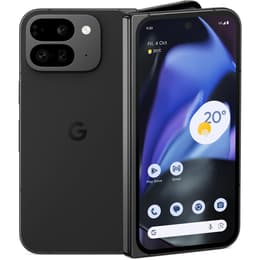
The Samsung Galaxy S25 Ultra, released in January 2025, represents the pinnacle of Samsung's traditional smartphone design, offering a powerful and feature-rich experience. In contrast, the Google Pixel 9 Pro Fold, launched in 2025, showcases Google's vision for a foldable device, blending a large, expansive screen with the unique capabilities of the Pixel ecosystem. The primary distinction lies in their form factors: a conventional, robust slab design for the S25 Ultra versus an innovative, adaptable foldable design for the Pixel 9 Pro Fold. Both devices operate on the Android platform, with Samsung's One UI and Google's stock Android experience, respectively, each bringing their own set of software enhancements and AI-driven features.
Colour
Storage (GB)
When considering the long-term usability of these devices, both the Galaxy S25 Ultra and the Pixel 9 Pro Fold offer substantial software support, a key factor in their practical lifespan.
Release year
Operating system
Foldable
Both smartphones are equipped with advanced internal components designed to deliver smooth and efficient performance across various tasks.
The visual experience on both devices is designed to be immersive, though they achieve this through different display technologies and form factors.
Resolution
Both the Galaxy S25 Ultra and the Pixel 9 Pro Fold offer advanced camera systems, each with a distinct approach to photography and videography.
Beyond their core features, both devices offer a range of practical elements that enhance the user experience.
Weight
Screen size (in)
Network
SIM card
Carrier compatibility
The Samsung Galaxy S25 Ultra and the Google Pixel 9 Pro Fold cater to different user preferences, each excelling in its own domain. Users often praise the S25 Ultra for its comprehensive camera system, offering unparalleled zoom capabilities and a robust, traditional smartphone experience. Its integrated S Pen is frequently highlighted as a significant advantage for productivity and creative tasks. Criticisms, when present, sometimes revolve around its size and weight for those preferring a more compact device.
The Pixel 9 Pro Fold, on the other hand, receives acclaim for its innovative foldable design, providing a large, immersive display in a portable form factor. Users appreciate Google's computational photography, which consistently delivers high-quality images, and the unique software features tailored for the foldable experience. Common concerns for foldables, though significantly improved with each generation, can still include the long-term durability of the folding screen and hinge, though the Pixel 9 Pro Fold aims to address these with enhanced engineering. [10, 13, 21, 25, 29, 31]
Users prioritizing a traditional, uncompromised smartphone experience with a top-tier camera system and stylus integration may find the Galaxy S25 Ultra well-suited to their needs. Its consistent performance and extensive software support make it a reliable choice for power users and content creators. Conversely, users seeking an innovative device that offers a large screen for media consumption and multitasking in a more compact form factor, coupled with Google's unique AI features and computational photography, may lean towards the Pixel 9 Pro Fold. Both devices offer a compelling experience, and for those considering a quality-assured refurbished option, both models are excellent choices for sustainable technology. The decision ultimately depends on whether a traditional flagship experience with a stylus or an adaptable foldable form factor with advanced AI integration aligns better with individual usage patterns.