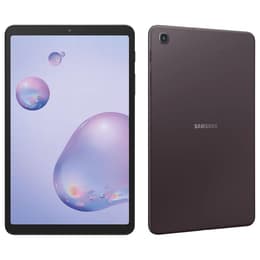
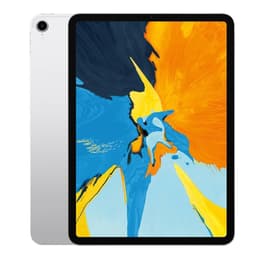

Galaxy Tab A (8.4", 2020) vs iPad Pro (2018, A12 series)

Galaxy Tab A (8.4", 2020)
See options
iPad Pro (2018, A12 series)
Starting at

Refurbished price:A$466.00

Versus A$949.00 new

See options

Ratings

The Samsung Galaxy Tab A 8.4 (2020) and the Apple iPad Pro (2018) are two distinct tablets, released two years apart, offering different operating systems and user experiences. The Galaxy Tab A 8.4, launched in March 2020, runs on Android, while the iPad Pro (2018), released in November 2018, operates on iPadOS. These devices cater to different user needs, with the iPad Pro generally offering more robust performance and a premium display, while the Galaxy Tab A provides a more compact and accessible Android tablet experience.

Scores

Durability

When considering the long-term usability of these tablets, their release timelines and software support are key factors. The Galaxy Tab A 8.4 (2020) was released in March 2020, while the iPad Pro (2018) launched in November 2018.

  • Software Updates: The Galaxy Tab A 8.4 (2020) launched with Android 10 and was upgradeable to Android 11, and while Samsung committed to at least four years of security updates for this model, major OS updates are likely at their end by 2026. The iPad Pro (2018) has received consistent iPadOS updates, with expectations to receive iPadOS 18 and potentially iPadOS 19, extending its major software support further into the future.
  • Practical Lifespan: Users of the iPad Pro (2018) often report its continued strong performance for demanding tasks, suggesting a longer practical lifespan for intensive use cases. The Galaxy Tab A 8.4 (2020) is better suited for lighter tasks, and its performance may feel more dated sooner for users with higher demands.
  • Repairability: The iPad Pro (2018) generally scores low on repairability due to the extensive use of strong adhesives, making internal repairs challenging. Information on the Galaxy Tab A 8.4 (2020) suggests common repair needs like screen or battery issues, which can also be complex due to device construction.

Release year

2020

2018

Compatible with latest Update

No

Yes

Operating system

Android

iPadOS

Performance

The performance capabilities of these two tablets present a notable difference, influencing their suitability for various tasks. The iPad Pro (2018) is known for its powerful processing, while the Galaxy Tab A 8.4 (2020) offers more modest performance for everyday use.

  • Processing Power: The iPad Pro (2018) features a robust processor that handles demanding applications, multitasking, and creative workflows with considerable responsiveness. The Galaxy Tab A 8.4 (2020) is equipped with a processor suitable for basic browsing, media consumption, and casual gaming, but may exhibit sluggishness with more intensive applications or heavy multitasking.
  • Multitasking and Responsiveness: The iPad Pro (2018) offers a fluid and responsive user experience, even with multiple applications running simultaneously, making it well-suited for productivity. The Galaxy Tab A 8.4 (2020) has 3GB of RAM, which can limit its ability to smoothly manage numerous apps open at once, potentially leading to slower transitions and app loading times.
  • Storage Options: The iPad Pro (2018) provides a wide range of storage configurations, from 64GB up to 1TB, catering to users with extensive storage needs. The Galaxy Tab A 8.4 (2020) comes with 32GB of internal storage, which is expandable via a microSD card, offering flexibility for users who need more space for media and documents.

Memory (GB)

3 GB

4 GB

Screen quality

The visual experience on these tablets differs significantly due to their display technologies and specifications. The iPad Pro (2018) offers a more advanced display, while the Galaxy Tab A 8.4 (2020) provides a clear screen for its category.

  • Display Technology and Resolution: The iPad Pro (2018) features a Liquid Retina IPS LCD with ProMotion technology, offering a high resolution (2388 x 1668 for 11-inch, 2732 x 2048 for 12.9-inch) and a smooth 120Hz refresh rate. The Galaxy Tab A 8.4 (2020) has an 8.4-inch TFT LCD with a resolution of 1920 x 1200 pixels, providing a sharp image for media consumption.
  • Brightness and Color: The iPad Pro's display is known for its vibrant colors, wide P3 color gamut, and high brightness, making it suitable for outdoor use and professional creative work. The Galaxy Tab A 8.4 (2020) offers a bright and clear screen, which is good for reading and video viewing indoors.
  • Viewing Experience: The larger screen sizes and higher refresh rate of the iPad Pro (2018) contribute to a more immersive and fluid viewing experience, particularly for fast-paced content and scrolling. The Galaxy Tab A 8.4 (2020), with its smaller size, is more portable and comfortable for one-handed use, making it a good choice for e-reading and casual media.

Resolution

1200 x 1920

2388 x 1668

Screen type

TFT LCD

Liquid Retina display

Pixel density

270ppp

264ppp

Audiovisual

The camera systems and audio output capabilities of these tablets are designed for different primary uses, with the iPad Pro (2018) offering more advanced features.

  • Camera Performance: The iPad Pro (2018) includes a 12MP rear camera capable of 4K video recording and a 7MP TrueDepth front camera that supports Face ID and good quality selfies. The Galaxy Tab A 8.4 (2020) features an 8MP rear camera and a 5MP front camera, which are adequate for video calls and basic photography, recording 1080p video at 30fps.
  • Low-Light and Video: While the iPad Pro (2018) cameras perform well in good lighting, some users note that the rear camera lacks optical image stabilization, which can lead to shaky video. The Galaxy Tab A 8.4 (2020)'s cameras are generally considered sufficient for everyday use, but low-light performance and video stabilization are not its strengths.
  • Audio Experience: The iPad Pro (2018) is equipped with four speakers that deliver rich and clear audio, enhancing the media consumption experience. In contrast, the Galaxy Tab A 8.4 (2020) has dual speakers that some users describe as harsh and tinny, suggesting that headphones might be preferred for an optimal audio experience.

Miscellaneous

Beyond core performance, several practical features and design elements differentiate these two tablets, impacting daily usability.

  • Connectivity and Ports: Both tablets support Wi-Fi and Bluetooth 5.0, with optional LTE models available. The iPad Pro (2018) features a versatile USB-C port, allowing for a wider range of accessories and faster data transfer. The Galaxy Tab A 8.4 (2020) also has a USB-C port and retains a 3.5mm headphone jack, which is absent on the iPad Pro (2018). Some users reported inconsistent Wi-Fi performance on the Galaxy Tab A 8.4 (2020).
  • Biometric Security: The iPad Pro (2018) utilizes Face ID for secure authentication and unlocking, offering a convenient and advanced biometric solution. The Galaxy Tab A 8.4 (2020) offers facial recognition, though it is a less secure, optical-based system compared to Face ID.
  • Design and Build: The iPad Pro (2018) features a premium aluminum unibody design, giving it a sleek and durable feel, with thinner bezels and a lighter profile than previous iPad models. The Galaxy Tab A 8.4 (2020) has a plastic construction, making it lightweight and compact, which contributes to its portability.

Weight

309 oz

468 oz

Screen size (in)

8.4

11

Network

Wi-Fi

Wi-Fi

Carrier compatibility

Without SIM Port

Without SIM Port

User feedback for the Galaxy Tab A 8.4 (2020) often praises its compact size, clear display for media, and decent battery life for casual use. However, common criticisms include sometimes sluggish performance, particularly with demanding apps, and reports of inconsistent Wi-Fi connectivity. The speakers are also frequently noted as being of lower quality.

For the iPad Pro (2018), users consistently highlight its powerful performance, vibrant display with ProMotion, and robust software experience as major strengths, even several years after its release. Some users have expressed concerns about the battery life not always lasting a full day of heavy professional use and the repairability challenges due to internal adhesives.

Users prioritizing a highly portable, lightweight tablet for media consumption, e-reading, and basic web browsing, especially those who prefer the Android ecosystem and expandable storage, may find the Galaxy Tab A 8.4 (2020) well-suited to their needs. Conversely, individuals requiring a powerful tablet for demanding creative tasks, extensive multitasking, and a premium visual experience, along with a longer software support window, will likely lean towards the iPad Pro (2018). Both devices can be excellent quality-assured refurbished options, offering a sustainable choice for consumers.


See all articles

Our recent comparisons