
Compare models

Galaxy S25 vs iPhone 17 Pro Max

  • 1-year warranty
  • Free standard shipping
  • Free 30-day returns
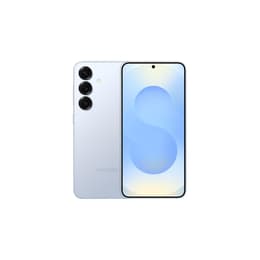
Galaxy S25
Starting at

Refurbished price:A$729.00

Versus A$1,399.00 new

See options
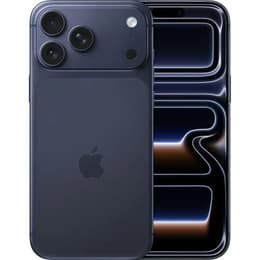
iPhone 17 Pro Max
Starting at

Refurbished price:A$1,746.00

Versus A$1,749.00 new

See options

Differences at a glance

The Samsung Galaxy S25 (2025) and the Apple iPhone 17 Pro Max (2025) represent two different approaches to high-end smartphone design, catering to users with distinct platform preferences and ergonomic priorities. While the Galaxy S25 delivers a compact and lightweight form factor running Android, the iPhone 17 Pro Max offers a much larger screen real estate and operating environment powered by iOS. These two devices diverge significantly in physical footprint, camera flexibility, and ecosystem integration while sharing top-tier processing capabilities.

Available Models

Colour

Storage (GB)

Scores

Durability

Both smartphones provide robust long-term utility, though they differ in their software ecosystems and physical durability profiles.

  • Software support lifecycle: Both manufacturers provide multi-year operating system upgrades and security patches, ensuring the devices remain secure and current for years following their respective 2025 release windows.
  • Build resilience: The Galaxy S25 uses strengthened glass and an aluminum frame in a compact body, whereas the iPhone 17 Pro Max employs a heavy-duty unibody frame with advanced surface protection designed to handle daily wear.
  • Repairability framework: Both models feature standardized internal layouts supported by manufacturer repair programs, though professional assistance is typically recommended for component replacements.

Release year

2025

2025

Operating system

Android

iOS

Foldable

No

No

Performance

Performance capabilities on both devices handle intensive daily routines, demanding applications, and extensive multitasking with ease.

  • System responsiveness: Both models run complex software smoothly, maintaining fast app launch times and responsive navigation without noticeable stutter during heavy workloads.
  • Multitasking capacity: Generous onboard memory allocations on both units allow background applications to remain active and switch seamlessly without requiring frequent reloads.
  • Thermal management: Extended gaming sessions or high-resolution video exports run efficiently, with internal cooling systems managing heat dissipation to sustain stable operation over long periods.

Screen quality

Visual output differs primarily in scale and physical dimensions, though both deliver sharp clarity and vibrant color reproduction.

  • Display technology: Both devices utilize advanced OLED panels that produce deep black levels, high contrast ratios, and crisp text rendering for reading or media consumption.
  • Outdoor visibility: High peak brightness capabilities on both screens ensure that menus, web pages, and camera finders remain legible under direct sunlight.
  • Motion smoothness: High refresh rate support enables fluid scrolling through feeds and responsive touch feedback during gaming or general navigation.

Resolution

1080x2340

2868x1320

Audiovisual

Imaging capabilities on both models provide flexible photography and videography tools suited for everyday memories and creative projects.

  • Lens versatility: Both systems incorporate multi-lens configurations featuring main wide sensors and supporting options for ultra-wide and zoomed framing.
  • Low-light processing: Advanced sensor hardware and computational photography tools capture clear details and balanced lighting in dim environments without excessive noise.
  • Video recording: Both smartphones record stabilized footage in high resolutions, complemented by clear microphone pickup for calls and video sound tracks. Choosing a quality-assured refurbished option provides a sustainable choice for accessing these advanced multimedia features.

Miscellaneous

Practical everyday features vary across connectivity, physical dimensions, and handling characteristics.

  • Connectivity standards: Both devices support current-generation mobile networks, fast Wi-Fi protocols, and near-field communication for digital payments and pairing.
  • Physical dimensions: The Galaxy S25 provides a compact and lightweight footprint that fits easily into smaller pockets and supports comfortable one-handed use, while the iPhone 17 Pro Max presents a much larger, heavier chassis designed for maximum viewing space.
  • Authentication methods: Security relies on advanced facial recognition or secure in-display biometric sensors depending on the chosen platform.

Weight

162 oz

233 oz

Screen size (in)

6.2

6.9

Network

5G

5G

SIM card

Physical SIM + eSIM

eSIM

Carrier compatibility

Unlocked

Unlocked

What the community thinks

User discussions across online communities highlight distinct preferences for each device based on daily habits and software familiarity. Owners of the Galaxy S25 frequently praise its lightweight handling, comfortable pocket-friendly dimensions, and versatile Android customization options. Conversely, users of the iPhone 17 Pro Max often emphasize appreciation for its expansive display surface, long battery endurance during heavy media consumption, and seamless integration with other Apple devices. Common criticisms center mainly on the large physical footprint of the larger model and the closed nature of iOS for certain power users.

Users prioritizing a compact, easily manageable device for one-handed operation will find the Galaxy S25 well-suited to their daily routine. Meanwhile, users prioritizing maximum screen space for media viewing and long battery endurance will lean toward the iPhone 17 Pro Max. Evaluating these models through an eco-friendly, quality-assured refurbished option allows consumers to make a sustainable choice that aligns with their technical preferences.


See all articles

Our recent comparisons