
Compare models
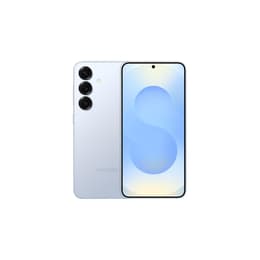
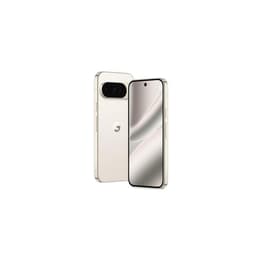
Galaxy S25 vs Google Pixel 10 Pro
- 1-year warranty
- Free standard shipping
- Free 30-day returns
Differences at a glance
The Samsung Galaxy S25 (2025) and the Google Pixel 10 Pro (2025) represent two distinct approaches to high-end flagship smartphones. While both devices deliver powerful performance and advanced capabilities, they differ significantly in their user interfaces, camera execution, and physical dimensions. Running on Android, each model applies a unique software philosophy to daily operation, making them suited to different user preferences without relying on technical complexities.
Available Models
Colour
Storage (GB)
Scores
Durability
Both smartphones provide robust physical durability and long-term software support, though their update timelines and hardware designs cater to different longevity expectations.
- Software support duration: Both manufacturers provide extensive multi-year software and security update commitments, helping the devices remain secure and current over several years of ownership.
- Build resilience: Each model incorporates durable glass and metal frames with high water and dust resistance ratings, standing up reliably to regular daily handling.
- Repair framework: Authorized repair paths are widely available for both product lines, ensuring that components like batteries and displays can be serviced over time. Choosing a quality-assured refurbished option from Back Market extends the operational lifecycle of these devices sustainably.
Release year
2025
2025
Operating system
Android
Android
Foldable
No
No
Performance
System capabilities and multitasking behaviors vary between the two devices based on memory configurations and component tuning.
- Multitasking capacity: The Google Pixel 10 Pro features generous random access memory allocation, allowing smooth handling of multiple demanding applications simultaneously, whereas the Galaxy S25 balances efficient resource management for steady day-to-day execution.
- System responsiveness: Both handsets handle rapid app switching, resource-heavy gaming, and complex software tools smoothly, though their underlying processing architectures distribute workloads differently.
- Battery behavior: The Galaxy S25 utilizes a compact cell optimized for a lighter frame, while the Pixel 10 Pro houses a larger battery capacity to sustain extended periods of intensive usage before needing a recharge.
Screen quality
Display characteristics differ slightly in physical footprint and peak luminescence, impacting overall media consumption and outdoor usability.
- Panel technology and clarity: Both models utilize advanced organic light-emitting diode displays with adaptive high refresh rates, ensuring fluid scrolling and deep contrast levels for video playback.
- Outdoor visibility: High peak brightness capabilities on both screens allow content to remain legible under direct sunlight, reducing glare during outdoor navigation.
- Size and handling: The Galaxy S25 offers a more compact screen format geared toward single-handed operation, while the Pixel 10 Pro provides a slightly larger viewing area for immersive media reading and viewing.
Resolution
1080x2340
1280x2856
Audiovisual
Photographic outputs and multi-lens configurations provide flexible options for capturing everyday moments and detailed scenery.
- Lens versatility: The Pixel 10 Pro includes a dedicated high-resolution telephoto lens supporting extended optical zoom, whereas the Galaxy S25 focuses on a streamlined multi-camera array tuned for balanced everyday photography.
- Low-light performance: Advanced computational processing on both devices brightens dark scenes effectively while managing noise in evening or indoor environments.
- Audio and video tools: Integrated multi-microphone arrays capture clear audio for calls and video recording, paired with steady stabilization features for moving shots.
Miscellaneous
External features, connectivity standards, and physical ergonomics shape the daily user experience of each handset.
- Connectivity and ports: Both smartphones support modern fifth-generation cellular networks, fast wireless standards, and universal reversible charging ports.
- Biometric security: Responsive in-display fingerprint sensors and secure facial recognition options provide quick device unlocking.
- Form factor: The Galaxy S25 maintains a notably thin and lightweight profile for pocket-friendly portability, while the Pixel 10 Pro features a slightly heavier, prominent camera bar design on the rear panel.
Weight
162 oz
207 oz
Screen size (in)
6.2
6.3
Network
5G
5G
SIM card
Physical SIM + eSIM
Physical SIM + eSIM
Carrier compatibility
Unlocked
Unlocked
What the community thinks
User feedback from online communities highlights distinct preferences for each device. Owners of the Galaxy S25 frequently praise its lightweight handling, compact pocket profile, and fast system navigation. At the same time, some users note that its smaller battery capacity requires more frequent attention during heavy usage days. Conversely, users frequently commend the Pixel 10 Pro for its versatile zoom capabilities, bright display panel, and robust multitasking memory, though some point out that its physical footprint feels heavier in the hand.
Users prioritizing a compact, easily manageable physical form factor may prefer the Galaxy S25, while users prioritizing long-range photographic zoom and expanded multitasking headroom may lean toward the Pixel 10 Pro. Exploring a quality-assured refurbished model via Back Market offers a sustainable choice that aligns high-end mobile technology with eco-conscious purchasing decisions.