Compare models
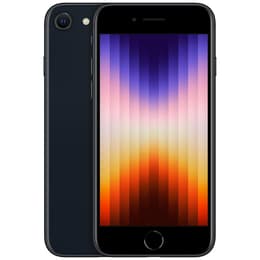
iPhone 17 vs iPhone SE (2022)
- 1-year warranty
- Free standard shipping
- Free 30-day returns
Differences at a glance
The iPhone 17 (2025) and iPhone SE (2022) represent two distinct approaches to smartphone design within Apple's ecosystem, bridging a significant generational gap in technology and form factor. While the iPhone 17 features modern full-screen architecture and dynamic interface elements, the iPhone SE (2022) maintains a traditional physical home button design paired with a compact footprint. Both devices run on iOS, though differences in release timing mean they occupy different stages of their software support lifecycles, catering to users with contrasting preferences in mobile technology.
Available Models
Colour
Storage (GB)
Scores
Durability
When evaluating the long-term utility of these two smartphones, several factors including software support timelines and hardware longevity shape their expected daily lifespan.
- Software longevity: The iPhone 17 benefits from a much later release year, positioning it to receive iOS security and feature updates significantly longer than the iPhone SE (2022).
- Build durability: The iPhone 17 incorporates updated exterior glass and advanced frame materials designed to withstand daily wear, whereas the iPhone SE (2022) uses a classic glass-and-aluminum construction aligned with older durability standards.
- Repair availability: Both devices benefit from standardized component replacement networks, though newer models often maintain parts availability further into the future as a quality-assured refurbished option from sustainable retail platforms.
Release year
2025
2022
Compatible with latest Update
Yes
Yes
Operating system
iOS
iOS
Foldable
No
No
Performance
Daily operational speed, multitasking behavior, and battery endurance vary notably due to the generational gap between the two internal processing architectures.
- Multitasking and app execution: The iPhone 17 handles demanding applications, resource-heavy games, and rapid switching between multiple background tasks smoothly, while the iPhone SE (2022) manages everyday communication tools and standard web browsing efficiently with occasional limits under heavy loads.
- Battery behavior: The iPhone 17 features enhanced power efficiency that comfortably sustains extended use throughout a busy day, whereas the iPhone SE (2022) has a smaller battery capacity that typically requires more frequent charging for heavy users.
- Storage configurations: The iPhone 17 offers higher baseline storage tiers to accommodate large media libraries, while the iPhone SE (2022) focuses on modest capacities suited for lighter data storage needs.
Screen quality
Visual output and display interaction differ substantially between the immersive panel technology of the newer model and the compact screen of the legacy design.
- Display technology: The iPhone 17 utilizes an advanced OLED panel delivering deep black levels, high contrast, and vivid color reproduction, while the iPhone SE (2022) employs an LCD screen with standard contrast ratios.
- Brightness and outdoor visibility: The iPhone 17 achieves higher peak brightness levels for clear legibility under direct sunlight, whereas the iPhone SE (2022) requires manual shade adjustment in bright outdoor environments.
- Screen dimensions: The iPhone 17 provides a larger viewing area optimized for media consumption and reading, while the iPhone SE (2022) offers a smaller 4.7-inch display tailored for effortless single-handed operation.
Audiovisual
Multimedia capture capabilities and audio-visual output reflect the substantial evolution in sensor technology and speaker design over the years.
- Photography performance: The iPhone 17 includes multi-lens camera arrays with advanced low-light processing and wide-angle flexibility, while the iPhone SE (2022) relies on a single rear camera that captures clear daylight photos but struggles in dimly lit settings.
- Video recording: The iPhone 17 supports advanced stabilization features, cinematic focus shifts, and higher resolution formats, whereas the iPhone SE (2022) provides reliable standard high-definition video capture.
- Audio output: Stereo speakers on the iPhone 17 deliver a fuller soundstage for media playback, while the iPhone SE (2022) offers functional mono or basic stereo sound suitable for podcasts and calls.
Front camera
18 megapixels
7 megapixels
Miscellaneous
Practical everyday features such as biometric security, connectivity standards, and physical handling characteristics define the core user experience.
- Biometric authentication: The iPhone 17 uses advanced facial recognition for secure unlocking, while the iPhone SE (2022) retains the physical Touch ID fingerprint sensor embedded in the home button.
- Connectivity standards: The iPhone 17 incorporates modern cellular and Wi-Fi chipsets for faster network speeds, whereas the iPhone SE (2022) utilizes previous-generation wireless connectivity.
- Physical dimensions: The iPhone 17 features a larger, modern chassis with flat edges, while the iPhone SE (2022) is noticeably lighter and more compact, fitting easily into smaller pockets.
Weight
177 oz
144 oz
Screen size (in)
6.3
4.7
SIM card
Physical SIM + eSIM
Physical SIM + eSIM
Carrier compatibility
Unlocked
Unlocked
Connector
USB-C
Lightning
What the community thinks
Community discussions and user feedback indicate distinct preferences for each device depending on individual daily requirements. Users who prioritize a modern display, extended software longevity, and versatile camera capabilities frequently lean toward the iPhone 17. Conversely, users who prefer a compact device, physical home button navigation, and simple communication tools often find the iPhone SE (2022) aligns well with their habits. Choosing between them depends entirely on whether modern performance features or a traditional, pocket-friendly form factor matters more to your routine.
For those looking to make an eco-friendly choice, purchasing a quality-assured refurbished model provides a sustainable pathway to acquiring either device without compromising on reliability. Assessing your core priorities regarding screen size, battery endurance, and software support will help clarify which smartphone best suits your daily lifestyle.