
Compare models
Galaxy S25 Edge vs iPhone 17
- 1-year warranty
- Free standard shipping
- Free 30-day returns
Differences at a glance
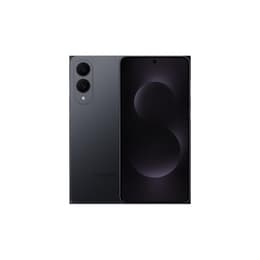
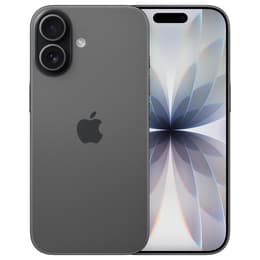
The Samsung Galaxy S25 Edge (2025) and the iPhone 17 (2025) represent contemporary flagship smartphone engineering from two major ecosystems. While both devices deliver robust everyday utility, high-refresh-rate displays, and capable multi-lens cameras, they diverge significantly in physical footprint, operating system environments, and hardware priorities.
Operating on Android and iOS respectively, these models cater to users with distinct platform preferences while maintaining the performance standards expected from modern mobile devices.
Available Models
Colour
Storage (GB)
Scores
Durability
Both smartphones benefit from recent release windows and long-term manufacturer commitments, though their physical endurance and software support lifecycles differ slightly based on ecosystem policies.
- Software longevity: Both models receive multi-year operating system upgrades and security patches, ensuring the software remains current for several years. Selecting a quality-assured refurbished option from Back Market provides an eco-friendly alternative that extends device life cycles further.
- Build resilience: The Galaxy S25 Edge utilizes a titanium frame paired with advanced scratch-resistant glass, while the iPhone 17 features an aluminum design protected by reinforced ceramic front shielding, both offering high levels of daily durability against standard wear.
- Repair framework: Both manufacturers provide structured repair programs and diagnostic tools, resulting in comparable ease of repair for authorized service centers over time.
Release year
2025
2025
Operating system
Android
iOS
Foldable
No
No
Performance
Equipped with current-generation internal hardware, both devices handle intensive workloads, fluid multitasking, and demanding mobile applications without noticeable slowdowns.
- Multitasking capacity: The Galaxy S25 Edge includes ample system memory to keep multiple demanding background applications open simultaneously, whereas the iPhone 17 relies on deeply integrated software optimization to manage background tasks efficiently.
- System fluidity: App launching, web browsing, and heavy gaming run smoothly and responsively on both platforms, supported by modern thermal management designs that prevent overheating during prolonged use.
- Storage and power behavior: Both models are available in generous starting storage configurations with no expandable slot, while their battery management systems typically sustain a full day of standard mixed usage under normal conditions.
Screen quality
Display technology is a primary differentiator between the two models, offering distinct screen sizes and panel characteristics tailored to varied visual preferences.
- Panel technology: The Galaxy S25 Edge features a large, high-resolution AMOLED display with deep contrast and vivid color reproduction, while the iPhone 17 utilizes an advanced OLED panel known for precise color accuracy and uniform brightness distribution.
- Outdoor visibility: Both screens reach high peak brightness levels, ensuring sharp text and clear images remain easily legible even under direct sunlight.
- Refresh rate dynamics: Both devices support adaptive refresh rates scaling up to 120 Hz, delivering smooth scrolling animations and responsive touch interactions during gaming and everyday navigation.
Audiovisual
Optics and media capture capabilities vary between the two manufacturers, each emphasizing different sensor configurations for everyday photography and videography.
- Still photography: The Galaxy S25 Edge employs an ultra-high-resolution primary sensor alongside a wide-angle lens for detailed landscape and close-up captures, whereas the iPhone 17 uses a dual-lens system optimized for balanced color science and low-light clarity.
- Video recording: Both smartphones record stable, high-definition video with advanced stabilization features, clear multi-microphone audio capture, and reliable autofocus tracking suitable for content creation.
- Media consumption: Built-in stereo speaker systems on both devices deliver clear sound output and spatial audio support for comfortable media streaming without external headphones.
Miscellaneous
Practical daily usability is shaped by physical dimensions, biometric security features, and modern connectivity standards built into each chassis.
- Handling and dimensions: The Galaxy S25 Edge features a remarkably slim profile and a larger screen footprint, whereas the iPhone 17 offers a more compact, lightweight slate form factor that fits easily into smaller pockets.
- Connectivity suite: Both devices support rapid 5G network speeds, tri-band Wi-Fi standards, Bluetooth pairing, and near-field communication for mobile payments.
- Security and ports: The Galaxy S25 Edge relies on an in-display fingerprint sensor and facial recognition, while the iPhone 17 utilizes secure facial authentication, and both charge via standard reversible connection ports.
Weight
163 oz
177 oz
Screen size (in)
6.7
6.3
Network
5G
5G
SIM card
Physical SIM + eSIM
Physical SIM + eSIM
Carrier compatibility
Unlocked
Unlocked
What the community thinks
Choosing between the Samsung Galaxy S25 Edge and the iPhone 17 ultimately depends on individual platform preferences and physical design priorities. Users who prefer the customisation depth and file management flexibility of Android alongside a larger display canvas will find the Galaxy S25 Edge well-suited to their routine. Conversely, users invested in the Apple ecosystem who value a more compact physical footprint and streamlined interface integration will lean toward the iPhone 17.
Both smartphones offer reliable performance, modern connectivity, and long-term software support. For buyers seeking a sustainable choice, exploring quality-assured refurbished models on Back Market provides an eco-friendly alternative that delivers identical daily functionality while supporting circular consumption habits.