Compare models
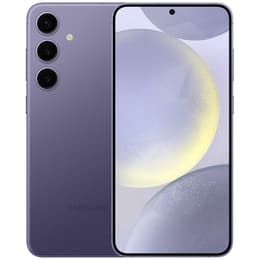
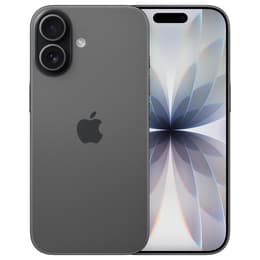
Galaxy S24+ vs iPhone 17
- 1-year warranty
- Free standard shipping
- Free 30-day returns
Differences at a glance
The Samsung Galaxy S24+ (2024) and the iPhone 17 (2025) represent upper-tier choices in the smartphone market, each operating on distinct software ecosystems with unique approaches to daily mobile computing. While the Galaxy S24+ runs on Android with custom interface features, the iPhone 17 utilizes iOS for a tightly integrated software experience. The primary differentiators between these two devices center on their operating systems, display sizes, and overall ecosystem integration, shaping how users interact with applications daily.
Available Models
Colour
Storage (GB)
Scores
Durability
When evaluating the long-term viability and software support of both devices, several structural factors influence how long each smartphone remains current and reliable for everyday use.
- Software Support Timeline: Both manufacturers provide extended multi-year update schedules, ensuring that each device receives security patches and operating system upgrades well into the future, with the newer release extending slightly further into its support lifecycle.
- Repairability and Build Longevity: Both models incorporate robust assembly methods designed to withstand typical wear and tear, though component availability and repair processes vary depending on regional service networks.
- Expected Practical Lifespan: Thanks to resilient internal hardware and enduring software backing, both smartphones maintain reliable daily performance across several years of ownership, making a quality-assured refurbished option a sustainable choice for long-term use.
Release year
2024
2025
Operating system
Android
iOS
Foldable
No
No
Performance
Underneath the exterior, both smartphones handle everyday multitasking, demanding applications, and high-end gaming with distinct resource management approaches.
- Storage and Multitasking: Both devices offer ample internal storage configurations paired with generous memory capacities, allowing users to switch between resource-intensive apps smoothly without noticeable stutter or slowdowns.
- Battery Behavior and Endurance: The Galaxy S24+ features a larger physical battery capacity capable of supporting extended usage periods, while the iPhone 17 relies on efficient power management to deliver reliable all-day endurance under typical conditions.
- System Responsiveness: Applications launch instantly, and system animations remain fluid across both platforms, providing a seamless user experience whether handling casual web browsing or sustained gaming sessions.
Screen quality
Display performance remains a central aspect of modern smartphones, with both devices employing advanced panel technologies to deliver sharp and vibrant viewing experiences.
- Display Technology: Both models utilize high-contrast organic light-emitting diode panels that produce deep blacks, vivid colors, and wide viewing angles suitable for media consumption and reading.
- Brightness and Outdoor Legibility: Peak brightness outputs on both screens ensure clear visibility under direct sunlight, allowing users to check notifications and view content outdoors without difficulty.
- Refresh Rates and Smoothness: High refresh rate support enables smooth scrolling through web pages and responsive touch feedback during gaming, while screen sizes differ slightly to accommodate varied viewing preferences.
Audiovisual
Imaging hardware and software processing dictate how well each smartphone captures photos and records video across varying lighting conditions.
- Camera System Capabilities: Both devices feature versatile multi-lens configurations incorporating main wide-angle lenses alongside secondary options for capturing ultra-wide perspectives and distant subjects.
- Low-Light and Everyday Photography: Automated image processing algorithms balance exposure and reduce noise in dimly lit environments, yielding clear details for casual snapshots and portraits alike.
- Video Recording and Audio: High-resolution video capture modes benefit from steady stabilization systems, while integrated microphone arrays record clear speech for phone calls and video messages.
Miscellaneous
Practical daily usability is further shaped by physical dimensions, connectivity standards, and hardware integrations built into each chassis.
- Connectivity and Ports: Both smartphones support modern fifth-generation cellular networks, fast wireless standards, and reliable Bluetooth connectivity, utilizing reversible port standards for charging and data transfer.
- Sensors and Security: Biometric authentication relies on secure facial recognition or fingerprint scanning technologies embedded directly into the hardware for quick device unlocking.
- Physical Dimensions and Handling: Ergonomic considerations dictate the physical footprint, with weight and width variations influencing how comfortably each device rests in the hand or pocket during daily travel.
Weight
196 oz
177 oz
Screen size (in)
6.7
6.3
Network
5G
5G
SIM card
Physical SIM + eSIM
Physical SIM + eSIM
Carrier compatibility
Unlocked
Unlocked
What the community thinks
User discussions across community forums highlight distinct preferences for each device, with Galaxy S24+ owners frequently praising the expansive display real estate, flexible customization options, and robust multitasking capabilities. Conversely, iPhone 17 users commonly emphasize the smooth ecosystem integration, consistent camera reliability, and streamlined software interface. Frequent criticisms for both models generally center on the gradual escalation of device dimensions and the absence of legacy ports.
Users prioritizing deep software customization, split-screen multitasking, and a larger screen workspace may prefer the Galaxy S24+, while users valuing seamless integration with other computing hardware and straightforward everyday operation will lean toward the iPhone 17. Choosing between these devices depends entirely on personal ecosystem preference and daily workflow habits. Selecting a quality-assured refurbished option from Back Market provides a sustainable path to acquiring either device while reducing electronic waste.