

Compare models
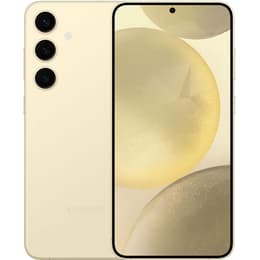
Galaxy S24 vs iPhone 17 Pro
- 1-year warranty
- Free standard shipping
- Free 30-day returns
Differences at a glance
The Samsung Galaxy S24 (2024) and the Apple iPhone 17 Pro (2025) represent distinct generations and operating systems within the high-end smartphone landscape. While the Galaxy S24 runs on Android via Samsung's One UI interface, the iPhone 17 Pro operates on Apple's iOS ecosystem. The primary differentiators between these devices center on their generational release gap, hardware capabilities, and platform preferences, offering unique user experiences depending on ecosystem loyalty.
Available Models
Colour
Storage (GB)
Scores
Durability
When evaluating the longevity and construction of these devices, several structural and software support factors come into play across their respective lifecycles.
- Release Timeline and Software Support: The iPhone 17 Pro benefits from a more recent 2025 launch window, paired with Apple's standard extended software update schedule. The Galaxy S24, released in early 2024, also provides multi-year operating system and security patch commitments, though its baseline hardware is older.
- Repairability and Build Integrity: Both smartphones utilize robust aluminum or titanium framing alongside reinforced glass layers, achieving standard dust and water resistance ratings (IP68). Independent repair assessments indicate moderate repairability for both models, requiring specialized tools for component replacements.
- Expected Practical Lifespan: Thanks to powerful internal components and prolonged software update pipelines, both devices maintain long-term functional viability for everyday tasks, multitasking, and media consumption over several years.
Release year
2024
2025
Compatible with latest Update
Yes
Yes
Operating system
Android
iOS
Foldable
No
No
Performance
Performance capabilities vary based on internal hardware configuration, memory allocation, and thermal efficiency during extended use sessions.
- Everyday Speed and Multitasking: Both smartphones handle demanding mobile applications, web browsing, and swift app switching smoothly, supported by generous RAM allocation and responsive system architecture.
- Battery Behavior: The Galaxy S24 features a standard cell capacity designed to manage daily moderate workflows, whereas the iPhone 17 Pro incorporates a larger battery paired with advanced thermal management, yielding solid endurance through long days of mixed use.
- Storage Configurations: Both devices are offered in various internal storage tiers to accommodate media libraries, document storage, and large applications without expandable memory slots.
Screen quality
Display characteristics shape everyday visual engagement, outdoor usability, and media playback fidelity on both devices.
- Display Technology and Clarity: The Galaxy S24 utilizes a vibrant OLED screen with sharp resolution and deep contrast, while the iPhone 17 Pro features a high-resolution OLED panel with adaptive refresh rate technology for fluid scrolling.
- Outdoor Brightness: Both screens reach high peak luminance levels, ensuring content remains legible under direct sunlight or bright ambient lighting conditions.
- Screen Size and Fluidity: The iPhone 17 Pro offers a slightly larger canvas with adaptive refresh rates scaling up to 120Hz, a characteristic shared with the Galaxy S24's smooth dynamic refresh capabilities.
Resolution
1080x2340
2622x1206
Screen type
Dynamic LTPO AMOLED 2X
Super Retina XDR
Audiovisual
Optics and multimedia configurations dictate how each smartphone captures memories and handles audio-visual playback.
- Camera Array Versatility: Both models are equipped with versatile multi-lens rear camera systems, including primary, ultra-wide, and telephoto lenses capable of capturing detailed imagery in varied lighting environments.
- Video and Audio Recording: Video recording remains stable and detailed on both devices, supported by advanced digital stabilization and clear multi-microphone arrays designed for calls and ambient audio capture.
- Media and Speaker Quality: Integrated stereo speaker setups deliver clear audio output for hands-free calls, podcasts, and casual video viewing without requiring external speakers.
Main camera
50 megapixels
48 megapixels
Front camera
12 megapixels
18 megapixels
Miscellaneous
Practical daily usability elements encompass connectivity standards, physical dimensions, and biometric security features.
- Connectivity and Ports: Both devices support modern 5G networks, fast Wi-Fi standards, and Bluetooth, utilizing a standard USB-C port for charging and data synchronization.
- Biometric Security: The Galaxy S24 offers an under-display fingerprint sensor and facial recognition, while the iPhone 17 Pro relies on secure 3D facial recognition integrated into its display cutout.
- Physical Handling: Ergonomic dimensions and balanced weight distributions ensure comfortable single-handed operation and pocketability for everyday travel and professional use.
Weight
167 oz
206 oz
Screen size (in)
6.2
6.3
Network
5G
5G
SIM card
Physical SIM + eSIM
eSIM
Carrier compatibility
Unlocked
Unlocked
Connector
USB-C
USB-C
What the community thinks
User discussions across community platforms frequently highlight the Galaxy S24 for its compact form factor, versatile software customization, and reliable everyday feature set. Conversely, the iPhone 17 Pro receives praise for its robust battery life, fluid display technology, and seamless integration within the broader Apple hardware ecosystem. Common criticisms for both devices generally focus on high baseline storage costs and the absence of expandable memory slots.
Users deeply invested in the Android operating system who prioritize a lighter, more compact handset will find the Galaxy S24 well-suited to their daily routines. On the other hand, users embedded in the iOS ecosystem who value extended battery endurance and fluid screen responsiveness will lean toward the iPhone 17 Pro. For consumers seeking a sustainable choice, choosing a quality-assured refurbished option provides an eco-friendly alternative that extends device life cycles without compromising core functionality.