
Google Pixel 8 Pro vs Motorola Edge 50 Fusion

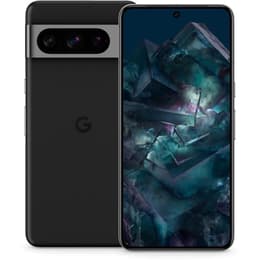
Google Pixel 8 Pro
Google Pixel 8 Pro
Starting at

Refurbished price:A$564.00

Versus A$2,015.00 new

See options
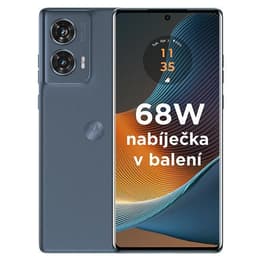
Motorola Edge 50 Fusion
See options

The Google Pixel 8 Pro (2023) and the Motorola Edge 50 Fusion (2024) are both Android smartphones, yet they cater to different user priorities through their design and feature sets. While the Pixel 8 Pro emphasizes advanced computational photography and long-term software support, the Edge 50 Fusion focuses on a balanced user experience with a strong display and battery life.

Scores

Durability

The practical lifespan of a smartphone is significantly influenced by its release timeline, software support, and repairability.

  • Release Timeline: The Google Pixel 8 Pro was released in October 2023, making it a slightly older device compared to the Motorola Edge 50 Fusion, which launched in May 2024. This difference in release dates impacts their respective software support windows.
  • OS Support: Google offers an extensive seven years of OS and security updates for the Pixel 8 Pro, extending support until October 2030. In contrast, the Motorola Edge 50 Fusion is promised three years of Android OS updates (up to Android 17) and four years of security patches. Users report mixed experiences with Motorola's update consistency.
  • Repairability: The Pixel 8 Pro has a decent repairability score of 7 out of 10, with good parts availability and ease of screen replacement, though battery replacement can be challenging. Google has also committed to making parts available for seven years. While no specific repairability score is available for the Edge 50 Fusion, durability tests suggest it is robust, withstanding significant drops. However, some users have reported issues with Motorola's service and replacement policies.

Release year

2023

2024

Compatible with latest Update

Yes

Yes

Operating system

Android

Android

Foldable

No

No

Performance

Performance in daily use is a key differentiator, affecting how smoothly applications run and how efficiently the device handles various tasks.

  • Processor Capabilities: The Google Pixel 8 Pro is powered by a processor designed for advanced AI features and efficient handling of demanding applications. This allows for smooth multitasking, responsive app loading, and enhanced on-device AI processing. The Motorola Edge 50 Fusion features a processor that capably handles everyday tasks like browsing, streaming, and light gaming. However, some users have noted potential lag with heavier multitasking or more intensive gaming sessions.
  • Storage and RAM: The Pixel 8 Pro offers various storage options, including 128GB, 256GB, 512GB, and a 1TB variant. It typically comes with 12GB of RAM. The Edge 50 Fusion is available with 256GB or 512GB of storage, and 8GB or 12GB of RAM. For users who frequently store large files or run many applications simultaneously, the Pixel 8 Pro's higher RAM and storage options may offer a slight advantage.
  • Battery Behavior: The Pixel 8 Pro is equipped with a 5050 mAh battery, promising extended usage, though some users have reported inconsistent battery life and slower charging speeds. The Motorola Edge 50 Fusion also features a 5000 mAh battery and is noted for its impressive endurance, with claims of over 30 hours of battery life under light usage. It also supports 68W fast charging.

Memory (GB)

12 GB

12 GB

Screen quality

The display is the primary interface for interaction, and differences in screen technology, resolution, and brightness can significantly impact the viewing experience.

  • Display Technology and Resolution: The Google Pixel 8 Pro features a 6.7-inch QHD+ LTPO OLED display with a resolution of 2992 x 1344 pixels, resulting in a sharp 489 pixels per inch (ppi). This provides a highly detailed and vibrant viewing experience. The Motorola Edge 50 Fusion has a 6.7-inch pOLED display with a Full HD+ resolution of 2400 x 1080 pixels, offering a pixel density of 395 ppi. Both displays offer deep blacks and good contrast inherent to OLED technology.
  • Brightness and Refresh Rate: The Pixel 8 Pro's display can reach a peak brightness of 2000 nits, making it highly visible even in bright outdoor conditions. It also features a variable refresh rate ranging from 1Hz to 120Hz, which contributes to smooth scrolling and can conserve battery life. The Edge 50 Fusion offers a peak brightness of 1600 nits and a higher fixed refresh rate of 144Hz, providing a very fluid visual experience.
  • Design and Viewing Experience: Both devices feature curved displays, contributing to a modern aesthetic and immersive viewing. The Pixel 8 Pro's higher resolution and wider dynamic refresh rate may appeal to users who prioritize crispness and adaptive smoothness, while the Edge 50 Fusion's 144Hz refresh rate offers consistent fluidity.

Resolution

1344 x 2992

1080 x 2400

Screen type

LTPO OLED

P-OLED

Audiovisual

Camera capabilities are a major consideration for many users, encompassing everything from everyday snapshots to specialized photography and video recording.

  • Rear Camera Systems: The Google Pixel 8 Pro boasts a versatile triple-camera system, including a 50 MP wide lens, a 48 MP ultrawide lens, and a 48 MP telephoto lens with 5x optical zoom. This setup is designed for a wide range of photographic scenarios, from expansive landscapes to detailed distant subjects. The Motorola Edge 50 Fusion features a dual-camera setup with a 50 MP main sensor (Sony LYT-700C with OIS) and a 13 MP ultrawide lens that also functions for macro photography. Users have praised the Edge 50 Fusion for delivering sharp and vibrant images.
  • Photography Performance: The Pixel 8 Pro is known for its computational photography, which enhances image quality across various conditions, including low light. However, some users have noted that burst shots can be slow, and photo processing can cause temporary lag. The Edge 50 Fusion's main camera, with optical image stabilization (OIS), performs well in everyday conditions, and its ultrawide camera is also capable.
  • Video and Front Camera: Both phones support 4K video recording. For selfies and video calls, the Pixel 8 Pro has a 10.5 MP front camera, while the Edge 50 Fusion features a higher resolution 32 MP front camera. The Pixel's video capabilities are generally strong, though some users have reported mixed results.

Main camera

50 megapixels

50 megapixels

Front camera

10.5 megapixels

32 megapixels

Miscellaneous

Beyond core features, several practical elements contribute to the overall user experience, including connectivity, physical design, and additional functionalities.

  • Connectivity and Ports: Both the Google Pixel 8 Pro and the Motorola Edge 50 Fusion support 5G connectivity, ensuring access to fast mobile data networks. They also include modern Wi-Fi standards and Bluetooth for wireless connections. Both devices utilize a USB-C port for charging and data transfer.
  • Sensors and Security: The Pixel 8 Pro offers both an in-display fingerprint sensor and Face Unlock, with the latter achieving the highest Android security level. The Edge 50 Fusion also features an optical (under-screen) fingerprint scanner and facial recognition for secure unlocking.
  • Design and Build: The Pixel 8 Pro measures 162.6 x 76.5 x 8.8mm and weighs 213g, featuring a glass front and back (Gorilla Glass Victus 2). The Edge 50 Fusion is slightly lighter and thinner at 161.9 x 73.1 x 7.9 mm and 175g. It comes with a vegan leather or plastic back and a plastic frame, offering IP68 dust and water resistance.

Weight

213 oz

175 oz

Screen size (in)

6.7

6.7

Network

5G

5G

SIM card

Physical SIM + eSIM

Dual Physical SIM

Carrier compatibility

Unlocked

Unlocked

Connector

USB-C

USB-C

The Google Pixel 8 Pro and Motorola Edge 50 Fusion offer distinct experiences, each with its own set of strengths and considerations based on user feedback and specifications.

Users often praise the Pixel 8 Pro for its exceptional camera capabilities, particularly its computational photography features, and its clean, intuitive Android experience. The commitment to seven years of software updates is also a significant advantage, ensuring long-term relevance and security. However, some users have expressed concerns regarding inconsistent battery life, potential overheating, and occasional interface bugs. The starting storage of 128GB has also been a point of contention for some.

The Motorola Edge 50 Fusion is frequently lauded for its impressive battery life, vibrant pOLED display with a high refresh rate, and capable camera system for its segment. Its lightweight design and IP68 rating are also appreciated. On the other hand, criticisms often revolve around Motorola's software update consistency, with some users expressing distrust despite the promised three years of OS updates. There have also been reports of potential lag during heavy multitasking and isolated hardware issues.

Users prioritizing cutting-edge camera technology, advanced AI features, and the longest possible software support will find the Google Pixel 8 Pro well-suited to their needs. Its extended update policy makes it a strong choice for those who keep their devices for many years. Conversely, users who value consistent, long-lasting battery performance, a fluid high-refresh-rate display, and a lighter build for everyday use may lean toward the Motorola Edge 50 Fusion. Both devices represent solid choices within the Android ecosystem, and considering a quality-assured refurbished option for either model can be an eco-friendly alternative to purchasing new.
See all articles

Our recent comparisons