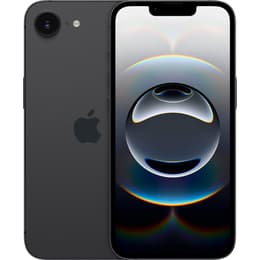
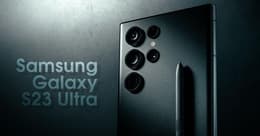
Galaxy S23 Ultra vs iPhone 16e

Galaxy S23 Ultra
Galaxy S23 Ultra
Starting at

Refurbished price:A$688.00

Versus A$1,949.00 new

See options
iPhone 16e
iPhone 16e
Starting at

Refurbished price:A$838.00

Versus A$999.00 new

See options

Ratings

The Samsung Galaxy S23 Ultra, released in February 2023, is a high-end Android smartphone known for its expansive display and versatile camera system. The iPhone 16E, introduced in February 2025, serves as an entry-level model within Apple's iPhone 16 series, offering a streamlined iOS experience. These devices cater to different user preferences, with the S23 Ultra emphasizing advanced features and productivity, while the iPhone 16E focuses on core Apple functionalities within a more accessible package.

Scores

Durability

When considering the practical lifespan of these devices, both offer substantial software support, though their release timelines differ. The Galaxy S23 Ultra, launched in early 2023, typically receives four generations of Android OS upgrades and five years of security updates, extending its official support until around 2028. [1, 19] The iPhone 16E, released in early 2025, benefits from Apple's generally longer software support, which often spans five to seven years for major iOS updates, with security patches extending even further. [7, 11, 18, 26]

  • Software Longevity: The iPhone 16E is expected to receive major iOS updates for a longer duration compared to the Galaxy S23 Ultra's Android update cycle, offering extended access to new features and security enhancements. [7, 11, 18, 26]
  • Repairability: Both devices are designed with a degree of repairability in mind, allowing for component replacement to extend their functional life. Opting for a quality-assured refurbished option for either model can further contribute to a sustainable choice, extending the device's utility.
  • Practical Lifespan: Users prioritizing the latest software features for the longest possible time may find the iPhone 16E's update policy more aligned with their needs, while the S23 Ultra still offers several years of robust performance and security. [1, 19]

Release year

2023

2025

Operating system

Android

iOS

Foldable

No

No

Performance

The performance capabilities of the Galaxy S23 Ultra and iPhone 16E reflect their respective positions in the market and release years. The S23 Ultra, a 2023 flagship, features a powerful processor designed for demanding tasks, while the 2025 iPhone 16E incorporates a more recent, yet potentially less powerful, Apple chip.

  • Processing Power: The Galaxy S23 Ultra handles intensive applications, advanced multitasking, and graphically rich games with fluidity, thanks to its high-end processor. [23, 40] The iPhone 16E, powered by a newer Apple chip, provides a smooth and responsive experience for everyday use, app navigation, and moderate gaming, with support for Apple Intelligence features. [16, 21]
  • Multitasking and Storage: The S23 Ultra offers various storage configurations, including options with higher RAM, which supports extensive multitasking and keeps numerous applications active in the background. [1, 10] The iPhone 16E comes with 8GB of RAM and standard storage options, providing efficient performance for typical user workflows within the iOS ecosystem. [9, 16, 21]
  • Battery Behavior: The Galaxy S23 Ultra is noted for its substantial battery capacity, often providing up to two days of use for moderate users and lasting through a full day of heavy usage. [4, 5, 12, 43] The iPhone 16E is expected to offer reliable all-day battery life for most users, with a video playback duration of up to 26 hours. [20]

Memory (GB)

12 GB

8 GB

Screen quality

The visual experience on the Galaxy S23 Ultra and iPhone 16E presents distinct characteristics, primarily due to differences in display technology and design philosophy.

  • Display Technology and Clarity: The Galaxy S23 Ultra features a large 6.8-inch Dynamic AMOLED 2X display with a high resolution, offering vibrant colors, deep blacks, and sharp detail, making it suitable for media consumption and productivity. [1, 2, 10, 15, 22] The iPhone 16E comes with a 6.06-inch LTPS OLED screen, providing good clarity and color reproduction, similar to the iPhone 14 display, but maintains a traditional notch design. [14, 16, 20]
  • Brightness and Refresh Rate: The S23 Ultra's display can reach a peak brightness of 1750 nits and features an adaptive refresh rate of 1-120Hz, ensuring smooth scrolling and good visibility in bright outdoor conditions. [1, 2, 10, 15] The iPhone 16E has a peak brightness of 800 nits and a standard 60Hz refresh rate, which is suitable for general use but may not offer the same fluidity as higher refresh rate displays. [9, 14, 16]
  • Viewing Experience: The S23 Ultra's larger, curved display provides an immersive viewing experience, particularly for videos and detailed content. The iPhone 16E offers a compact and comfortable viewing experience for users who prefer a smaller form factor, though its 60Hz refresh rate might be a point of consideration for some. [14, 16, 35]

Resolution

1440 x 3088

2532x1170

Audiovisual

Both devices offer capable camera systems, but they are designed with different photographic strengths and user experiences in mind.

  • Rear Camera System: The Galaxy S23 Ultra boasts a versatile quad-camera setup, including a 200-megapixel main sensor, a 12-megapixel ultrawide, and two 10-megapixel telephoto lenses offering 3x and 10x optical zoom, capable of up to 100x digital zoom. [1, 2, 6, 8, 10, 17] This system excels in capturing detailed photos, especially with its advanced zoom capabilities and low-light performance. [6, 37, 40] The iPhone 16E features a single 48-megapixel rear camera, which utilizes computational photography for quality images and includes 1x and 2x optical zoom options. [9, 14, 16, 20, 21]
  • Front Camera and Video: Both phones include a 12-megapixel front camera for selfies and video calls. [1, 2, 6, 10] The S23 Ultra supports 8K video recording, making it a strong tool for content creators. [23] The iPhone 16E records video in 4K with Dolby Vision up to 60 frames per second, offering good quality for everyday video capture. [21]
  • Audio Output: The S23 Ultra provides well-rounded audio output for media consumption. The iPhone 16E also delivers a decent audio experience for calls and media.

Front camera

12 megapixels

TrueDepth 12MP

Miscellaneous

Beyond their core functionalities, both the Galaxy S23 Ultra and iPhone 16E incorporate various features that enhance user interaction and connectivity.

  • Connectivity and Ports: Both devices support 5G connectivity for fast mobile data. The Galaxy S23 Ultra features advanced Wi-Fi standards and a USB-C port. The iPhone 16E also includes a USB-C port, marking Apple's transition from Lightning across its lineup. [20] The iPhone 16E uses an Apple-designed modem that supports sub-6GHz 5G but not mmWave 5G. [20, 21]
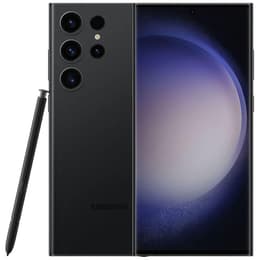
  • Biometric Security and Unique Features: The S23 Ultra utilizes an ultrasonic in-screen fingerprint sensor for secure unlocking. [1] A notable feature of the S23 Ultra is its integrated S Pen, which enhances productivity for note-taking, drawing, and navigation. [23, 40] The iPhone 16E relies on Face ID for biometric authentication and includes an Action Button, replacing the traditional mute switch. [9, 14, 16, 20]
  • Build and Handling: The S23 Ultra has a larger form factor and a premium build with a curved display. The iPhone 16E features a flat metal frame and a glass back with a ceramic protective coating, sharing dimensions and front design with the iPhone 14, offering a more compact and potentially lighter feel. [14, 16, 20]

Weight

234 oz

167 oz

Screen size (in)

6.8

6.1

Network

5G

5G

SIM card

Physical SIM + eSIM

Physical SIM + eSIM

Carrier compatibility

Unlocked

Unlocked

Connector

USB-C

USB-C

The Samsung Galaxy S23 Ultra and iPhone 16E cater to distinct user needs, reflecting their different design philosophies and target audiences. Users often praise the S23 Ultra for its exceptional camera system, particularly its zoom capabilities and detailed image capture, as well as its long-lasting battery life and the versatility offered by the integrated S Pen. [39, 40, 43] Some common criticisms for Android flagships like the S23 Ultra can include the complexity of its software for some users or its larger size and weight. [39]

For the iPhone 16E, user sentiment for non-Pro iPhones generally highlights the intuitive and secure iOS ecosystem, consistent performance for everyday tasks, and strong privacy features. [33, 41] Potential criticisms for a non-Pro iPhone model might include the 60Hz display refresh rate, which some users find less fluid compared to higher refresh rate screens on other devices, and the absence of advanced camera features found in flagship models. [35, 41, 42]

Users prioritizing a comprehensive feature set, advanced photography tools, and a large display for productivity and media consumption may find the Galaxy S23 Ultra well-suited to their needs. Conversely, individuals seeking a reliable, user-friendly smartphone with strong software support and seamless integration into the Apple ecosystem, in a more compact form factor, may lean towards the iPhone 16E. Both devices represent solid choices within their respective categories, and considering a quality-assured refurbished option for either can be an eco-friendly alternative for making an informed purchasing decision.

See all articles

Our recent comparisons