Compare models

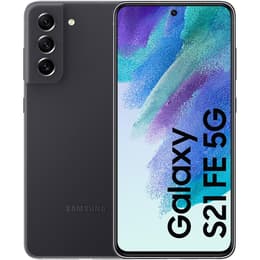
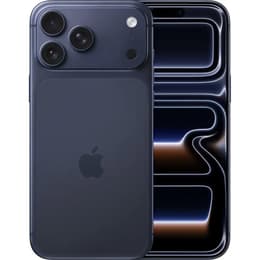
Galaxy S21 FE 5G vs iPhone 17 Pro Max

  • 1-year warranty
  • Free standard shipping
  • Free 30-day returns
Galaxy S21 FE 5G
Starting at

Refurbished price:A$275.00

Versus A$1,252.00 new

See options
iPhone 17 Pro Max
Starting at

Refurbished price:A$1,650.00

Versus A$2,199.00 new

See options

Differences at a glance

The Samsung Galaxy S21 FE 5G (2022) and the Apple iPhone 17 Pro Max (2025) represent different eras, operating systems, and device tiers within the mobile market. While the Galaxy S21 FE runs on Android and targets everyday utility in a lighter frame, the iPhone 17 Pro Max operates on iOS and serves as a high-performance flagship with advanced hardware capabilities. These two devices diverge significantly in release timing, software ecosystems, and internal processing power.

Available Models

Colour

Storage

Scores

Durability

When examining hardware longevity and software support, these devices reflect their different release timelines and support windows.

  • Release Timeline: The Galaxy S21 FE debuted in early 2022, whereas the iPhone 17 Pro Max launched in late 2025.
  • Software Support: The iPhone model benefits from a significantly extended window of future operating system updates and security patches compared to its older counterpart.
  • Repairability and Build: Both smartphones feature robust water-resistance ratings, though parts availability and structural design influence overall practical lifespan differently over years of heavy use.

Release year

2022

2025

Compatible with latest Update

Yes

Yes

Operating system

Android

iOS

Foldable

No

No

Performance

Daily operation and speed capabilities vary noticeably due to generational gaps in internal hardware and memory configurations.

  • Multitasking and Memory: The iPhone 17 Pro Max incorporates generous RAM allocations that handle intensive background tasks effortlessly, while the Galaxy S21 FE manages standard daily apps and moderate multitasking reliably.
  • App Loading and Gaming: Current-generation processing architecture allows demanding mobile games and heavy creative applications to run smoothly with high thermal efficiency, whereas the older processor handles everyday browsing and standard apps without issue.
  • Storage and Battery Behavior: Internal storage tiers differ substantially between the devices, and their respective battery capacities dictate varying intervals between required recharges during typical daily workflows.

Screen quality

Visual output and screen dimensions create distinct media consumption and viewing experiences on each smartphone.

  • Display Technology: Both devices utilize advanced OLED display panels that deliver deep black levels, high contrast ratios, and vivid color reproduction.
  • Refresh Rate and Fluidity: Each model supports high refresh rate technology up to 120Hz, ensuring fluid scrolling through web pages and responsive touch interactions.
  • Size and Brightness: The iPhone offers a substantially larger screen canvas paired with high peak outdoor brightness levels, while the Galaxy features a more compact form factor that is easier to manage with one hand.

Audiovisual

Photography, video recording, and audio output capabilities cater to different multimedia preferences and capture requirements.

  • Camera Systems: The iPhone 17 Pro Max features a versatile multi-lens array with high-resolution sensors across main, ultra-wide, and telephoto positions, while the Galaxy S21 FE utilizes a standard triple-lens configuration suited for everyday snapshots and optical zoom.
  • Low-Light and Video: Advanced computational photography on the newer model yields sharp results in challenging lighting conditions and professional-grade video stabilization, whereas the older device performs adequately in standard daylight environments.
  • Audio Output: Built-in stereo speaker systems on both phones provide clear sound for hands-free calls and media streaming, though maximum volume and acoustic depth favor the larger flagship model.

Front camera

32 megapixels

18 megapixels

Miscellaneous

Practical everyday utility features define the physical handling, connectivity standards, and daily interaction methods of each device.

  • Connectivity: Both models support 5G cellular networks and modern Wi-Fi standards for fast data transmission.
  • Physical Dimensions: The Galaxy S21 FE is lighter and more compact, making it convenient for pocket storage, while the iPhone 17 Pro Max offers a heavier, larger build designed for maximum screen estate.
  • Security and Ports: Biometric authentication utilizes facial recognition on the Apple device and an in-display fingerprint sensor on the Samsung model, with both relying on modern reversible connector standards for wired charging.

Weight

177 oz

233 oz

Screen size (in)

6.4

6.9

Network

5G

5G

SIM card

Physical SIM

Physical SIM + eSIM

Carrier compatibility

Unlocked

Unlocked

What the community thinks

Community discussions and user feedback highlight distinct sentiments for both devices. Users frequently praise the Galaxy S21 FE for its lightweight handling, comfortable daily ergonomics, and reliable core Android functionality. Conversely, owners of the iPhone 17 Pro Max highlight its exceptional screen brightness, extensive battery longevity, and powerful multimedia capture tools. Frequent criticisms for the older model center around declining battery capacity over time and a shorter remaining software update lifecycle, while the newer flagship draws occasional remarks regarding its heavy physical footprint and large pocket presence.

Users prioritizing a compact form factor, lightweight daily carry, and a familiar Android interface will find the Samsung device well-suited to their needs. Meanwhile, users prioritizing maximum display size, long-term software support, and advanced camera versatility may lean toward the Apple device. Choosing a quality-assured refurbished option provides an eco-friendly alternative for obtaining either model while supporting sustainable technology consumption habits. Ultimately, the right choice depends on individual preferences regarding operating systems, physical dimensions, and hardware longevity expectations.

See all articles

Our recent comparisons